Life beyond the sanctuary, Roman-era settlement, and the archaeology of a sacred landscape.
Beyond the Famous Sanctuary
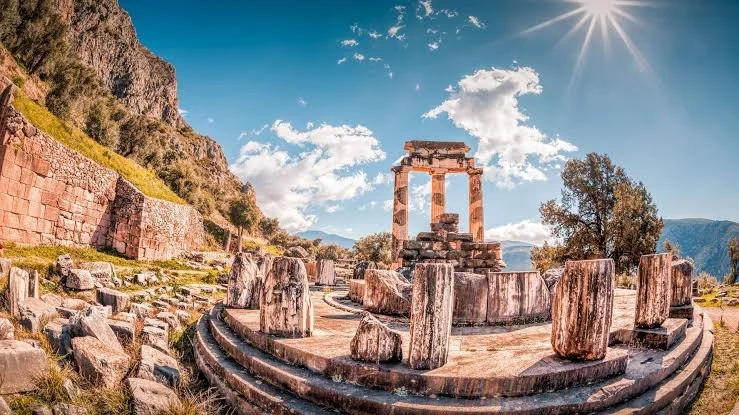
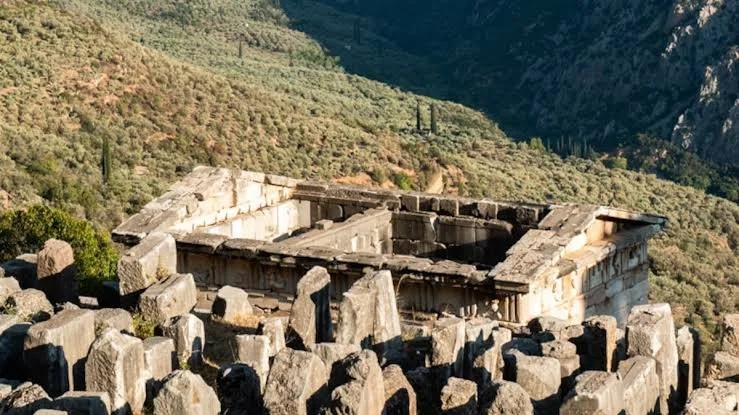
Delphi is best known for the sanctuary of Apollo and the oracle that attracted visitors from across the ancient Greek world. Its archaeological remains include temples, treasuries, monuments, and the Sacred Way, which guided visitors through the sanctuary.
Yet ancient sanctuaries did not exist in isolation. Roads, agricultural areas, residences, workshops, and other buildings supported the people who lived in or traveled through the surrounding region.
The idea of Roman villas buried beneath peripheral trails near Delphi is plausible as a research question, but the existence of specific villas at those locations requires confirmation. The documented history of Delphi includes later periods of occupation, and the site's official excavation history describes substantial remains uncovered during the major excavation that began in 1892. <Cite refs={["turn293243search7","turn293243search11"]} />
What Was a Roman Villa?
The term villa can describe a range of Roman-period rural residences and estates. Some combined living quarters with agricultural production, storage facilities, workshops, baths, and courtyards. Others were smaller buildings whose function depended on local circumstances.
Architectural features can include tiled roofs, paved floors, water installations, mosaics, and heating systems. Not every large Roman building was a villa, and researchers must distinguish residences from public, industrial, or religious structures.
The term should therefore be used only when the evidence supports that interpretation.
Delphi After the Classical Period
Delphi continued to experience changes after its most famous period of religious activity. Roman involvement in Greece altered political relationships, economic conditions, and aspects of urban life, while the sanctuary itself underwent changes over time.
Evidence of Roman activity in the wider area does not automatically establish villas beneath modern hiking trails. A suspected building would need to be located and dated through archaeological survey or excavation.
Researchers might use aerial photographs, topographic mapping, ground-penetrating radar, and other geophysical methods to identify buried walls without immediately disturbing the soil.
Finding Buildings Beneath the Landscape
A geophysical anomaly can indicate a buried structure, but its interpretation requires care. Natural rock boundaries, agricultural features, and later construction can produce patterns that resemble walls.
Excavation, where authorized, can reveal construction methods, floors, pottery, coins, and other evidence needed to establish a building's date and function.
A villa's layout may also help researchers understand the relationship between the sanctuary and the surrounding countryside. Its location could indicate access to roads, water sources, or productive land.
Protecting a Layered Archaeological Site
Delphi is a significant heritage landscape in which archaeological remains, natural terrain, and modern visitor routes overlap. Any investigation near existing trails must account for site protection, visitor safety, and the risk of damaging unrecorded features.
A suspected villa should be documented through the appropriate archaeological authorities rather than explored through unauthorized digging.
The Settlement Beyond the Sanctuary
The proposed villas remain unverified as a specific discovery. Nevertheless, studying Roman-era buildings beyond Delphi's central sanctuary could broaden understanding of how the surrounding region functioned during later antiquity.
The important question is how sacred centers related to the people, homes, roads, and economic activities that sustained them. Answering it requires carefully documented evidence from the wider landscape.