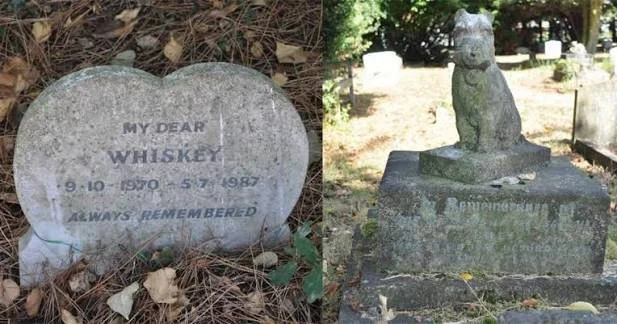
The burial of animals can reveal complex relationships between humans and the creatures that shared their homes, settlements, and daily lives. Archaeological discoveries of animal remains placed carefully in graves or dedicated burial areas have encouraged researchers to investigate whether some animals were treated as companions rather than simply as sources of food, labor, or raw materials. The idea of an ancient pet cemetery is particularly interesting because it raises questions about affection, mourning, social identity, and the place of animals within human communities. However, identifying a genuine pet cemetery requires more than finding several animal skeletons in the same location. Researchers must examine how the animals were buried, their relationship to nearby human remains, and the wider cultural context of the site.
Animals have played many different roles throughout human history. Dogs may have assisted with hunting, guarding, herding, and transportation, while cats could have helped control pests or lived around human settlements for other reasons. Other animals, including birds, monkeys, and various domesticated species, sometimes occupied positions within households that went beyond practical work. The boundaries between working animal, companion, and symbol were not necessarily fixed. An animal could provide an important service while also becoming familiar to the people who cared for it. Archaeologists therefore need to avoid assuming that an animal's practical usefulness excludes the possibility of emotional attachment.
A dedicated animal burial area may offer evidence of how a community regarded certain animals. The repeated placement of bodies in a defined location could indicate that the deaths were treated differently from ordinary disposal. Carefully arranged skeletons, evidence of deliberate grave preparation, and repeated burial practices may suggest that the animals received some form of special treatment. Yet a concentration of animal bones does not automatically represent a cemetery. The remains could come from food disposal, ritual deposits, animal processing, disease-related mortality, or a place where carcasses were discarded. The distinction depends on the arrangement of the remains and the evidence surrounding them.
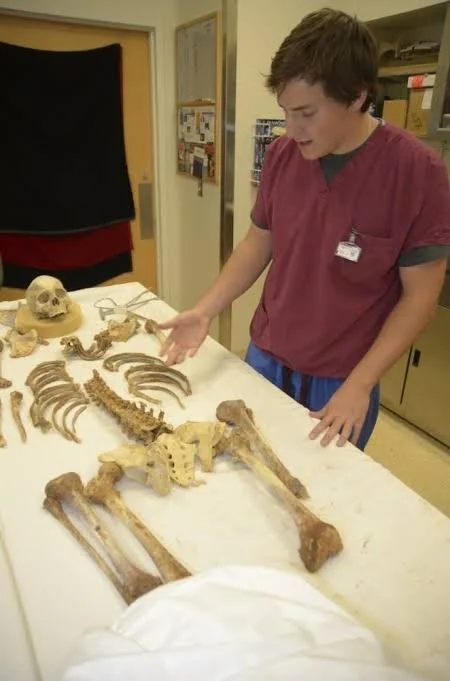
The position of an animal's body can be particularly informative. A skeleton found in a natural anatomical arrangement may indicate that the body was buried before substantial decomposition or disturbance occurred. A body placed in a prepared pit, covered with sediment, or positioned in a consistent orientation may provide additional evidence of deliberate burial. However, natural processes can also preserve articulated skeletons, especially in conditions that limit scavenging or movement. Archaeologists must examine the sediment, the condition of the bones, and the structure of the burial before concluding that a deliberate act took place.
The relationship between animal and human burials can help researchers investigate social meaning. Some animals were buried close to people, while others were placed in separate locations. In certain contexts, an animal may have been buried with a person, potentially reflecting companionship, symbolic association, or a funerary tradition. Such associations must be interpreted cautiously. An animal buried near a human grave may have died at a different time, and later disturbance can bring unrelated remains into close proximity. Stratigraphic evidence and direct dating may be necessary to determine whether the burials were contemporary.
Age and health can contribute to the interpretation of animal burials. Skeletal analysis may reveal whether an animal died young, reached old age, or experienced injuries and diseases during life. Evidence of healed fractures or long-term joint damage can show that an animal survived conditions that might have limited its movement. In some cases, such survival may indicate that people continued caring for the animal despite its reduced usefulness. Nevertheless, a healed injury does not prove affection on its own. Animals may have received care because they were valuable working partners, breeding animals, or important to the household economy.
The treatment of the body after death can also provide clues. Some burials may include objects placed near the animal, such as pottery, ornaments, food remains, or items associated with human funerary practices. These associations can suggest that the burial was more than routine disposal, but their meaning depends on context. Objects may have been included as offerings, used to mark the grave, or deposited through unrelated activities. Archaeologists must establish whether the objects were deliberately associated with the animal and avoid assigning symbolic meanings based solely on modern expectations about pets.
Differences in burial treatment may reflect social distinctions. Some animals may have received elaborate graves, while others were buried simply or disposed of without formal arrangements. Such differences could relate to an animal's role, its association with a particular household, its rarity, or its symbolic importance. They may also reflect variations in burial location and preservation rather than deliberate differences in status. A richly furnished animal burial is therefore not automatically evidence that the animal occupied a higher social position than other animals in the community.
The archaeological study of animal cemeteries also intersects with the history of domestication. Genetic analysis, skeletal morphology, and isotopic evidence can help researchers investigate an animal's ancestry, diet, and movement. These findings may reveal whether an animal was raised locally or brought from another region. If several animals in a burial area share distinctive characteristics, researchers might investigate whether they belonged to a particular breeding population or were associated with a specialized activity. However, biological evidence cannot independently establish whether an animal was regarded as a companion.
Comparisons across cultures are useful but must be handled carefully. The presence of animal cemeteries in different societies does not mean that all communities shared the same understanding of animals or death. Some burials may reflect religious beliefs, others may emphasize household relationships, and others may have served practical or commemorative purposes. Historical documents can provide insight into the meanings attached to animals in particular societies, but those interpretations should not automatically be applied to earlier periods or neighboring cultures.
Modern archaeological practice also requires attention to cultural heritage and ethical questions. Animal remains may hold significance for descendant communities, particularly when they are associated with sacred places or continuing traditions. Excavation and analysis should follow relevant professional standards, and researchers should avoid treating every unusual burial as a curiosity detached from its cultural context. Careful documentation is especially important because the arrangement of the skeleton, associated objects, and surrounding deposits may provide information that cannot be recovered once the burial has been disturbed.
Ancient pet cemeteries offer an opportunity to explore how people understood their relationships with animals and expressed those relationships through burial practices. The strongest interpretations combine skeletal analysis, burial structure, chronology, associated artifacts, and evidence from the surrounding settlement. These sources can help distinguish deliberate burial from ordinary disposal and identify patterns of special treatment without assuming that every buried animal was a beloved companion. Through this careful approach, animal burials can contribute to a broader understanding of affection, responsibility, status, and the varied roles animals occupied in human societies.