Introduction
Methana, a volcanic peninsula in the northeastern Peloponnese, forms part of the broader volcanic and geothermal region of the southern Aegean. Its landscape includes volcanic rocks, fractured geological formations, coastal springs, and evidence of past volcanic activity.
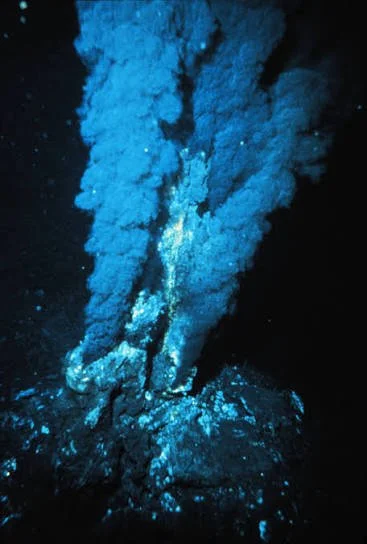
The word “vents” often brings to mind hot fluids or gases escaping directly from the seabed. Such submarine hydrothermal systems occur in various parts of the world, including volcanic regions. However, a geothermal spring on land, a warm-water discharge near the coast, and a deep-sea hydrothermal vent are not interchangeable features.
Methana has documented geothermal activity, including coastal thermal springs. Scientific studies describe how its geology and active faults influence the movement and chemical composition of groundwater. A claim about particular underwater vents off its coast should be supported by measurements at the specified location.
How Geothermal Systems Develop
Geothermal systems depend on the movement of heat from within the Earth into groundwater or surrounding rock. In volcanic regions, residual heat associated with magmatic activity can warm water circulating through fractures and permeable formations.
Rainwater may seep into the ground, travel downward through cracks, and become heated before returning toward the surface. Along the way, it can dissolve minerals and mix with other groundwater or seawater. Faults and fractures can act as pathways for fluid movement.
The resulting springs vary in temperature, acidity, salinity, and dissolved mineral content. These properties depend on the geological setting, depth of circulation, water-rock reactions, and the relative contributions of freshwater and seawater.
A geothermal spring does not necessarily mean that molten rock lies immediately beneath the surface. Heat can remain in the crust long after a volcanic eruption, and warm groundwater can circulate through rocks without any new eruption occurring.
Methana's Volcanic Geology
Methana is associated with the Hellenic volcanic arc, a region shaped by the subduction of the African plate beneath the broader Eurasian region. Its volcanic rocks include andesitic and dacitic formations produced during earlier volcanic activity.
The peninsula's geology also contains carbonate rocks and fault systems. These differences matter because groundwater moves differently through fractured volcanic rocks and through permeable limestone.
A recent scientific study of Methana's hydrogeology describes several coastal thermal springs and examines the role of tectonic structures in directing groundwater circulation. The study discusses both shallow and deeper groundwater systems, as well as the mixing of thermal fluids with other waters. <Cite refs={["turn800547search6"]} />
These findings provide a solid basis for discussing Methana's geothermal landscape. They do not, however, establish that a particular offshore vent field is present at every location along the peninsula.
Coastal Discharges and Marine Environments
Where warm groundwater enters the sea, it may create localized differences in temperature and water chemistry. The effect depends on the volume and temperature of the discharge, the surrounding seawater, and the strength of currents.
Geothermal fluids can contain dissolved minerals, including compounds of iron, manganese, and other elements. When these fluids mix with seawater, chemical reactions may cause minerals to precipitate or alter the availability of certain substances to marine organisms.
Some hydrothermal environments support specialized microbial communities. Yet such communities depend on the chemistry and energy sources available at the site. They should not be assumed to exist merely because water is warm.
To identify a genuine submarine hydrothermal vent, researchers may measure temperature gradients, examine gas emissions, sample water chemistry, and use underwater cameras or other survey equipment. Mapping the seabed can help determine whether a discharge emerges from a fracture, sediment layer, or volcanic structure.
Safety and Environmental Considerations
Geothermal water should not be assumed safe for drinking or bathing because it is naturally occurring. Temperature, dissolved gases, salinity, and chemical composition can create hazards. Unstable ground and concealed openings may also pose risks around some thermal features.
Marine researchers must consider the same issues underwater. Sudden changes in temperature or chemistry may be localized, and diving near unfamiliar discharges requires appropriate technical assessment.
Coastal geothermal systems can also be sensitive to groundwater extraction and land-use changes. Excessive pumping may alter water levels or affect the balance between freshwater and saline groundwater. Monitoring helps researchers understand whether the system is changing over time.
Conclusion
Methana's volcanic history and geothermal springs provide a well-supported example of how heat, faults, and groundwater interact along the Greek coast. The peninsula's thermal waters are scientifically interesting because their chemistry reflects the complex geology beneath the surface.
The specific title Geothermal Vents Off Methana Peninsula's Volcanic Coast should be understood as a topic for careful investigation, not proof of a mapped underwater vent field. Distinguishing coastal hot springs from submarine hydrothermal vents allows the region's real geological features to be described accurately while leaving room for further research.