Introduction
The Erinyes, commonly known in Roman tradition as the Furies, were among the most formidable supernatural beings in Greek mythology.
They represented divine retribution, particularly in relation to crimes involving bloodshed and violations of sacred or familial order.
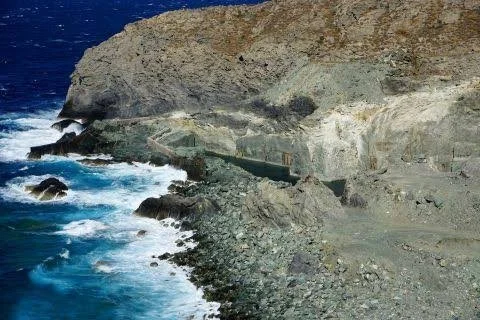
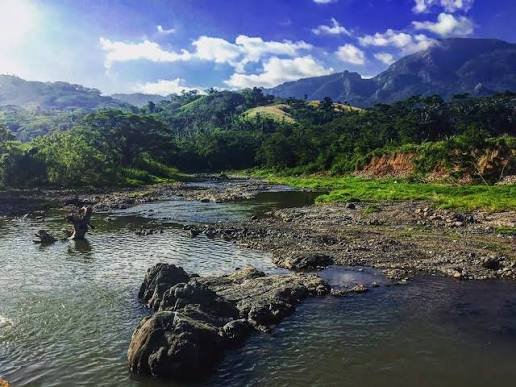
Mount Cithaeron, a mountainous region associated with several important myths, provides a fitting landscape for stories about these terrifying figures.
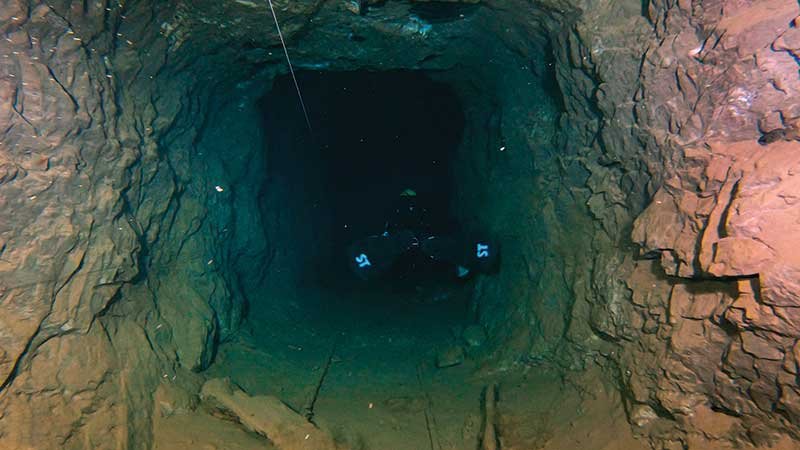
The title Hidden Erinyes Shrines in the Cithaeron Gorges suggests the existence of concealed sanctuaries dedicated to the Erinyes.
There is no established evidence confirming a specific hidden network of Erinyes shrines in the Cithaeron gorges.
However, the idea is consistent with a broader ancient Greek pattern in which caves, remote landscapes, and marginal spaces could become associated with powerful chthonic or supernatural beings.
Who Were the Erinyes?
The Erinyes were divine figures associated with vengeance and punishment.
They were particularly connected with crimes against family members.
Murder within a household could be considered more than an ordinary crime.
It could create a religious pollution that required purification and divine resolution.
The Erinyes embodied this dangerous moral force.
The Erinyes and the Underworld
The Erinyes occupy a complicated position between the worlds of the living and the dead.
They could pursue offenders during earthly life.
At the same time, their character was strongly associated with the chthonic realm.
This made them appropriate figures for places associated with death, burial, caves, and the earth.
Cithaeron in Greek Mythology
Mount Cithaeron is associated with several famous myths.
It appears in stories concerning Oedipus, Pentheus, Dionysus, and other figures.
Its forests and rugged terrain made it a natural setting for stories involving exile, transformation, violence, divine revelation, and ritual.
The mountain therefore possessed a powerful mythological identity.
Sacred Caves and Remote Sanctuaries
Greek religion included many sanctuaries outside major cities.
Some were located in isolated places.
Others were associated with springs, caves, mountains, forests, or unusual natural features.
Such locations could have special religious significance precisely because they were removed from ordinary urban life.
An underground or hidden shrine would therefore not be inherently impossible.
But possibility is not evidence.
What Archaeologists Would Look For
A genuine Erinyes sanctuary could potentially leave archaeological traces.
Researchers might discover:
inscriptions,
votive offerings,
pottery,
small figurines,
altars,
ritual deposits,
architectural remains,
or evidence of repeated visitation.
Even then, identifying the deity involved would require careful interpretation.
An altar in a cave cannot automatically be assigned to the Erinyes.
The Psychology of Retribution
The Erinyes represent a powerful ancient idea: wrongdoing can have consequences beyond human courts.
A murderer may escape political punishment but remain subject to divine justice.
This concept appears throughout Greek tragedy.
The Erinyes therefore function as more than monsters.
They embody the fear that moral disorder cannot remain hidden forever.
Conclusion
The Hidden Erinyes Shrines in the Cithaeron Gorges remain a speculative archaeological theme rather than a documented discovery.
Nevertheless, Cithaeron's mythological associations and the wider Greek tradition of remote sacred spaces make the concept culturally compelling.
Whether or not such a shrine ever existed, the Erinyes reveal how ancient Greeks transformed ideas about guilt, bloodshed, family, and justice into supernatural figures capable of pursuing offenders across the boundaries between human and divine worlds.