Introduction
The Apidima caves, located along the coast of the Mani Peninsula in the southern Peloponnese, are internationally significant archaeological and paleoanthropological sites. Their geological formations preserve evidence of ancient human presence and environmental change over long periods.
The possibility of Bronze Age larnakes associated with the Apidima caves raises questions about burial practices, funerary architecture, and the relationship between natural caves and prehistoric communities.
A larnax was a container used in certain ancient Aegean burial traditions, particularly during the Bronze Age. However, the specific presence of Bronze Age larnakes at Apidima requires archaeological verification. The caves' established importance in much earlier human history should not be confused with evidence for later funerary activity.
The Apidima Cave Complex
Apidima consists of caves formed in limestone along the Mani coastline.
The region's geological structure created natural cavities that developed through long-term processes involving water, erosion, and changes in sea level.
The caves became important archaeological locations because they preserved ancient deposits.
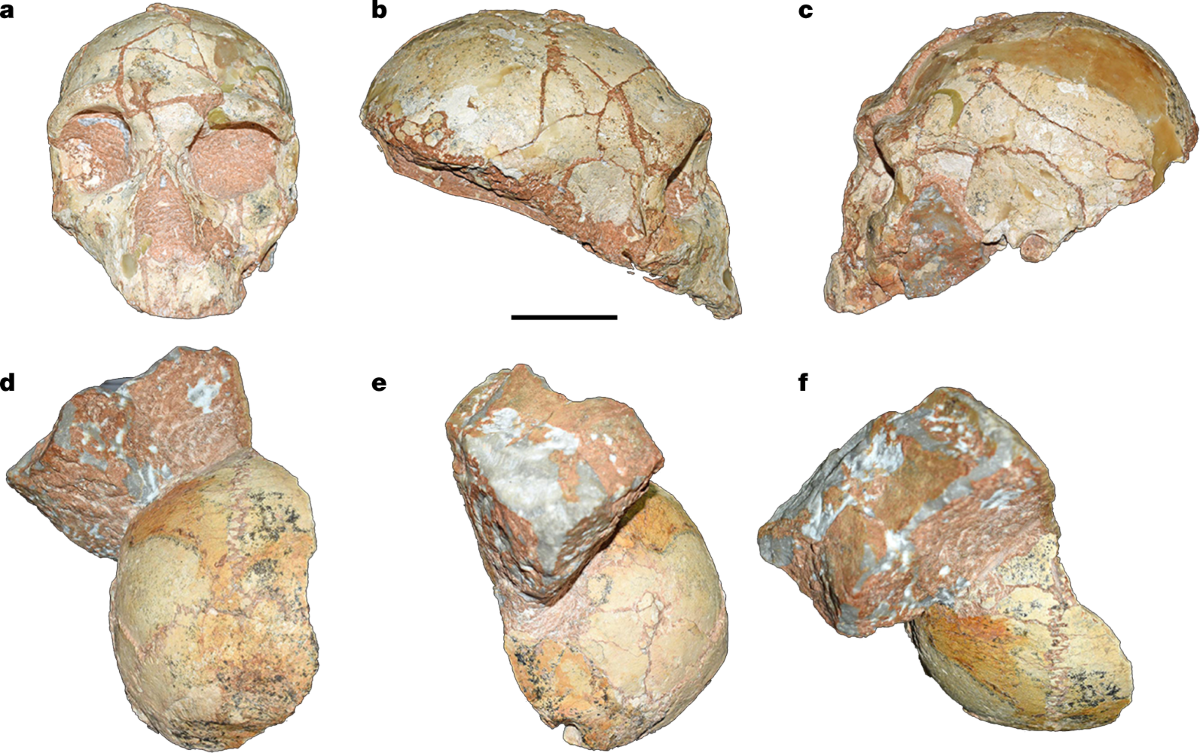
Research at Apidima has attracted international attention, particularly because of evidence relating to early human populations in Europe.
The site's significance extends far beyond any single archaeological period.
Understanding Larnakes
A larnax was a box-like container used for burial or the preservation of human remains.
During the Bronze Age, larnakes appeared in different forms across the Aegean world.
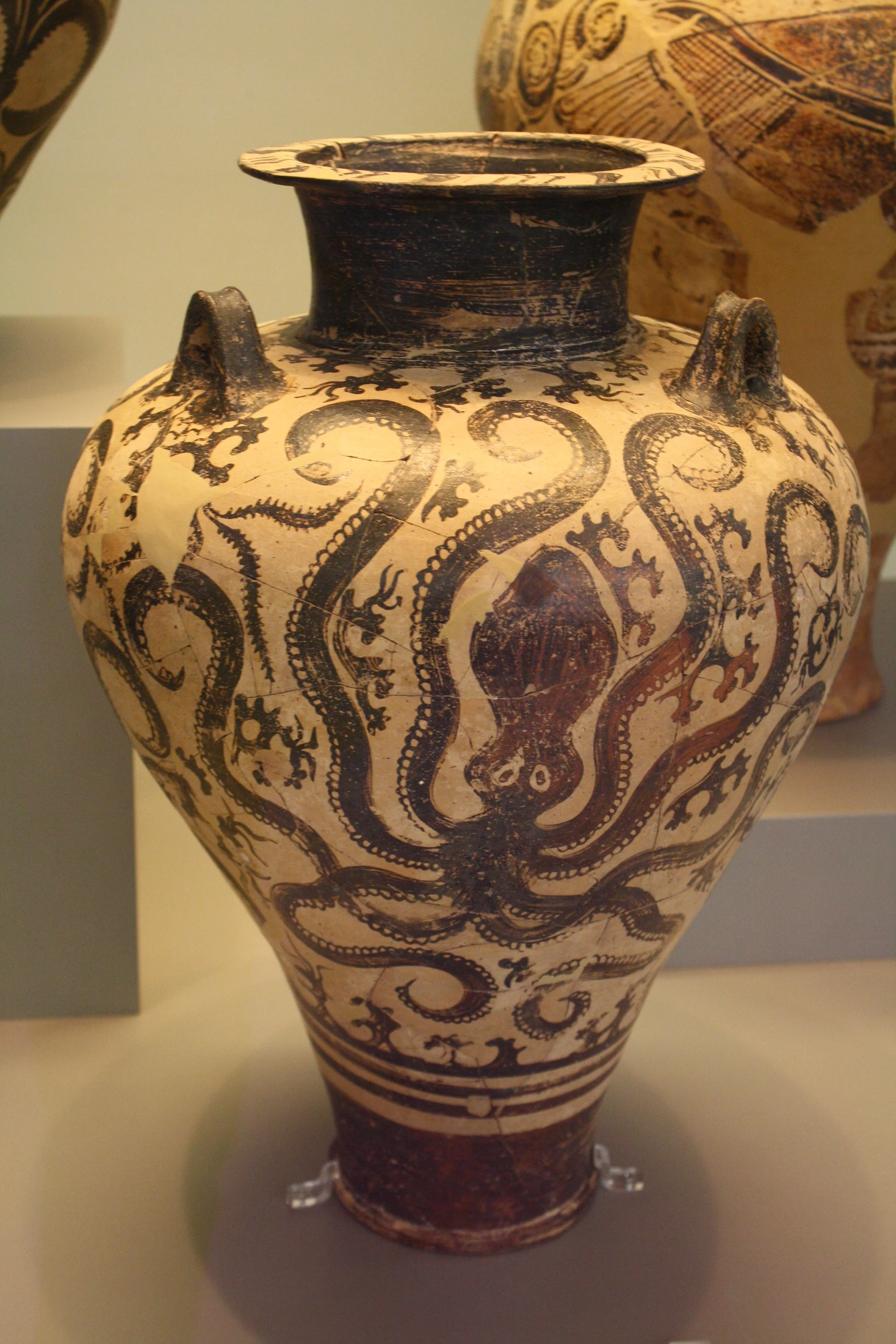
Some were made from clay, while others were constructed from stone or other materials.
They could be decorated with geometric patterns, painted motifs, or representations associated with funerary beliefs.
Their form and use varied between regions and periods.
Larnakes in Minoan and Mycenaean Traditions
Larnakes are particularly associated with Minoan and Mycenaean funerary practices.
In parts of Crete, terracotta larnakes were used as coffins and were sometimes decorated with elaborate painted designs.
Mycenaean burial traditions included several different forms of funerary containers and tombs.
The presence of a larnax could reflect particular regional customs, social status, or changes in burial practice.
It should not be assumed that every Bronze Age community used the same type of funerary container.
Natural Caves as Burial Places
Caves had varied roles in prehistoric societies.
They could serve as shelters, ritual locations, places of temporary occupation, or burial spaces.
Their darkness and unusual geological character may have contributed to symbolic associations.
However, not every cave with archaeological material was a sanctuary or cemetery.
Evidence such as human remains, grave goods, organized deposits, and burial structures is needed to establish funerary use.
The Chronological Challenge
Apidima is particularly famous for remains dating to periods far earlier than the Bronze Age.
This creates an important chronological distinction.
A cave may contain deposits from multiple periods, separated by long intervals.
Later visitors could have entered a cave that had already preserved much older remains.
Consequently, the presence of prehistoric material at Apidima does not establish continuous occupation or ritual use through the Bronze Age.
A proposed larnax would need to be dated independently.
Identifying a Larnax
Archaeologists distinguish larnakes from ordinary containers through their shape, construction, decoration, and context.
A ceramic larnax may have a rectangular or chest-like form, sometimes with a fitted lid.
Stone examples may contain carefully shaped interiors and evidence of deliberate preparation for burial.
The presence of human remains or funerary objects would strengthen the interpretation.
Fragments alone can be difficult to identify, especially when recovered from disturbed deposits.
Scientific Investigation
Scientific analysis could help establish the date and origin of a proposed larnax.
Ceramic fabric analysis may identify the clay source and manufacturing tradition.
Thermoluminescence dating can sometimes help determine when ceramic material was last fired.
Associated human remains, where preservation and ethical conditions permit, may be examined using radiocarbon dating and other techniques.
Stratigraphic analysis remains essential because an object's context is often as important as its material composition.
The Wider Mani Peninsula
The Mani Peninsula contains a rich archaeological landscape.
Its coastal position and mountainous interior supported settlement, movement, and contact with other parts of the Peloponnese.
Bronze Age communities across the southern Greek mainland participated in wider Aegean networks.
Burial practices could therefore reflect both local traditions and external influences.
Any proposed Apidima larnax would need to be compared with securely documented funerary material from the region.
Conservation of Cave Deposits
Cave environments can preserve archaeological material, but they are not automatically stable.
Changes in humidity, salt exposure, sediment movement, and human disturbance can damage fragile objects.
Excavation should proceed carefully, particularly where deposits contain material from multiple chronological periods.
Detailed recording, environmental monitoring, and conservation planning are essential.
Conclusion
Bronze Age larnakes associated with the Apidima caves would provide an important opportunity to investigate funerary practices in the southern Peloponnese.
Such evidence could help explain how communities used natural caves and how burial customs developed across the Bronze Age Aegean.
However, the specific claim of Bronze Age larnakes at Apidima requires secure archaeological documentation. The caves' well-known evidence for much earlier human activity must be kept separate from any proposed later funerary deposits.