Introduction
The Mycenaean civilization developed some of the most sophisticated palace societies of Bronze Age Greece. Its settlements contained monumental buildings, workshops, storage facilities, drainage systems, and carefully designed domestic spaces.
The possibility of Mycenaean bath tubs associated with a quarry in the Berbati Valley raises questions about water management, domestic comfort, stone production, and the relationship between settlements and nearby resources.
Berbati, located in the Argolid region of the northeastern Peloponnese, is important for understanding Mycenaean settlement patterns and craft production. However, the specific presence of bath tubs in a Berbati quarry requires archaeological confirmation.
The subject can be explored through known Mycenaean bathing practices, architectural features, and the archaeological importance of the surrounding landscape.
The Berbati Valley
The Berbati Valley lies in the northeastern Peloponnese, within a region closely connected to major Mycenaean centers such as Mycenae and Tiryns.
Its landscape contains hills, agricultural land, and natural resources that supported settlement and economic activity during antiquity.
Archaeological research in the valley has identified evidence of prehistoric occupation and craft production. The region is particularly relevant to studies of Mycenaean pottery manufacture and the organization of specialized workshops.
Its position within the Argolid made it part of a wider network of settlements connected through exchange, production, and political relationships.
Mycenaean Domestic Architecture
Mycenaean buildings varied considerably in size and function.
Palatial centers contained large administrative and ceremonial structures, while smaller settlements included houses, workshops, storage buildings, and agricultural facilities.
Domestic architecture often incorporated courtyards, hearths, storage areas, and drainage arrangements.
Water management was important because settlements needed reliable supplies for drinking, cooking, cleaning, and craft production.
Some buildings contained specialized spaces associated with bathing or washing, although the form and availability of such facilities varied by social status and period.
Bathing in the Mycenaean World
Bathing was an established part of life in the Bronze Age Aegean.
Archaeological evidence from Mycenaean palatial sites includes bathing facilities, water installations, and objects associated with personal hygiene.
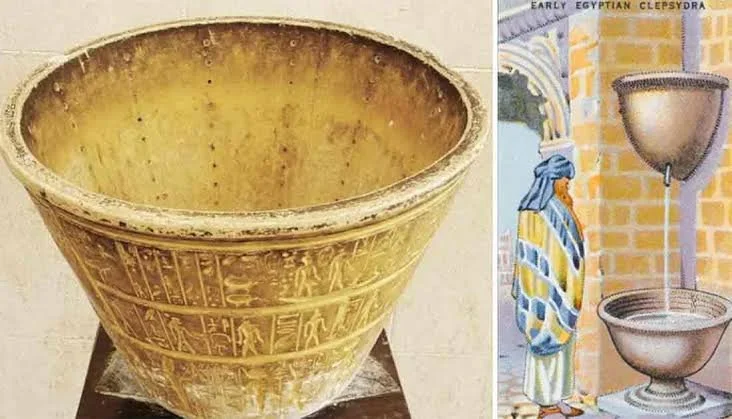
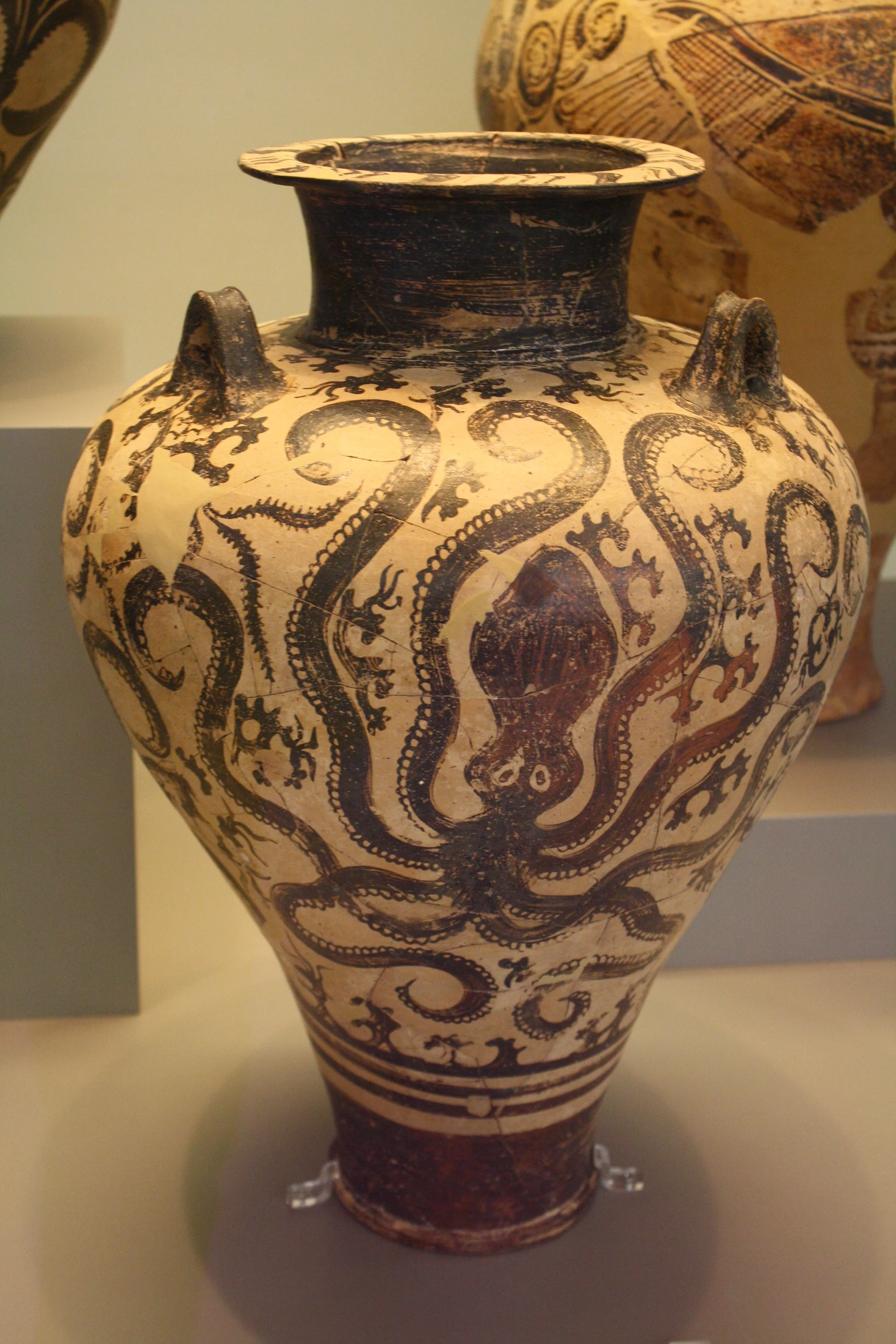
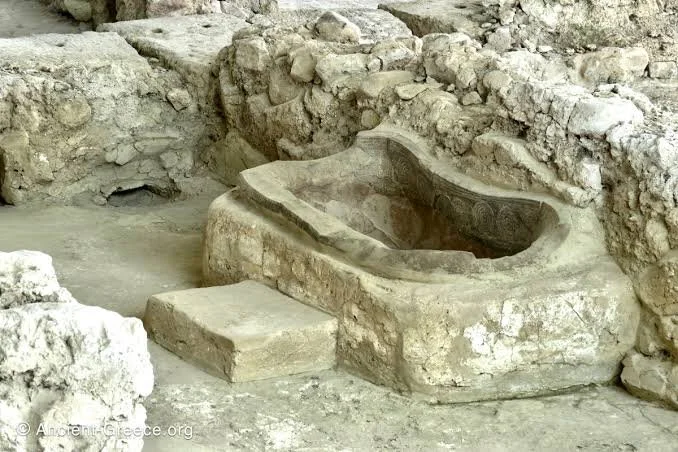
Large stone or terracotta tubs are known from Bronze Age contexts. These objects were generally designed for individual use and could be placed within rooms or specialized bathing spaces.
Their presence suggests that bathing could be incorporated into domestic and ceremonial life.
However, a tub should not automatically be interpreted as a bathtub. Large containers might also have been used for storage, processing, or other activities.
Materials and Construction
Mycenaean bathing installations could be made from different materials.
Stone offered durability, while terracotta vessels could be shaped and fired using established ceramic techniques.
Stone tubs required considerable labor. Craftspeople had to select suitable blocks, remove excess material, and shape the interior without causing structural cracks.
The choice of material depended on the object's intended use, local resources, and the wealth of the household or institution commissioning it.
A quarry environment could provide raw stone, but finished tubs would normally need to be transported to the buildings where they were used.
The Quarry Connection
The phrase Berbati quarry raises the possibility that stone objects associated with bathing were produced or abandoned near an extraction site.
Quarries were important economic spaces in the ancient world. They supplied building materials, architectural elements, and objects requiring specialized stoneworking.
A quarry could also contain unfinished products, discarded blocks, tool marks, and workshop debris.
If bath tubs were found in such a context, researchers would need to determine whether they were unfinished products, objects discarded during manufacture, or later material deposited at the site.
The distinction is important because a quarry find does not necessarily prove that bathing facilities existed within the quarry itself.
Identifying a Mycenaean Bath Tub
Archaeologists examine an object's shape, dimensions, surface treatment, and manufacturing marks before assigning it a function.
A possible tub might have a deep basin, carefully shaped interior, reinforced walls, or features designed to make it easier to enter and leave.
Evidence of water exposure could be useful, although prolonged contact with water is not by itself conclusive.
The archaeological context is equally important. An object found within a domestic building alongside other bathing equipment would have a stronger functional interpretation than an isolated basin recovered from disturbed soil.
Dating could be established through associated pottery, stratigraphy, and other securely dated materials.
Water Supply and Drainage
Bathing facilities required access to water and a method of removing used water.
Mycenaean settlements developed systems that included wells, cisterns, channels, and drainage installations.
The complexity of these systems varied between sites. Major palatial centers could support more elaborate hydraulic arrangements than smaller rural communities.
A bath tub in a building would therefore need to be studied in relation to nearby water sources, floor surfaces, drains, and architectural layout.
Such evidence could help distinguish a genuine bathing installation from a general-purpose container.
Craft Production and Regional Exchange
The Berbati Valley's archaeological significance is closely connected to production and exchange.
Craft specialists worked with locally available resources and materials transported from other parts of the region.
Stone objects, pottery, and architectural components could move between settlements through trade, redistribution, or direct commissions.
A Mycenaean tub produced near Berbati might therefore have been intended for a wealthy household or institutional building elsewhere in the Argolid.
Establishing such a connection would require material analysis and comparison with objects recovered from securely dated buildings.
Conservation and Future Research
Stone objects recovered from quarry environments may be affected by weathering, fractures, mineral deposits, and later disturbance.
Conservation specialists must document tool marks and surface details before cleaning or restoration.
Three-dimensional scanning can record the object's shape and reveal subtle manufacturing features. Geological analysis may also help identify the source of the stone.
Future research should combine excavation records, architectural studies, and scientific analysis rather than relying on the object's appearance alone.
Conclusion
The possibility of Mycenaean bath tubs associated with the Berbati quarry provides an interesting opportunity to examine Bronze Age bathing practices and regional craft production.
Known Mycenaean bathing facilities demonstrate that tubs and specialized water installations were part of the broader Aegean world. Berbati's position within the Argolid also makes it a valuable setting for investigating the movement of materials and skilled labor.
However, the specific identification of bath tubs in a Berbati quarry requires documented archaeological evidence. Establishing their date, function, and relationship to local production would help clarify whether they were unfinished stone products, discarded objects, or evidence of a wider Mycenaean bathing tradition.