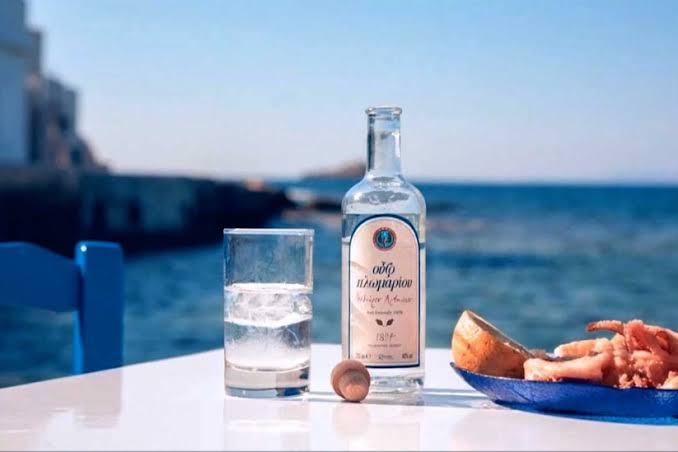
Lesbos is one of Greece’s most important centers of ouzo production. The island’s association with the anise-flavored spirit developed during the nineteenth century, when Mytilene and other commercial settlements became active centers of trade and production. By the late nineteenth century, the island had numerous distilleries, and the arrival of refugees from Asia Minor after 1922 further enriched local distilling knowledge.
Ιστορία Βορείου Αιγαίου+1
Traditional production involved copper stills, alcohol derived from agricultural products, anise, and other aromatic ingredients. Different distilleries developed their own recipes and production practices. These differences contributed to the distinctive character of local brands and helped establish ouzo as an important part of Lesbos’s cultural and economic identity.
The term “distillation secrets” refers to knowledge passed between generations of producers. Such knowledge may include ingredient selection, proportions, the management of copper equipment, the timing of distillation, and decisions about the final flavor. The precise recipes are often commercial or family knowledge, so they should not be assumed to be identical across producers.
The history of ouzo also reflects migration and exchange. Distilling knowledge brought by people from Constantinople, Odessa, and Asia Minor interacted with local agricultural resources and established commercial networks. Mytilene’s position within regional trade helped the industry grow.
Lesvos Geopark+1
Ouzo production is also regulated through geographical indications and technical standards. The modern industry therefore combines inherited craft knowledge with contemporary production and quality controls.
Visit Lesvos+1
The topic illustrates how a regional product can become a marker of identity. Ouzo is not simply a beverage; it is associated with hospitality, local cuisine, family businesses, and the history of Lesbos.