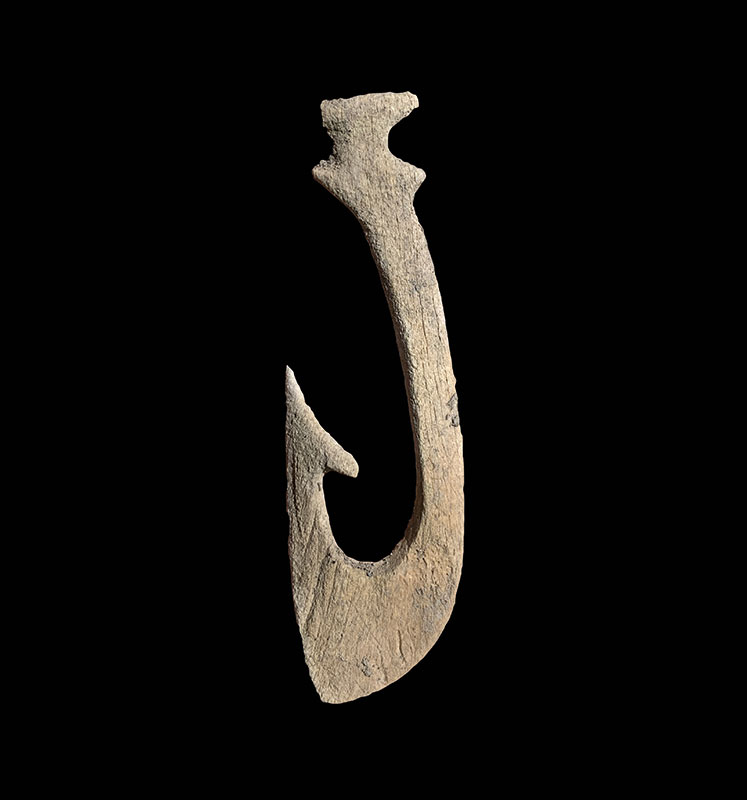
Introduction and Historical Background
Fishing was an important source of food for prehistoric communities, particularly those living near rivers, lakes, and coastal environments. The development of fishing equipment reflects human adaptation to aquatic resources and the gradual specialization of subsistence activities.
Samothrace, located in the northern Aegean, has a varied coastline and a mountainous interior. Its geographical position made marine resources accessible to prehistoric communities, while its surrounding waters provided opportunities for fishing and maritime movement.
The proposed study of Neolithic fish hooks from Samothrace beaches focuses on prehistoric fishing technology, coastal settlement, and the exploitation of marine resources. However, the identification of specific Neolithic hooks from the island requires confirmation through excavation reports and archaeological collections. Objects found on beaches may have been moved from their original contexts by waves, erosion, or later human activity.
Fishing in Neolithic Communities
The Neolithic period witnessed major changes in settlement and subsistence. Agriculture and animal husbandry became increasingly important, but fishing and other forms of food gathering remained significant.
Coastal communities could exploit fish, shellfish, and other marine resources. Fishing supplemented agricultural production and provided access to food that was not dependent on cultivated crops.
Evidence of prehistoric fishing may include fish bones, hooks, net weights, harpoons, shell remains, and other equipment. These materials can help reconstruct the range of aquatic resources used by communities.
Materials Used for Fish Hooks
Prehistoric fish hooks were manufactured from materials available in the surrounding environment. These could include bone, antler, shell, wood, and occasionally metal in later periods.
Bone and antler were particularly useful because they could be shaped into durable tools. The manufacturing process involved cutting, scraping, grinding, and polishing the material to produce a functional hook.
The size and shape of a hook could vary according to the type of fish targeted and the fishing method employed.
Hook Design and Fishing Techniques
A fish hook generally required a curved body and a point designed to retain the fish after it took the bait. Some forms included a barb, while others relied on their curvature and the tension of the fishing line.
The presence of a barb could improve the ability of a hook to retain a fish, although the effectiveness of different designs depended on the target species and method of use.
Hooks could be attached to lines made from plant fibers, animal materials, or other available resources. Fishing could take place from the shore, from small boats, or in shallow coastal waters.
Samothrace and Coastal Resource Use
Samothrace's coastal environment provided access to marine resources, while its inland landscape offered other opportunities for hunting, gathering, and agriculture.
The study of prehistoric fishing should consider the relationship between coastal settlements and the availability of different fish species. Fish remains recovered from archaeological sites can provide information about dietary practices and seasonal activity.
Beach finds require particular caution because they may not remain in their original depositional positions. Researchers must establish whether an object came from a prehistoric settlement, a burial, a submerged context, or a later deposit.
Archaeological and Scientific Methods
Bone and antler hooks can be examined through microscopic analysis to identify manufacturing marks and use-wear. Such examination may help distinguish intentional shaping from natural breakage.
Radiocarbon dating may be possible if sufficient suitable organic material survives, although direct dating of small artifacts can be difficult and may require destructive sampling.
Zooarchaeological analysis of associated fish remains can provide information about the species exploited and the fishing practices used by prehistoric communities.
Social and Economic Significance
Fishing equipment reflects more than subsistence. It can reveal technological knowledge, seasonal planning, specialization, and the organization of labor.
A community that regularly used specialized hooks may have developed detailed knowledge of fish behavior, coastal conditions, and appropriate materials.
The study of fishing equipment from Samothrace could therefore contribute to a broader understanding of how Neolithic communities combined agricultural and marine resources.
Conclusion
The proposed study of Neolithic fish hooks from Samothrace beaches offers an opportunity to examine prehistoric fishing technology and the relationship between island communities and marine environments.
The interpretation of any individual hook requires secure dating, material identification, and examination of its original context. Combined with fish remains and settlement evidence, such objects could help reconstruct the importance of fishing in Neolithic life.