Introduction and Historical Background
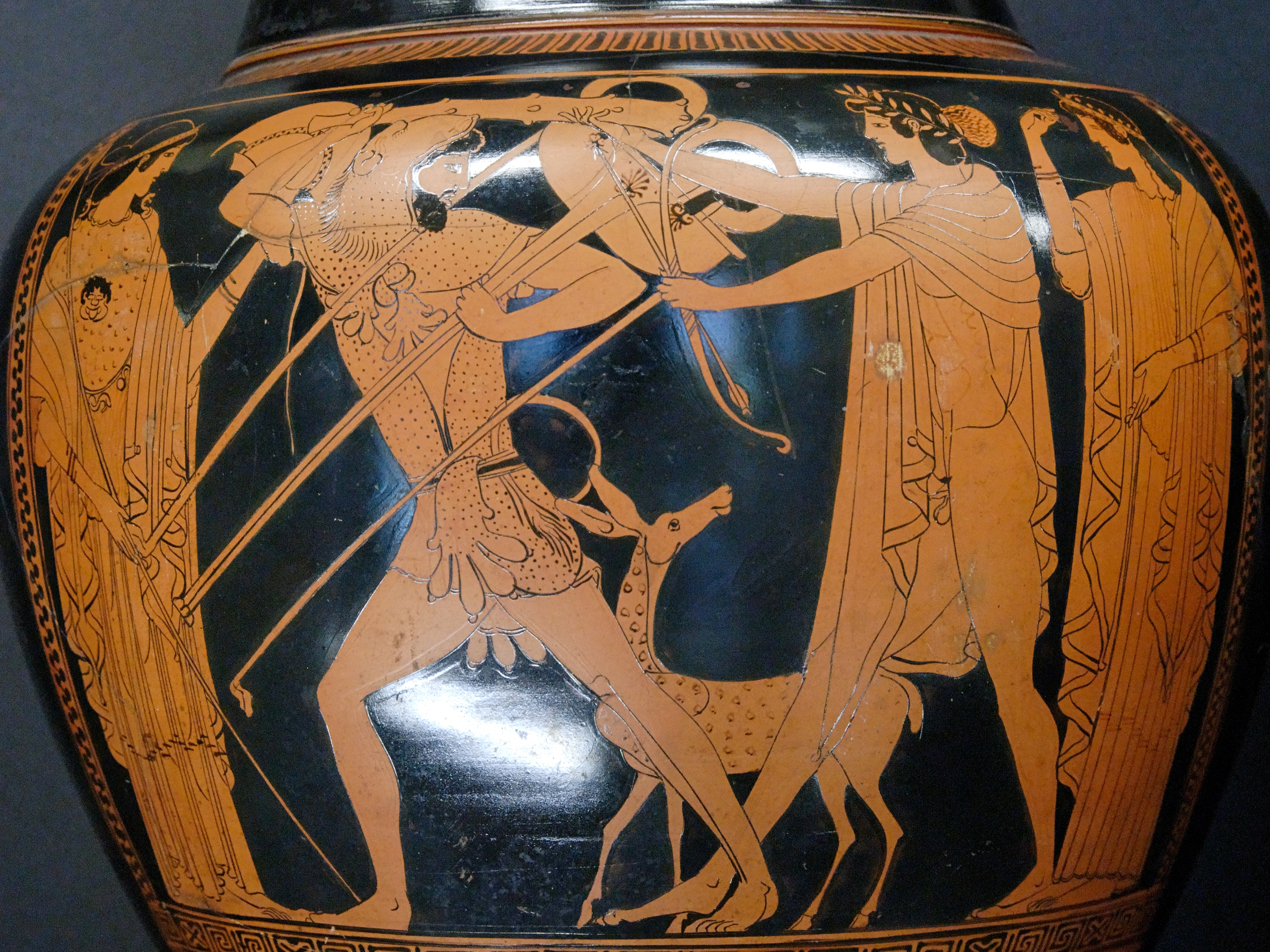
Votive objects were important elements of religious life in the ancient Greek world. Individuals and communities dedicated objects to deities as expressions of gratitude, requests for protection, or acts of devotion.
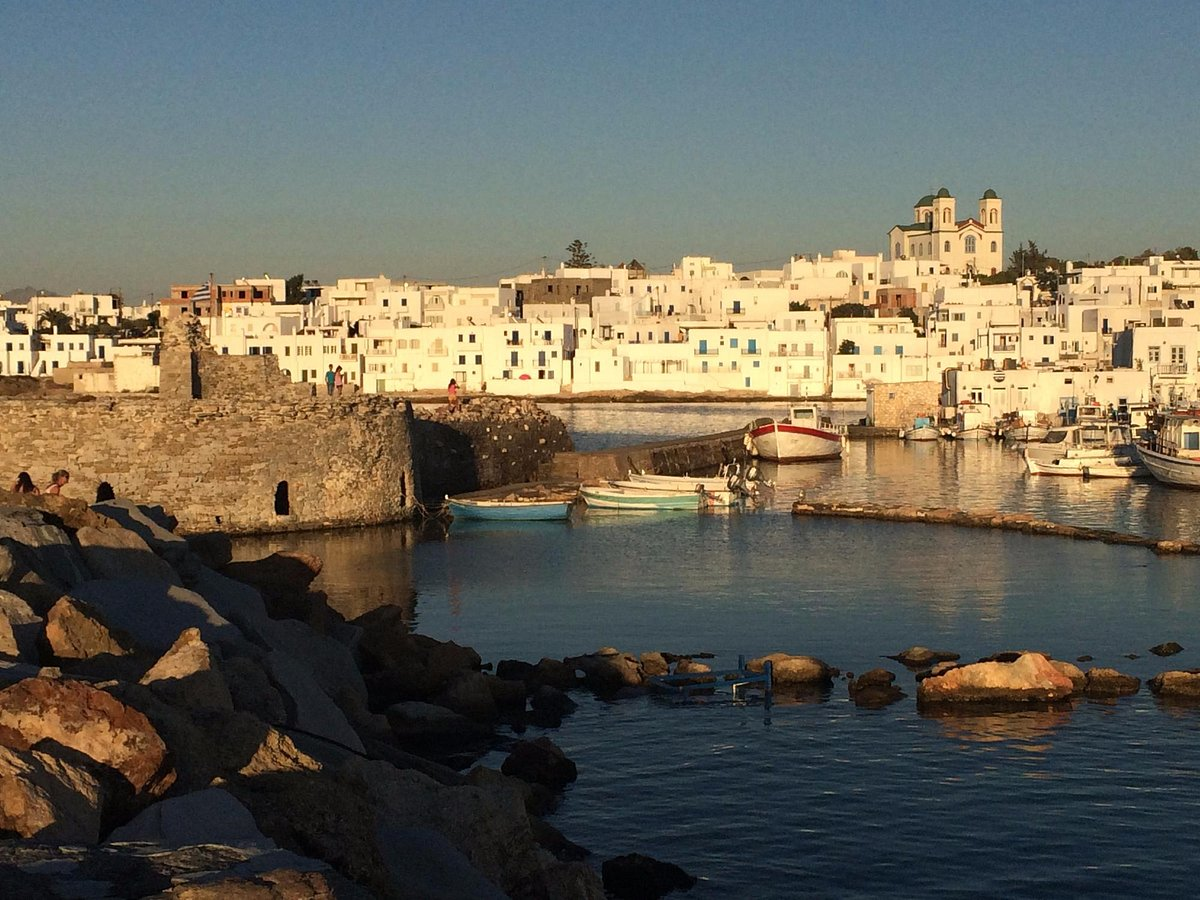
Tilos is an island in the southeastern Aegean, within the Dodecanese group. Its landscape includes coastal areas, elevated terrain, and cliffs that may have influenced the location of settlements and religious activity.
The proposed study of Hellenistic votive plaques on Tilos cliffs offers a framework for examining religious dedication, island cult practices, and the relationship between sacred places and natural landscapes. The existence of specific plaques on the island's cliffs must, however, be established through archaeological documentation.
Votive Practices in the Hellenistic World
The Hellenistic period was characterized by political change, expanding cultural interaction, and the development of diverse religious practices.
Votive offerings could include figurines, plaques, pottery, coins, weapons, jewelry, inscriptions, and other objects. Their value varied according to the donor's resources and the nature of the dedication.
Some offerings were highly elaborate, while others were inexpensive objects that represented personal devotion.
Votive Plaques and Their Forms
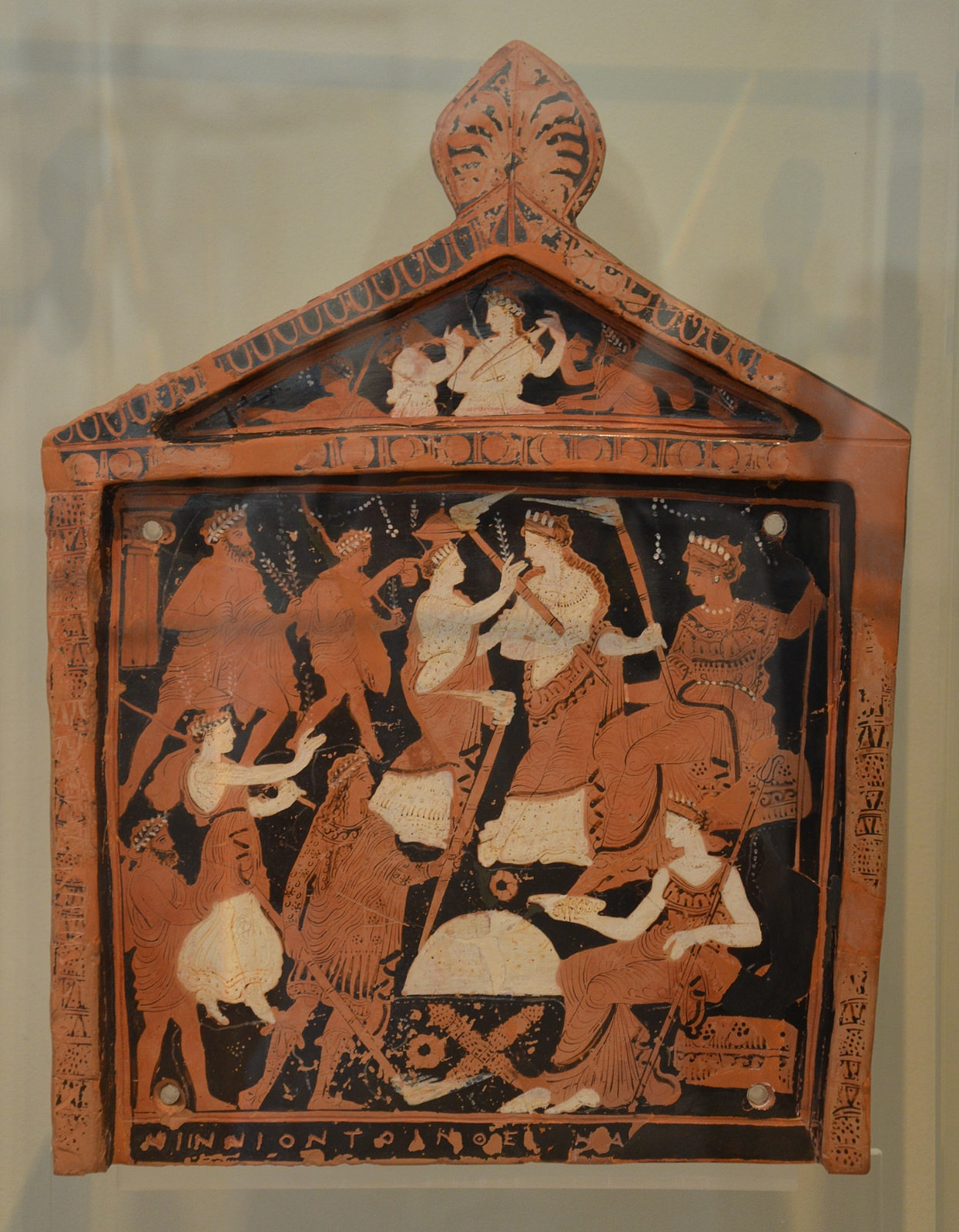
A votive plaque is generally a flat object bearing an image, inscription, or symbolic design. It may be made from terracotta, stone, metal, or another material.
Plaques could depict deities, worshippers, animals, mythological scenes, or religious symbols. Some included inscriptions naming the deity or donor.
The imagery and inscriptions can provide information about the religious practices and identities of the communities that dedicated them.
Sacred Landscapes and Cliff Locations
Religious activity in the ancient Greek world was not restricted to monumental temples. Sacred places could include caves, springs, mountains, groves, and other natural features.
Elevated locations may have been selected because of their visibility, isolation, or perceived religious significance. Cliffs could also provide access to caves, ledges, or natural formations used for offerings.
Nevertheless, the discovery of a plaque on a cliff does not automatically establish that the location was a sanctuary. Researchers must investigate the presence of repeated offerings, architectural features, inscriptions, and associated materials.
Religious Identity and Island Communities
Island communities often maintained local religious traditions while participating in wider Greek religious culture.
A votive plaque dedicated on Tilos could reflect local worship, external influence, or the movement of people between islands. The identification of the deity and the intended function of the object would be important for understanding its cultural significance.
Comparisons with Hellenistic votive material from Rhodes, Kos, and other Dodecanese islands could help identify regional similarities and differences.
Archaeological Methods
The study of plaques should begin with documentation of their material, dimensions, inscriptions, iconography, and condition.
Epigraphic analysis may identify names, dedications, and religious formulas. Ceramic analysis may help determine the composition and production location of terracotta plaques.
Cliff environments present particular conservation challenges. Weathering, salt exposure, vegetation, and erosion can damage exposed objects and archaeological deposits.
Conclusion
The proposed study of Hellenistic votive plaques on Tilos cliffs offers an opportunity to investigate religious practice and sacred landscapes in the southeastern Aegean.
The interpretation of these objects depends on confirming their date, material, original location, and relationship with a religious context. Such evidence could contribute to understanding how island communities expressed religious identity during the Hellenistic period.