Introduction and Historical Background
Maritime archaeology examines the relationship between human societies and the sea through the study of shipwrecks, harbors, anchors, cargoes, coastal settlements, and submerged landscapes. Anchors are particularly useful because they provide evidence of navigation, vessel technology, and maritime activity.
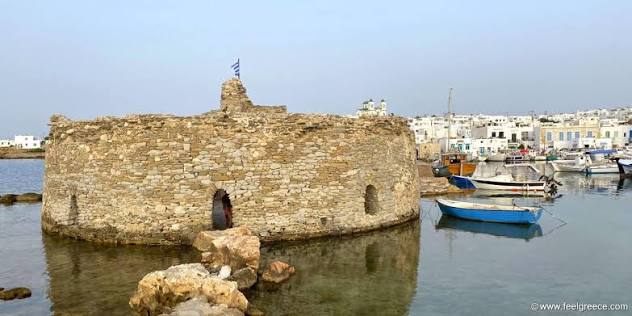
Chios is an island in the eastern Aegean Sea with a long history of maritime connections. Its position near the coast of Asia Minor placed it along routes connecting the Aegean islands, mainland Greece, and the eastern Mediterranean.
The proposed study of submerged Geometric anchors off Chios reefs offers an opportunity to investigate early maritime technology and navigation during the Geometric period, conventionally dated approximately from 900 to 700 BCE. However, the dating and identification of any submerged anchors must be established through archaeological examination rather than their general shape alone.
Maritime Activity During the Geometric Period
The Geometric period was an important stage in the development of ancient Greek communities. Settlements expanded, artistic production changed, and contact between different regions increased.
Maritime transportation supported the movement of people, pottery, metals, agricultural products, and other goods. Islands such as Chios were positioned within a network of sea routes that connected communities across the Aegean.
The extent and organization of maritime activity varied over time. Researchers use shipwrecks, harbor remains, imported pottery, and other archaeological evidence to reconstruct patterns of navigation and exchange.
Ancient Anchor Types
Ancient anchors developed in different forms according to the technology and materials available. Early anchors could consist of heavy stones with openings for ropes, while later forms incorporated wooden components and metal elements.
Stone anchors were particularly important in early maritime contexts. Their weight helped hold vessels in position, while openings or grooves allowed ropes or other attachments to be secured.
Some anchors were made from a single stone, while others may have used combinations of stone, wood, and metal. The classification of an anchor requires attention to its shape, construction, material, and evidence of use.
Geometric Decoration and Identification
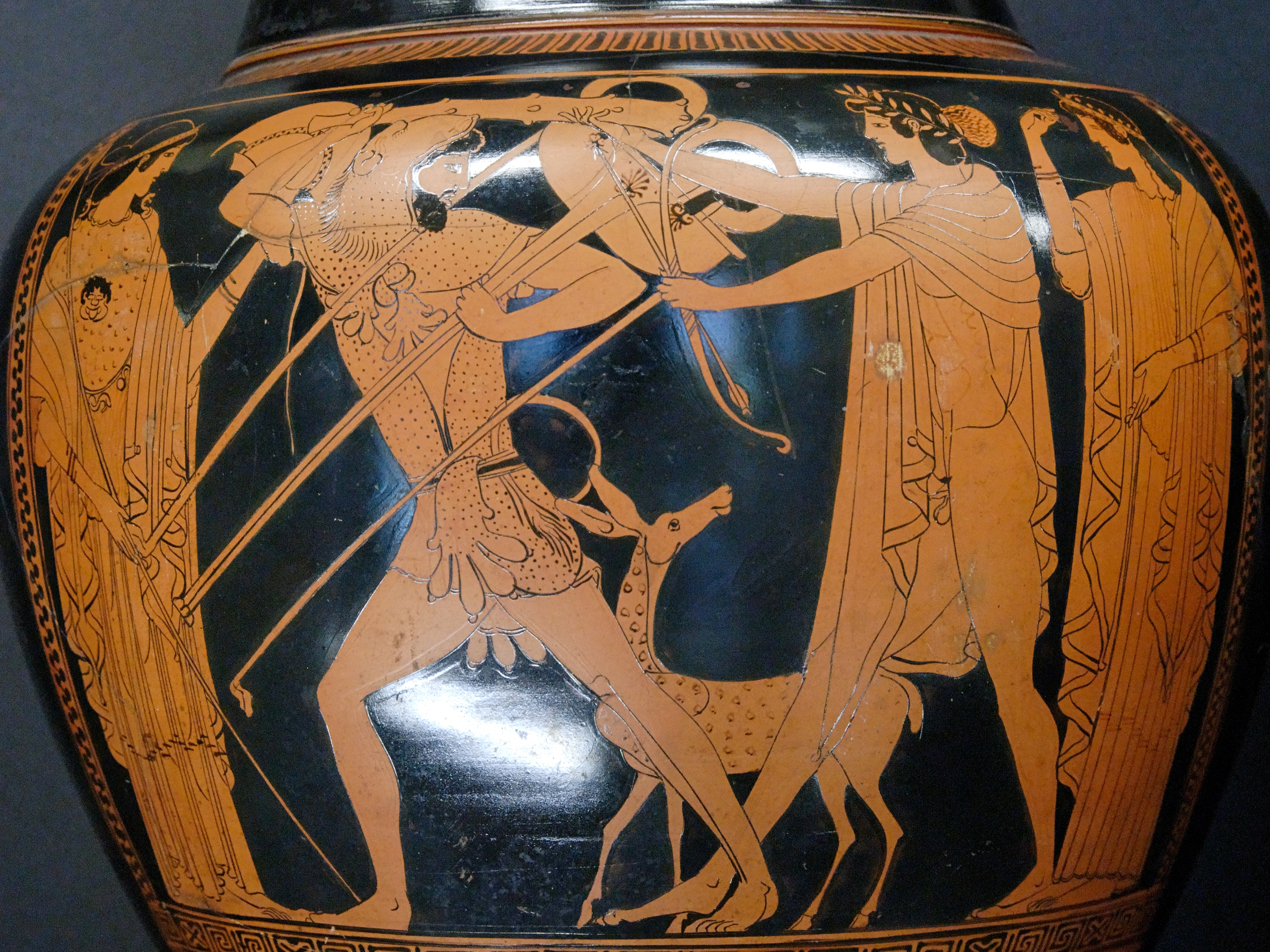
The term Geometric may refer to the archaeological period or to the decoration and form of an object. These meanings should not be confused.
A stone anchor with geometric-looking features is not necessarily a Geometric-period artifact. Its date must be established through archaeological context, associated materials, manufacturing evidence, or other reliable chronological indicators.
If an anchor carries deliberately carved geometric patterns, these may provide information about decoration, ownership, or practical marking. However, natural fractures, erosion, and later modifications can resemble intentional designs.
Reefs and Underwater Deposition
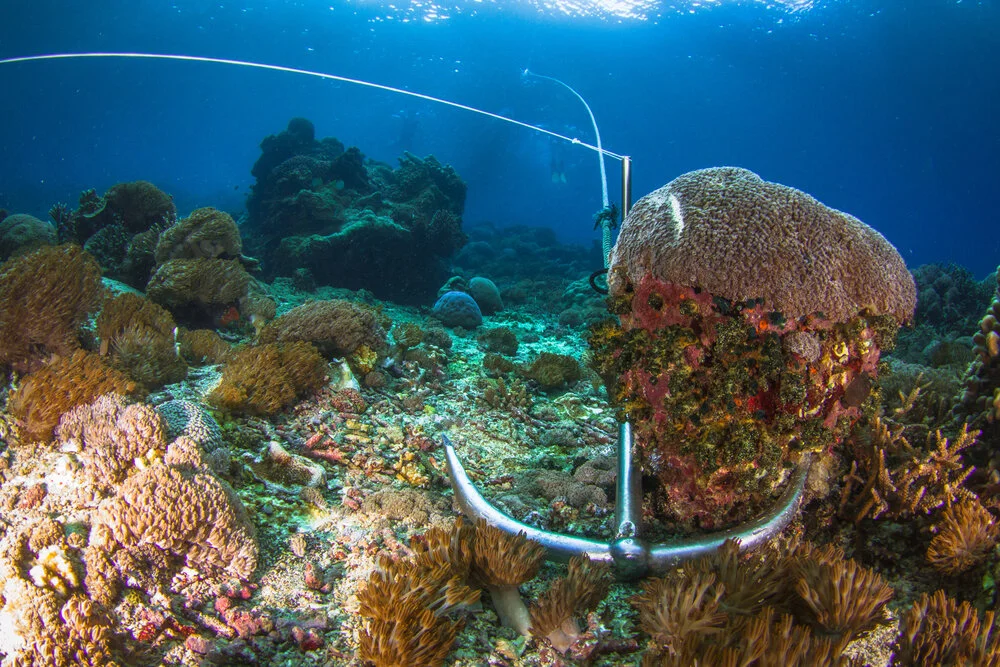
Reefs and rocky seabeds can influence maritime movement. They may create hazards for vessels, but they can also provide sheltered areas where boats could temporarily anchor.
An anchor found near a reef may have been lost during a storm, abandoned after damage, or deposited through other maritime activity. It may also have been moved by underwater currents or later human intervention.
The recovery context is therefore important. Archaeologists must record the anchor's position, depth, orientation, seabed conditions, and relationship to nearby archaeological materials.
Underwater Archaeological Methods
Underwater research may involve diver surveys, remote sensing, side-scan sonar, photogrammetry, and the use of remotely operated vehicles.
Photogrammetry can create detailed three-dimensional records of submerged objects and their surrounding environment. This documentation is particularly valuable when objects are too fragile or important to remove from their original position.
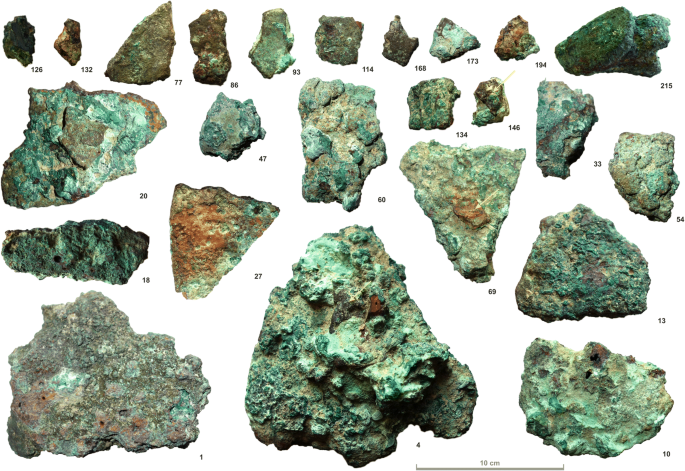
The material composition of stone anchors can be compared with geological sources on Chios and nearby islands. Such comparisons may help investigate where the raw material was obtained, although geological similarities do not always identify a unique source.
Navigation and Maritime Exchange
Anchor finds can contribute to research on ancient navigation, but they should not be interpreted as direct evidence of a particular trade route without additional support.
The distribution of anchors may reveal areas of repeated maritime activity, temporary stopping points, or possible anchorage zones. When combined with pottery, shipwreck evidence, and harbor remains, they can help reconstruct patterns of movement across the Aegean.
Conclusion
The proposed study of submerged Geometric anchors off Chios reefs provides a framework for investigating early Aegean navigation, anchor technology, and maritime interaction.
The most important research tasks are the secure dating of the anchors, the documentation of their underwater contexts, and the examination of their construction materials. These steps are necessary before assigning them to the Geometric period or linking them to particular maritime routes.