A Monster, A Victim, A Symbol
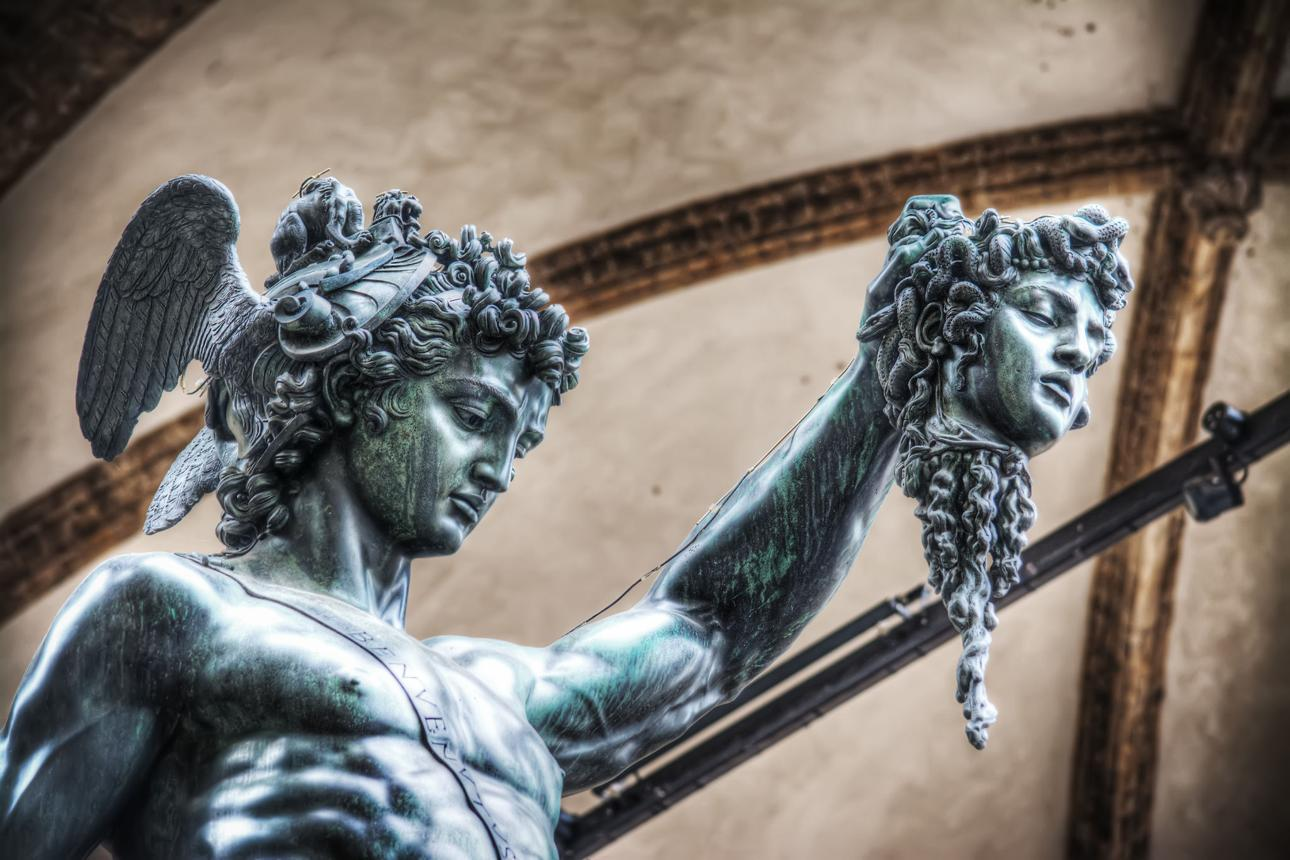
The myth of Perseus and Medusa stands at the intersection of horror, beauty, and divine injustice within Greek mythology. Unlike many monsters in myth, Medusa’s story is layered with ambiguity—raising questions about victimhood, punishment, and power.
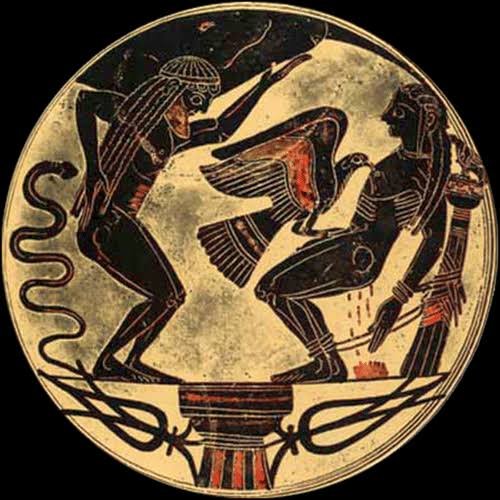
In early Greek traditions, Medusa was always a monstrous being—one of the three Gorgons, alongside Stheno and Euryale. However, later Roman interpretations, especially those of Ovid, reshaped her into a tragic figure. According to this version, Medusa was once a beautiful priestess of Athena. After an encounter with Poseidon in Athena’s temple, she was transformed into a Gorgon.
Scholars debate whether this transformation represents punishment, protection, or symbolic silencing. Her petrifying gaze can be interpreted as:
A defense mechanism against male aggression
A metaphor for the power of the “forbidden gaze”
A representation of societal fear toward female autonomy
The Hero’s Quest and Divine Intervention
Perseus’s mission to kill Medusa was not random—it was politically motivated. King Polydectes sent him on the quest as a near-impossible task, hoping to remove him.
To succeed, Perseus required divine tools:
A mirrored shield from Athena
Winged sandals from Hermes
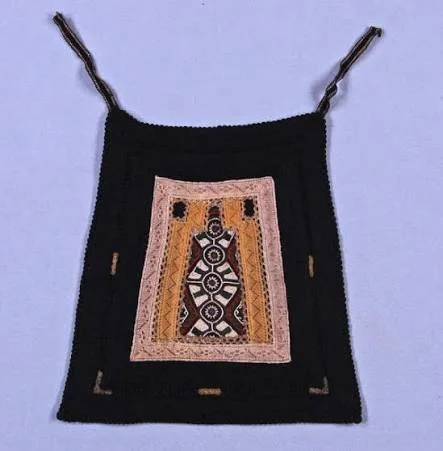
A kibisis (magical bag) to contain the head
The helm of invisibility from Hades
His strategy—never looking directly at Medusa—represents a recurring Greek theme: intellect surpasses brute force.
Aftermath and Cultural Legacy
Medusa’s severed head retained its power and became a weapon used by Perseus in later adventures. Eventually, it was placed on Athena’s shield, the aegis, symbolizing divine authority.
In modern interpretations, Medusa has been reclaimed as:
A feminist icon
A symbol of trauma and survival
A critique of victim-blaming narratives
Her story continues to evolve, reflecting changing cultural values.