He Outsmarted Monsters and Defied the Gods—But Couldn’t Escape Fate: The Epic Journey of Odysseus Explained
Introduction: The Longest Journey Home in Myth
Among the greatest narratives in Greek mythology, the story of Odysseus stands as a masterpiece of endurance, intelligence, and human resilience. Told in the epic poem The Odyssey by Homer, this tale follows a hero’s ten-year struggle to return home after the Trojan War.
But The Odyssey is more than a travel story—it is a profound exploration of identity, temptation, loyalty, and the longing for home (nostos). Odysseus’s journey is filled with divine intervention, mythical creatures, and moral challenges that test not only his strength, but his character.
The Fall of Troy and the Beginning of the Journey
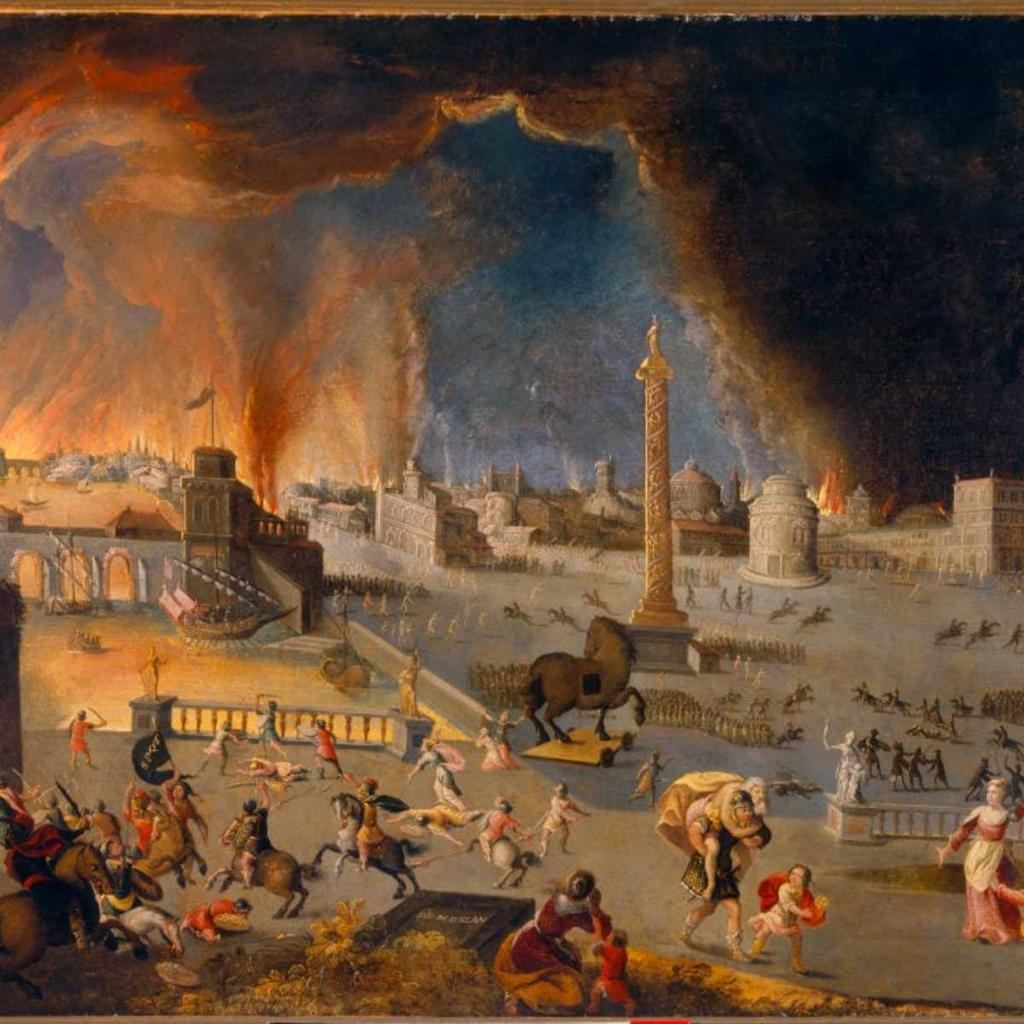
After the Greeks achieved victory through the cunning strategy of the Trojan Horse—often attributed to Odysseus—the hero set sail for his kingdom of Ithaca.
However, his return would not be swift. The gods, particularly Poseidon, harbored anger toward him, ensuring that his journey would become one of the most difficult in mythology.
The Cicones and the Lotus-Eaters: Early Lessons in Temptation
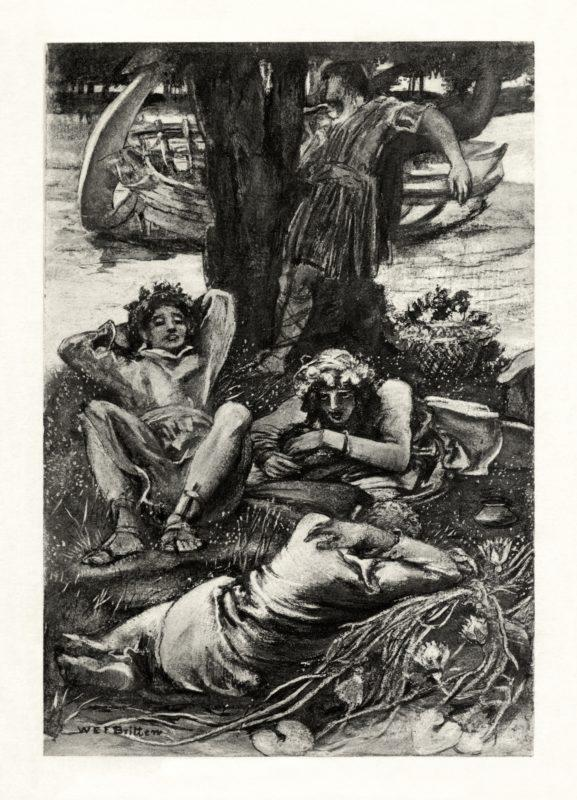
Odysseus’s first stops foreshadow the dangers ahead:
At the land of the Cicones, his crew’s recklessness led to unnecessary losses
Among the Lotus-Eaters, some men consumed a magical plant that erased their desire to return home
These episodes highlight a recurring theme: the struggle to remain focused on one’s goal despite distraction and temptation.
The Cyclops Polyphemus: Intelligence Over Strength
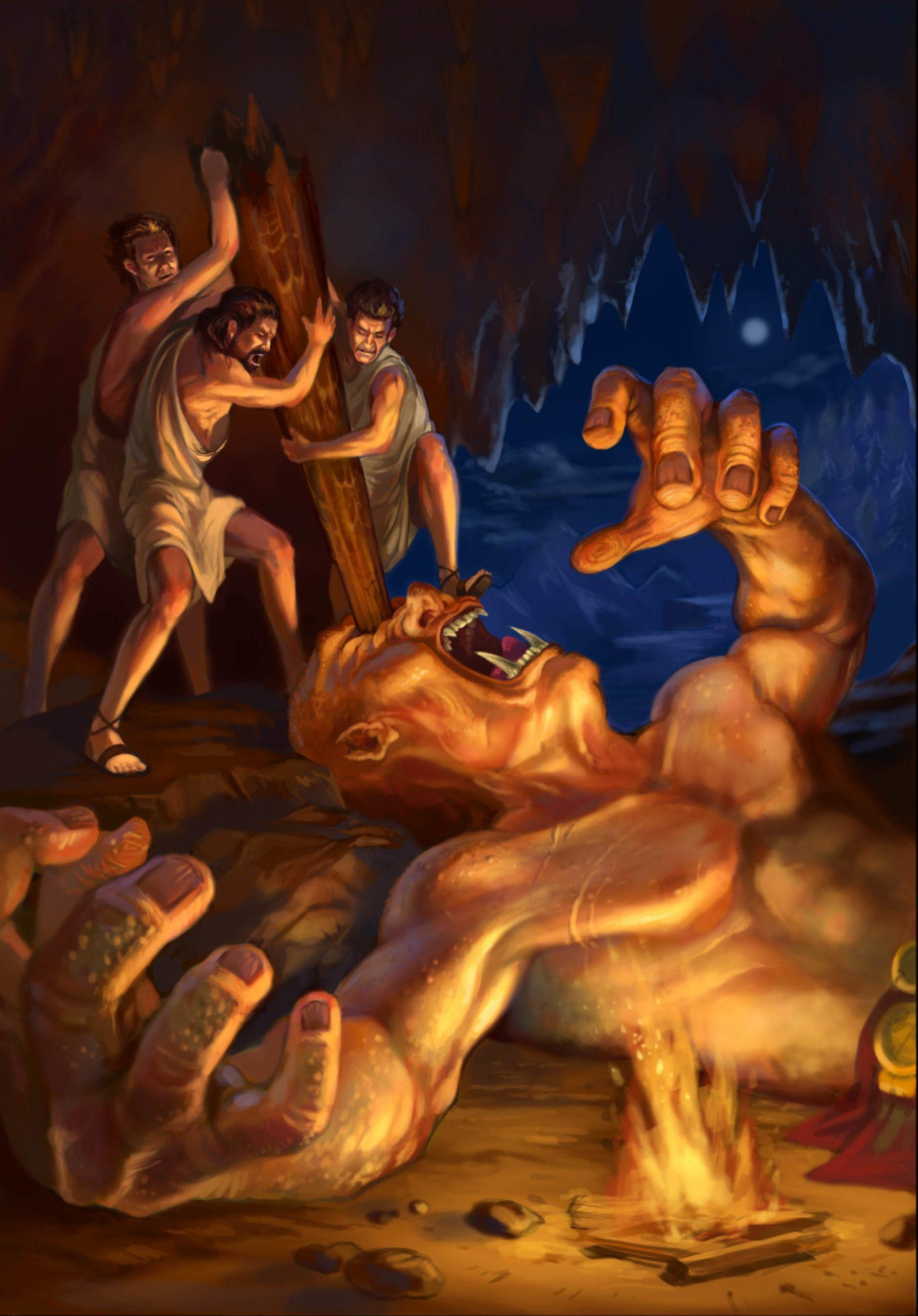
One of the most famous episodes involves Polyphemus, a one-eyed giant who trapped Odysseus and his men.
Using cunning, Odysseus:
Told the Cyclops his name was “Nobody”
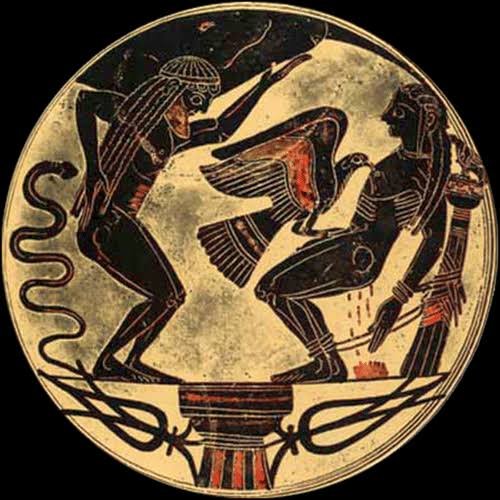
Blinded him with a heated stake
Escaped by clinging to the undersides of sheep
However, his pride led him to reveal his true identity as he fled—provoking Poseidon’s wrath and prolonging his journey.
Aeolus, the Laestrygonians, and Circe: Trials of Trust and Transformation
Odysseus received a bag from Aeolus, meant to guide him home. Yet his crew, driven by curiosity, opened it—blowing them off course.
Further disasters followed:
The Laestrygonians destroyed most of his fleet
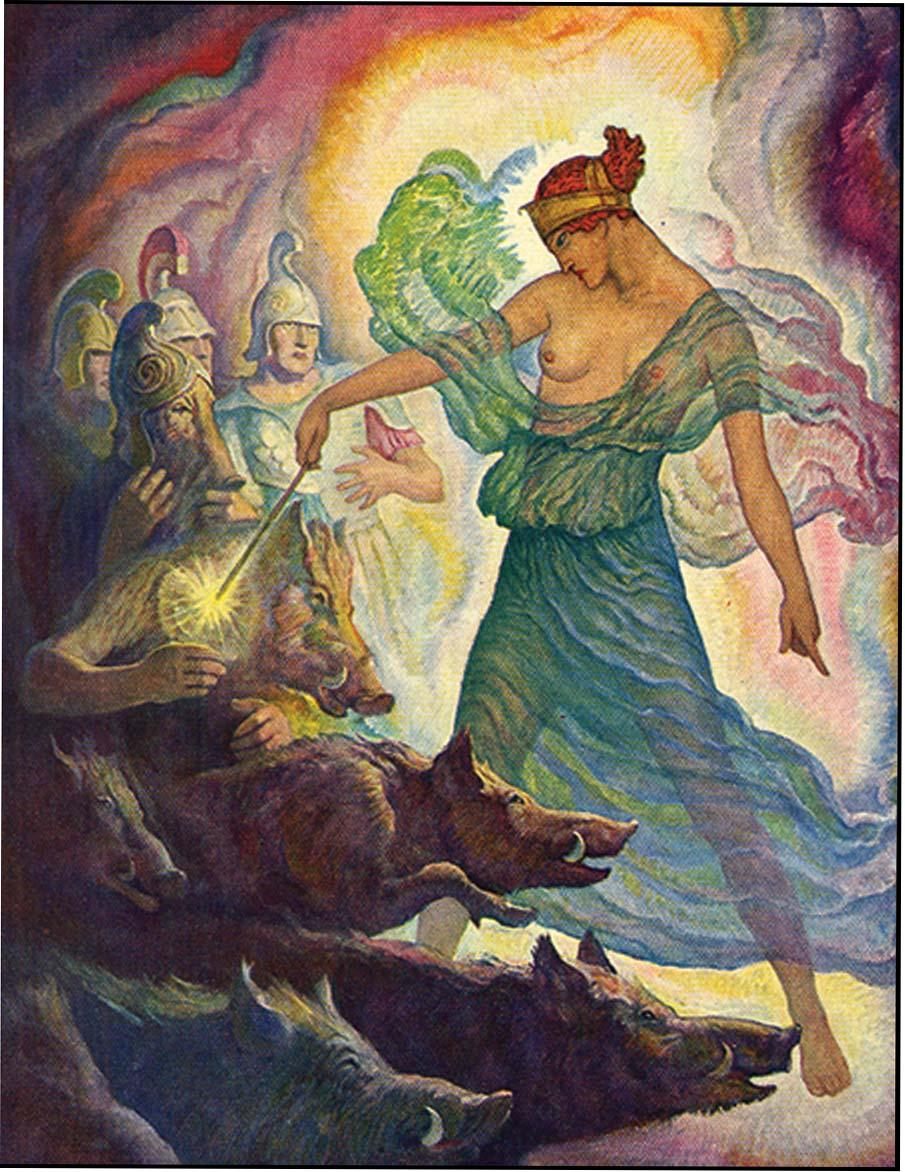
The sorceress Circe transformed his men into animals
With the help of divine intervention, Odysseus resisted Circe and eventually gained her aid, staying on her island for a year.
The Underworld: Confronting Death and Fate
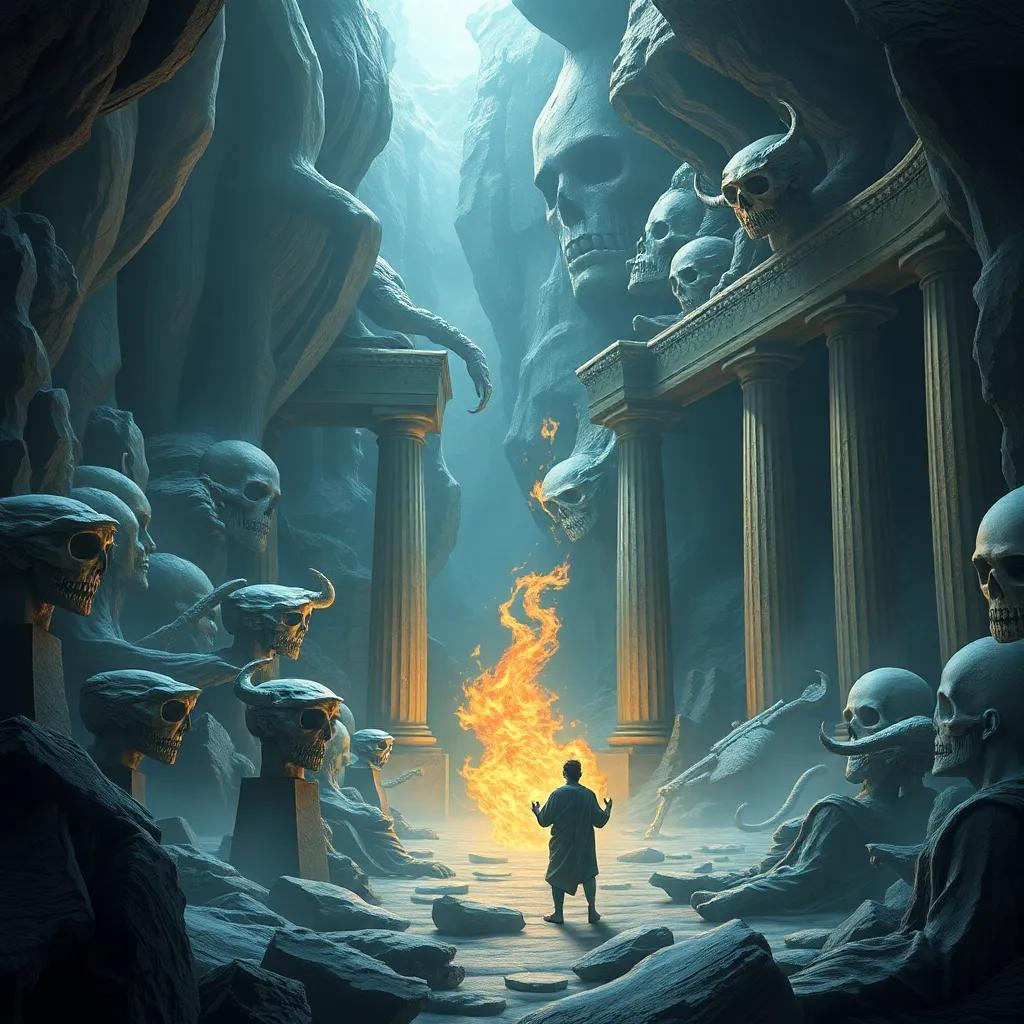
Following Circe’s advice, Odysseus journeyed to the realm of the dead to consult the prophet Tiresias.
Here, he encountered:
The spirits of fallen heroes
His mother, whose death he had not known
Warnings about the dangers still ahead
This episode deepens the narrative, emphasizing mortality, fate, and the inevitability of suffering.
The Sirens, Scylla, and Charybdis: Navigating Impossible Choices
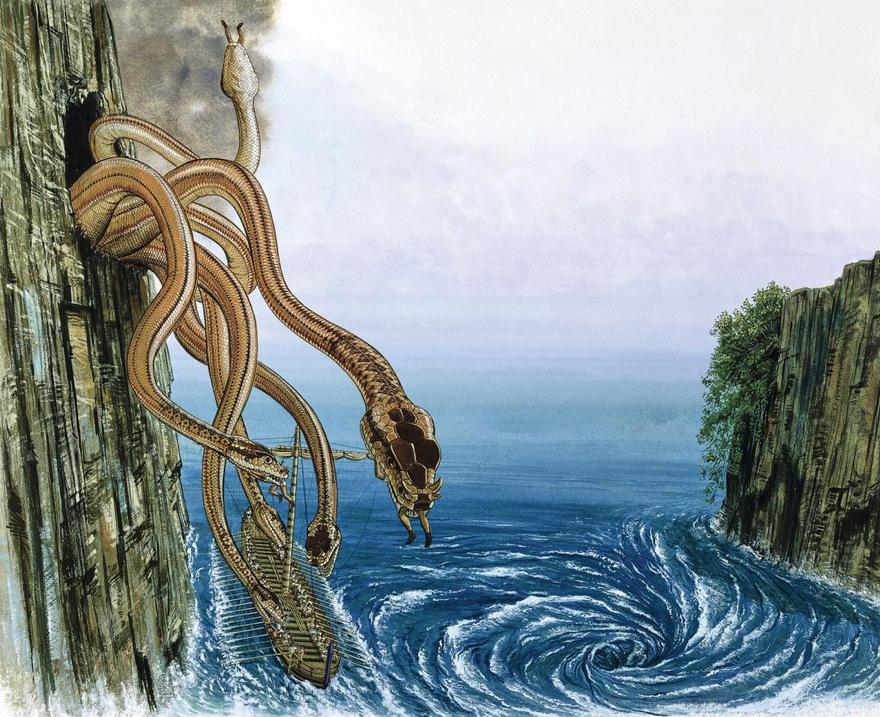
Odysseus faced some of his most perilous challenges at sea:
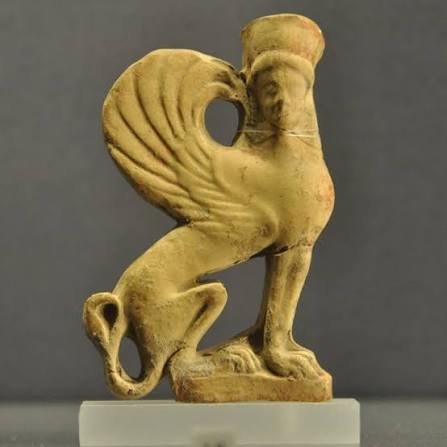
The Sirens tried to lure sailors to their doom with irresistible songs
Scylla and Charybdis forced him into a devastating choice—lose some men or risk total destruction
These trials symbolize the harsh reality of leadership and sacrifice.
The Cattle of Helios and Final Punishment
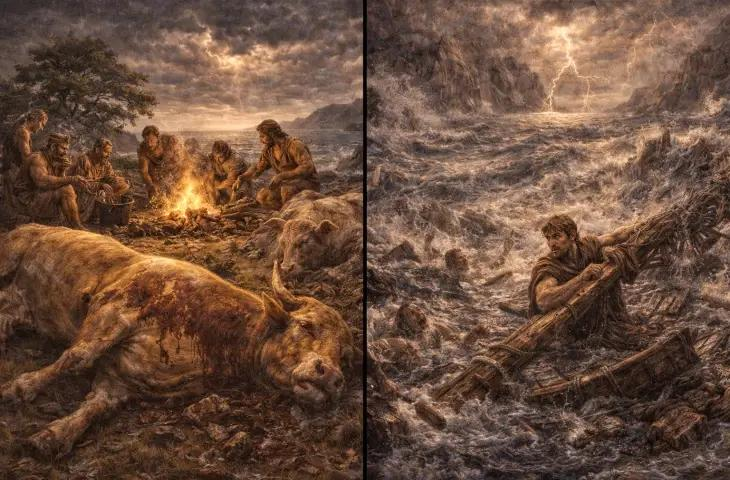
Despite strict warnings, Odysseus’s crew slaughtered the sacred cattle of Helios.
As punishment, Zeus destroyed their ship, killing everyone except Odysseus. This moment underscores the consequences of disobedience and impiety.
Calypso and the Final Return to Ithaca
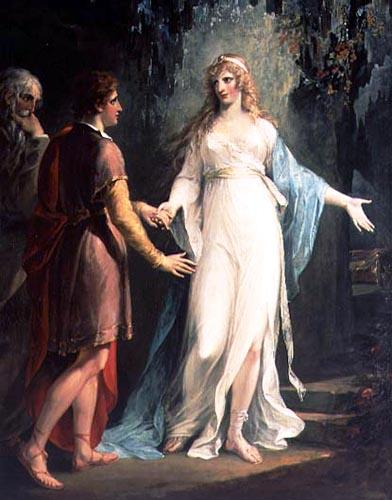
Odysseus was stranded on the island of Calypso for years. Though she offered immortality, he longed only for home.
Eventually freed, he returned to Ithaca with the help of Athena.
Disguised as a beggar, Odysseus found his home overrun by suitors seeking to marry his wife, Penelope.
In a dramatic climax:
He revealed his identity
Defeated the suitors
Reunited with Penelope after proving himself
Themes and Deeper Meaning
1. The Concept of Home (Nostos)
The journey represents the universal desire to return home—not just physically, but emotionally and spiritually.
2. Cunning Over Strength
Odysseus’s intelligence often proves more valuable than brute force.
3. Temptation and Discipline
Many obstacles reflect distractions that threaten long-term goals.
4. Divine Influence
The gods shape human destiny, yet individuals remain responsible for their choices.
Conclusion: A Hero Defined by His Journey
The story of Odysseus is not simply about reaching a destination—it is about transformation through hardship. Every trial he faces shapes him into a wiser, more resilient leader.
The Odyssey endures because it speaks to something deeply human: the struggle to find one’s way home in a world full of uncertainty.
And in the end, Odysseus’s greatest victory is not defeating monsters—but reclaiming his life, his identity, and his place in the world.