A Family Doomed by Blood and Betrayal—The Terrifying Curse of the House of Atreus
Introduction: A Dynasty Marked by Endless Tragedy
Few narratives in Greek mythology are as dark, violent, and psychologically complex as the story of the House of Atreus. This cursed royal lineage, rooted in the ancient kingdom of Mycenae, became synonymous with betrayal, revenge, and generational suffering.
The myth is not a single story but a chain of interconnected tragedies spanning multiple generations—from Tantalus to Orestes. Each act of violence gives rise to another, creating a cycle of vengeance that seems impossible to break.
At its core, the curse reflects profound themes of justice, fate, and the destructive consequences of human choices.
The Origin of the Curse: The Sin of Tantalus

The curse began with Tantalus, a favored mortal of the gods who committed an unforgivable crime.
To test the omniscience of the Olympians, Tantalus killed his own son, Pelops, and served him as a meal to the gods. Horrified, the gods recognized the deception and restored Pelops to life, but Tantalus was condemned to eternal punishment in the Underworld—forever tormented by unattainable food and water.
This grotesque act of betrayal and cannibalism set the tone for the generations that followed.
Pelops and the Seeds of Betrayal
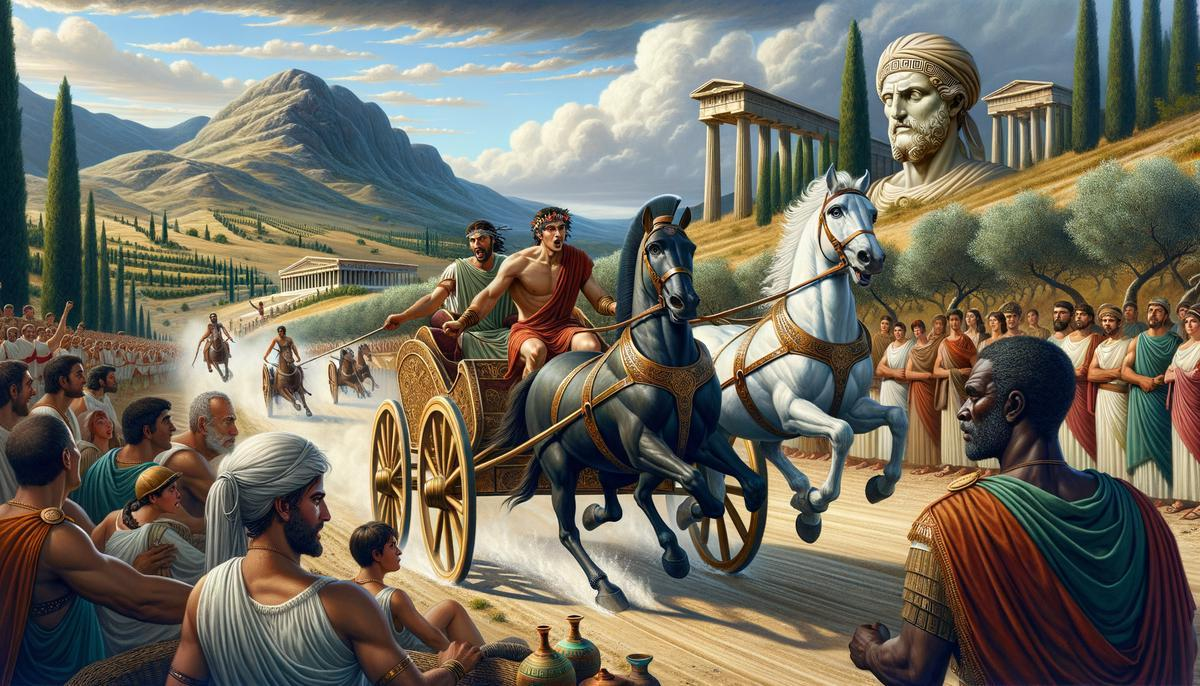
Although restored to life, Pelops continued the cycle of treachery.
Seeking to marry Hippodamia, Pelops had to defeat her father, King Oenomaus, in a deadly chariot race. With the help of the king’s charioteer, Myrtilus, Pelops sabotaged the race and won. However, instead of rewarding Myrtilus, Pelops betrayed and killed him.
As he died, Myrtilus cursed Pelops and his descendants—further cementing the family’s doom.
Atreus and Thyestes: A Feast of Revenge
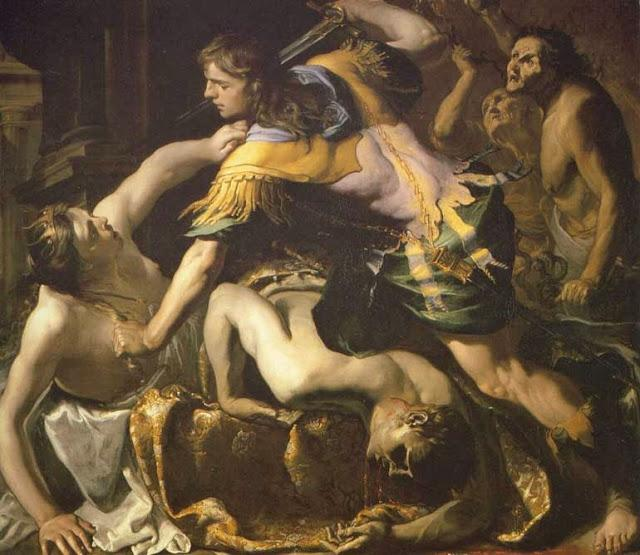
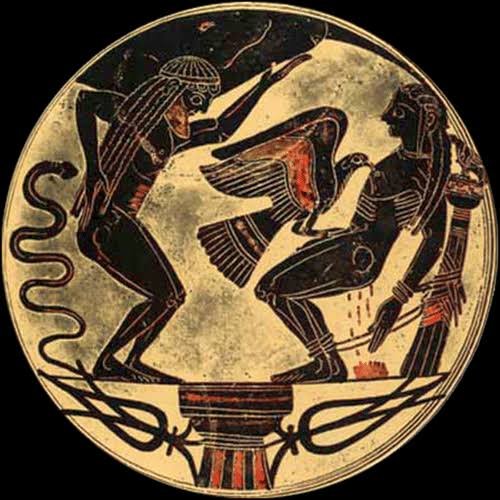
The curse reached horrifying heights in the next generation with Atreus and his brother Thyestes.
Their rivalry over the throne of Mycenae escalated into deception and cruelty. When Thyestes seduced Atreus’s wife, Atreus plotted a gruesome revenge:
He killed Thyestes’ sons
Cooked them into a meal
Served them to their unsuspecting father
Only after Thyestes had eaten did Atreus reveal the truth. This act of cannibalistic revenge became one of the most infamous moments in Greek myth.
Thyestes, devastated, sought vengeance, ensuring the cycle of violence would continue.
Agamemnon and the Sacrifice of Iphigenia

The curse passed to Atreus’s son, Agamemnon, a central figure in the Trojan War.
Before sailing to Troy, Agamemnon angered the goddess Artemis, who stilled the winds. To appease her, he was forced to sacrifice his daughter, Iphigenia.
This act ensured military success—but at a devastating personal cost. It also ignited the wrath of his wife, Clytemnestra.
Clytemnestra’s Revenge: Murder in the Palace
6
When Agamemnon returned victorious from Troy, he brought with him the Trojan princess Cassandra.
Clytemnestra, driven by grief and fury over Iphigenia’s death, plotted revenge. With the help of her lover Aegisthus (a son of Thyestes), she murdered Agamemnon—often depicted as being slain in his bath.
This act fulfilled the curse’s pattern: betrayal answered with betrayal, blood with blood.
Orestes and the Furies: The Cycle Reaches Its Peak
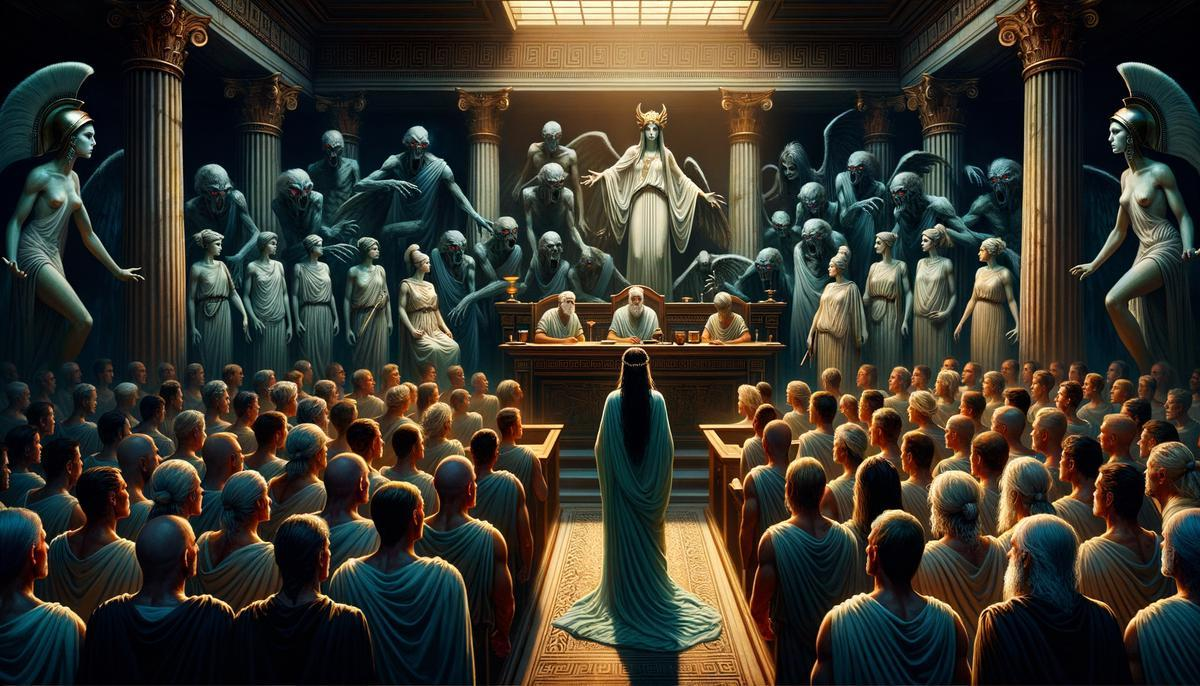
The final major chapter centers on Orestes, the son of Agamemnon and Clytemnestra.
Urged by the god Apollo, Orestes avenged his father by killing his own mother.
However, this act triggered the wrath of the Erinyes—ancient deities who punished crimes against family. They pursued Orestes relentlessly, driving him to madness.
Eventually, Orestes was brought to trial in Athens, where the goddess Athena intervened. In a landmark judgment, she acquitted Orestes, ending the cycle of vengeance and establishing a new system of justice based on law rather than revenge.
Themes and Deeper Meaning
1. The Cycle of Violence
Each generation inherits not only guilt but also the consequences of past actions, illustrating how violence perpetuates itself.
2. Divine Justice vs. Human Revenge
The transition from blood vengeance to legal judgment—symbolized by Orestes’ trial—reflects a cultural shift in ancient Greek thought.
3. Fate and Free Will
While the family appears cursed, each individual still makes choices that contribute to their downfall.
4. The Fragility of Power
Despite their royal status, members of the House of Atreus are powerless against the consequences of their actions.
Cultural and Literary Legacy
The story of the House of Atreus became a cornerstone of Greek tragedy, especially in works like the Oresteia by Aeschylus.
Its themes continue to influence modern storytelling, psychology, and discussions about justice and morality. The myth’s enduring relevance lies in its exploration of human nature—our capacity for both cruelty and redemption.
Conclusion: A Curse Finally Broken
The Curse of the House of Atreus is more than a tale of horror—it is a profound exploration of justice, guilt, and transformation. From Tantalus’s unspeakable crime to Orestes’ trial, the story charts a painful journey from chaos to order.
In the end, the curse is not broken by strength or revenge, but by a shift in understanding—an evolution from vengeance to justice.
And in that transformation lies the true legacy of one of mythology’s darkest families.