He Faced Monsters, Gods, and Death Itself—But These 12 Labors Nearly Broke Him: The Epic Trials of Heracles Explained
Introduction: A Hero Forged Through Suffering
In the vast world of Greek mythology, few figures embody strength, endurance, and redemption like Heracles (known as Hercules in Roman tradition). His story is not merely one of heroic feats, but of guilt, punishment, and ultimately, transformation.
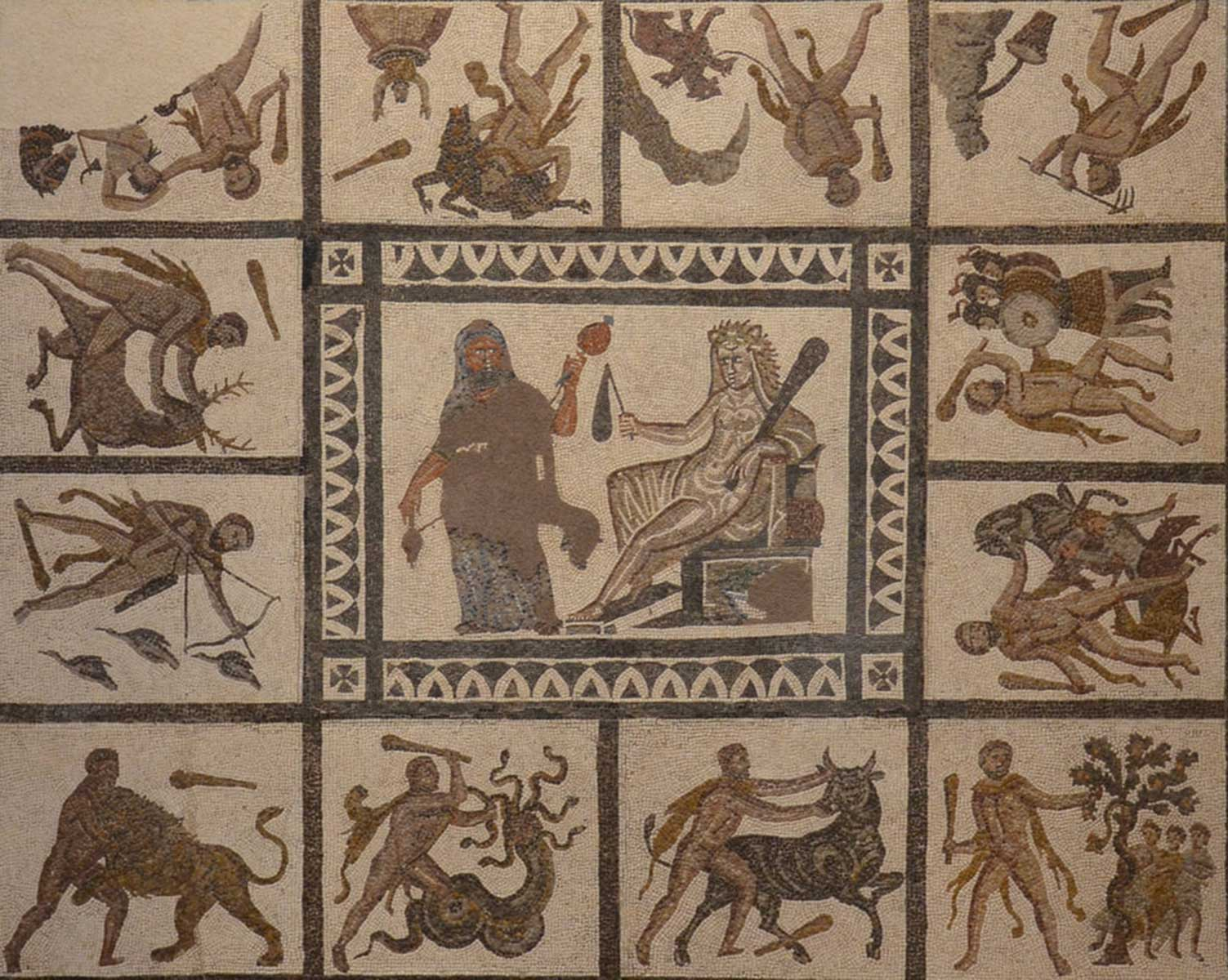
The famous Twelve Labors of Heracles were not quests he chose willingly. They were imposed upon him as penance after he was driven into madness by Hera and tragically killed his own family. Seeking purification, Heracles consulted the Oracle of Delphi and was instructed to serve King Eurystheus, who assigned him a series of seemingly impossible tasks.
Each labor tested not only his physical strength, but also his intelligence, resilience, and moral character.
The First Six Labors: Conquering the Natural and the Monstrous
1. The Nemean Lion
Heracles’ first task was to slay the invulnerable Nemean Lion, whose golden fur could not be pierced by weapons.
After realizing that brute force alone would not work, Heracles used his immense strength to strangle the beast. He then used the lion’s own claws to skin it and wore its hide as armor—symbolizing both victory and adaptation.
2. The Lernaean Hydra
Next, Heracles faced the terrifying Lernaean Hydra, a serpent whose heads regenerated when cut off.
With the help of his nephew Iolaus, Heracles burned each neck stump after decapitation to prevent regrowth. This labor highlights not just strength, but strategy and cooperation. The Hydra’s poisonous blood would later play a crucial role in Heracles’ life.
3. The Ceryneian Hind
The third labor required capturing the sacred Ceryneian Hind, a swift deer dedicated to Artemis.
Rather than killing it, Heracles pursued the creature for a year before capturing it unharmed. This labor emphasizes restraint and respect for the divine.
4. The Erymanthian Boar
Heracles was tasked with capturing the ferocious Erymanthian Boar alive.
Using the winter snow to his advantage, he exhausted the beast and trapped it, later presenting it to Eurystheus, who famously hid in fear upon seeing it.
5. The Augean Stables
The fifth labor seemed humiliating: cleaning the filthy stables of King Augeas in a single day.
Heracles accomplished this by diverting two rivers to wash away the waste. This task showcases ingenuity and problem-solving rather than brute strength.
6. The Stymphalian Birds
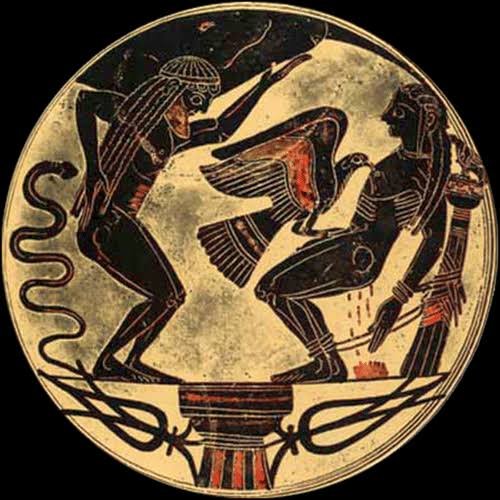
These man-eating birds, known as the Stymphalian Birds, terrorized the region.
With the help of Athena, Heracles used a rattle to frighten them into the air, making them easier targets. He then shot them down with poisoned arrows.
The Final Six Labors: Beyond the Mortal World
7. The Cretan Bull
Heracles captured the powerful Cretan Bull, later associated with the myth of the Minotaur.
8. The Mares of Diomedes
The man-eating Mares of Diomedes were subdued when Heracles fed them their cruel master, Diomedes.
9. The Belt of Hippolyta
Heracles sought the belt of Hippolyta. Though she initially agreed to give it willingly, Hera’s interference led to conflict and her death.
10. The Cattle of Geryon
Heracles traveled to the edge of the world to retrieve cattle guarded by the giant Geryon.
11. The Apples of the Hesperides
To obtain the golden apples, Heracles enlisted Atlas. While Atlas retrieved the apples, Heracles temporarily held up the heavens—a feat of endurance and clever negotiation.
12. The Capture of Cerberus
The final labor required descending into the Underworld to capture Cerberus.
Without using weapons, Heracles subdued the beast and brought it to the surface—proving his dominance over even death itself.
Themes and Symbolism
1. Redemption Through Suffering
Heracles’ labors were acts of atonement. Each task symbolized a step toward purification and redemption.
2. Strength and Intelligence
While known for brute force, many labors required wit, strategy, and adaptability.
3. Human Struggle Against Chaos
The monsters Heracles defeated often represented disorder in the natural and moral world.
4. Divine Influence
The constant interference of Hera highlights the tension between gods and mortals.
Conclusion: More Than Just Strength
The Twelve Labors of Heracles are not simply heroic adventures—they are a profound narrative of guilt, endurance, and transformation. Through unimaginable trials, Heracles evolves from a tragic figure into one of the greatest heroes of antiquity.
His story reminds us that true heroism is not just about power, but about perseverance, growth, and the courage to face one’s own failures.