Ancient Greek medicine represents one of the most important foundations of modern medical science. Before the Greeks, explanations for illness were often based on myth or divine punishment. However, Greek physicians began to develop more systematic and rational approaches to understanding the human body and disease.
The most influential figure in Greek medicine was Hippocrates of Kos (c. 460–370 BCE), often called the “Father of Medicine.” Hippocrates and his followers rejected the idea that illness was caused by the gods. Instead, they believed that diseases had natural causes related to environment, lifestyle, and bodily imbalance.
One of Hippocrates’ key ideas was the theory of the four humors: blood, phlegm, yellow bile, and black bile. Health was believed to depend on the balance of these fluids. When they were out of balance, illness occurred. Although incorrect by modern standards, this theory influenced medicine for nearly 2,000 years.
Greek medicine also emphasized careful observation. Physicians recorded symptoms, studied disease progression, and compared cases to identify patterns. This was a major step toward scientific medicine.
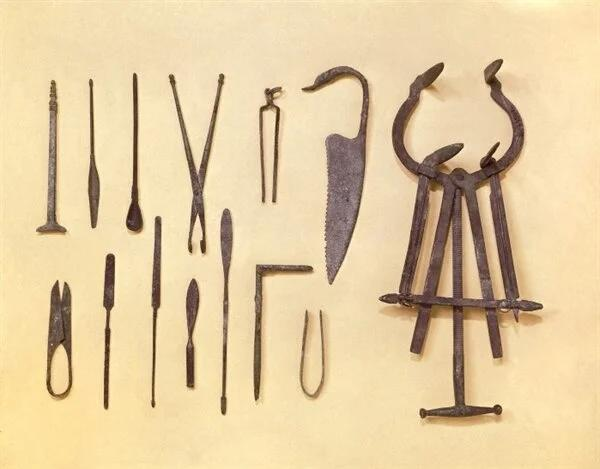
Medical treatment included diet regulation, rest, herbal remedies, and physical therapies. Surgery was limited but did exist, especially for injuries. Greek doctors also worked in healing temples called Asclepieia, dedicated to the god Asclepius. Patients would sleep in these temples and seek healing through dreams interpreted by priests.
Hippocratic writings also introduced ethical principles for doctors, including the famous Hippocratic Oath, which emphasized patient care, confidentiality, and doing no harm.
Greek medicine laid the groundwork for later Roman, Islamic, and European medical traditions, making it one of the most influential achievements of the ancient world.