Ancient Greek pottery is one of the most visually rich and informative sources of evidence about Greek daily life, mythology, and artistic development. Pottery was not only decorative but also highly practical, used for storage, transport, cooking, and religious offerings.
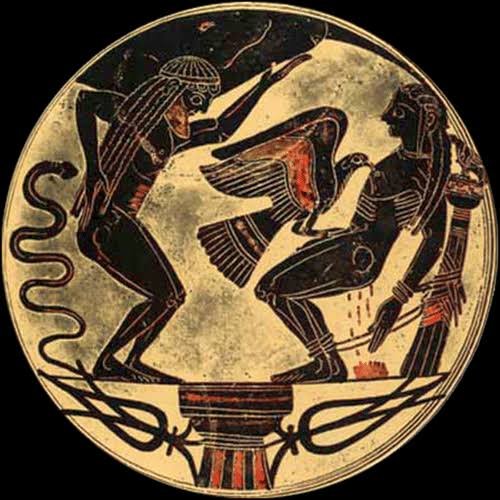
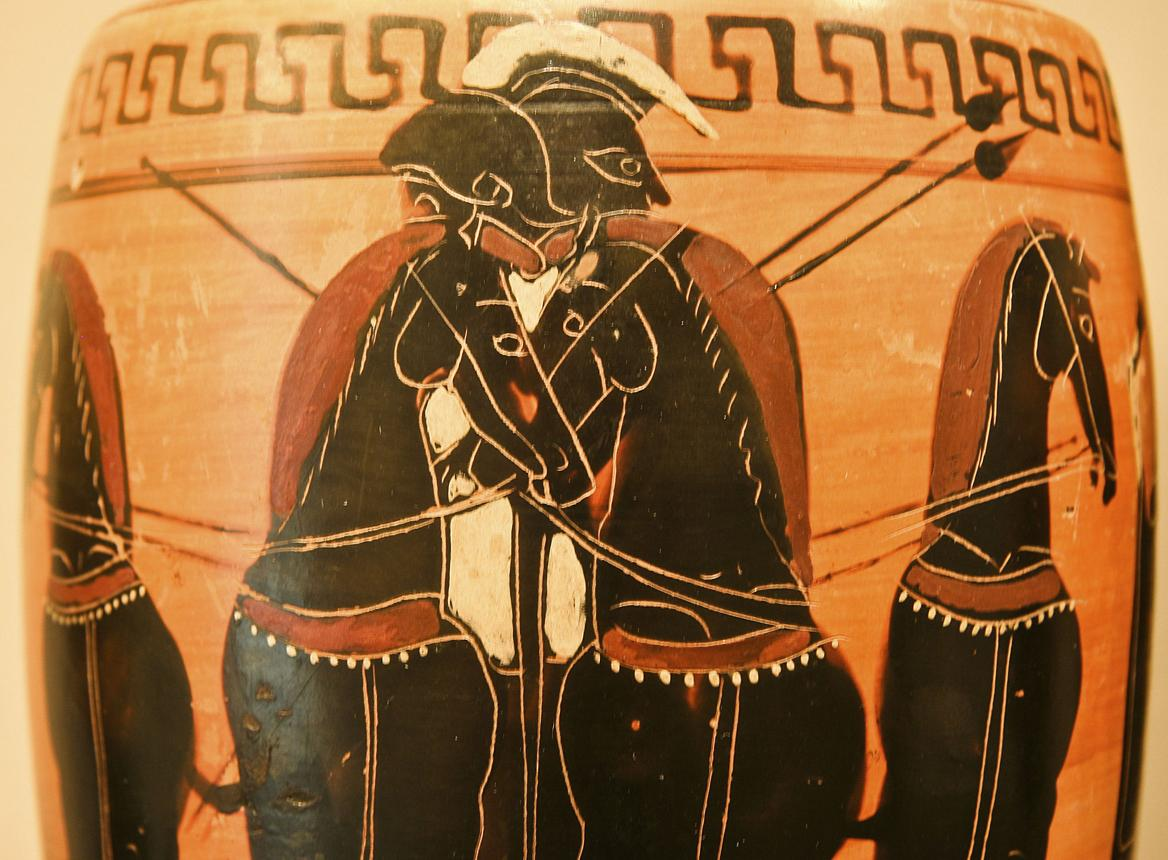
Greek pottery evolved through several artistic phases, with two of the most famous styles being black-figure and red-figure techniques. In black-figure pottery, artists painted figures in black silhouette on red clay and then carved fine details into the surface. In red-figure pottery, the process was reversed, allowing for more detailed and realistic human forms.
Pottery production required skilled craftsmanship. Clay was carefully prepared, shaped on a potter’s wheel, and then fired in a kiln under controlled conditions. The firing process was complex and required precise temperature control to achieve the desired color effects.
Greek vases often depicted scenes from mythology, warfare, athletic competitions, and everyday life. These images provide valuable insight into clothing, social customs, and religious beliefs. Gods such as Zeus, Athena, and Dionysus frequently appeared in decorative scenes.
Different types of pottery served different functions. Amphorae were used for storing wine and oil, kraters for mixing wine and water, and kylixes for drinking. Each vessel had a specific role in daily and ceremonial life.
Pottery was also an important export product. Greek ceramics were traded throughout the Mediterranean, spreading Greek artistic styles and cultural influence far beyond Greece itself.