Ancient Greek architecture is one of the most influential architectural systems in history. It is defined by three main styles, known as orders: Doric, Ionic, and Corinthian.
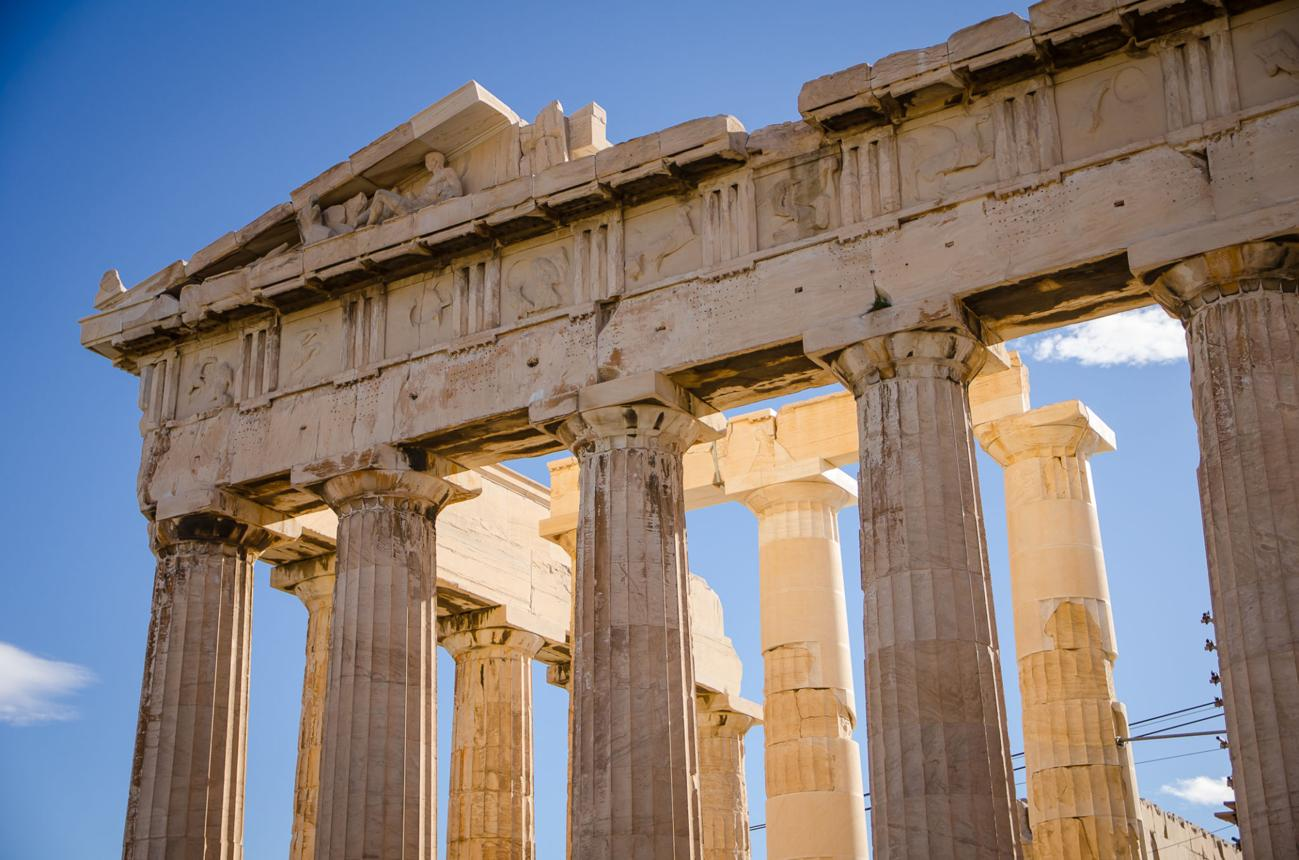
The Doric order is the oldest and simplest. It features strong, sturdy columns with plain capitals and no base. Doric architecture conveys strength and stability and was widely used in mainland Greece. The Parthenon is one of the most famous examples.
The Ionic order is more elegant and decorative. Its columns are thinner and rest on bases, with scroll-like volutes at the top. This style is associated with grace and refinement and was commonly used in temples dedicated to goddesses.
The Corinthian order is the most elaborate. It features highly decorative capitals adorned with carved acanthus leaves. This style became more popular in later Greek and Roman architecture and was often used to display wealth and grandeur.
Together, these three styles represent the evolution of Greek aesthetics—from strength and simplicity to elegance and ornamentation.