Slavery in Ancient Greece was a deeply rooted institution, but it is often misunderstood when viewed through a modern lens. It was not based on race, but rather on war, trade, and social hierarchy.
Slaves came from many backgrounds. A large number were war captives taken during military campaigns. Others were purchased from trading networks that stretched across the Mediterranean. In earlier periods, some individuals even became slaves due to unpaid debts.
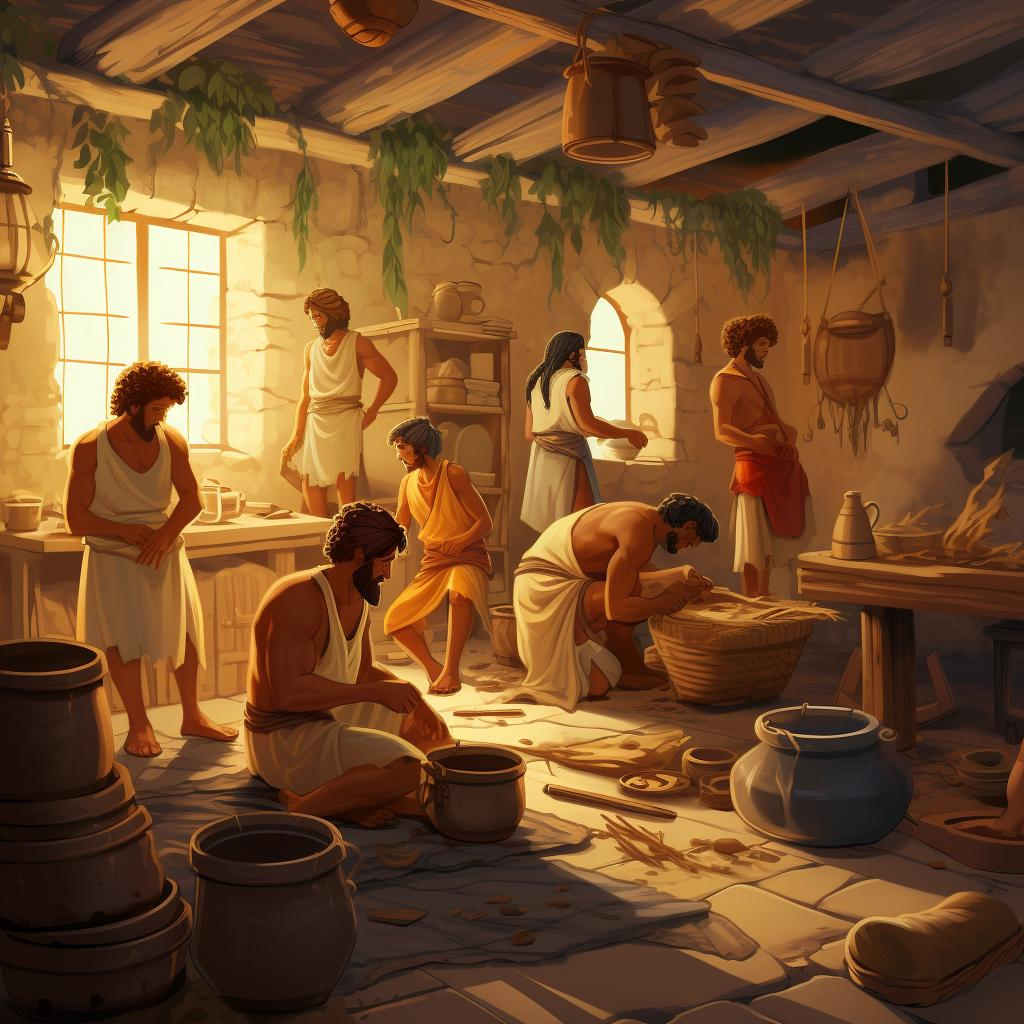
The roles of slaves varied widely. In wealthy Athenian households, slaves performed domestic tasks such as cooking, cleaning, childcare, and assisting their owners in business matters. Some highly skilled slaves worked as teachers, scribes, or administrators. In these cases, their living conditions could be relatively stable, though they still lacked freedom.
However, other forms of slavery were extremely harsh. In the silver mines of Laurium, slaves worked in dangerous, exhausting conditions with very high mortality rates. Agricultural slaves worked long hours on estates under strict supervision.
In Sparta, enslaved people known as helots formed the backbone of the economy. They worked the land and produced food for Spartan citizens, allowing Spartan men to focus entirely on military training. Helots were collectively controlled by the state and often treated with severe discipline due to fear of rebellion.
Slavery was essential to the functioning of Greek society, even though conditions varied dramatically depending on place and role.