Religious festivals were one of the most important aspects of Ancient Greek life. They were not only spiritual events but also major social gatherings that united entire city-states through shared rituals, feasting, and competition.
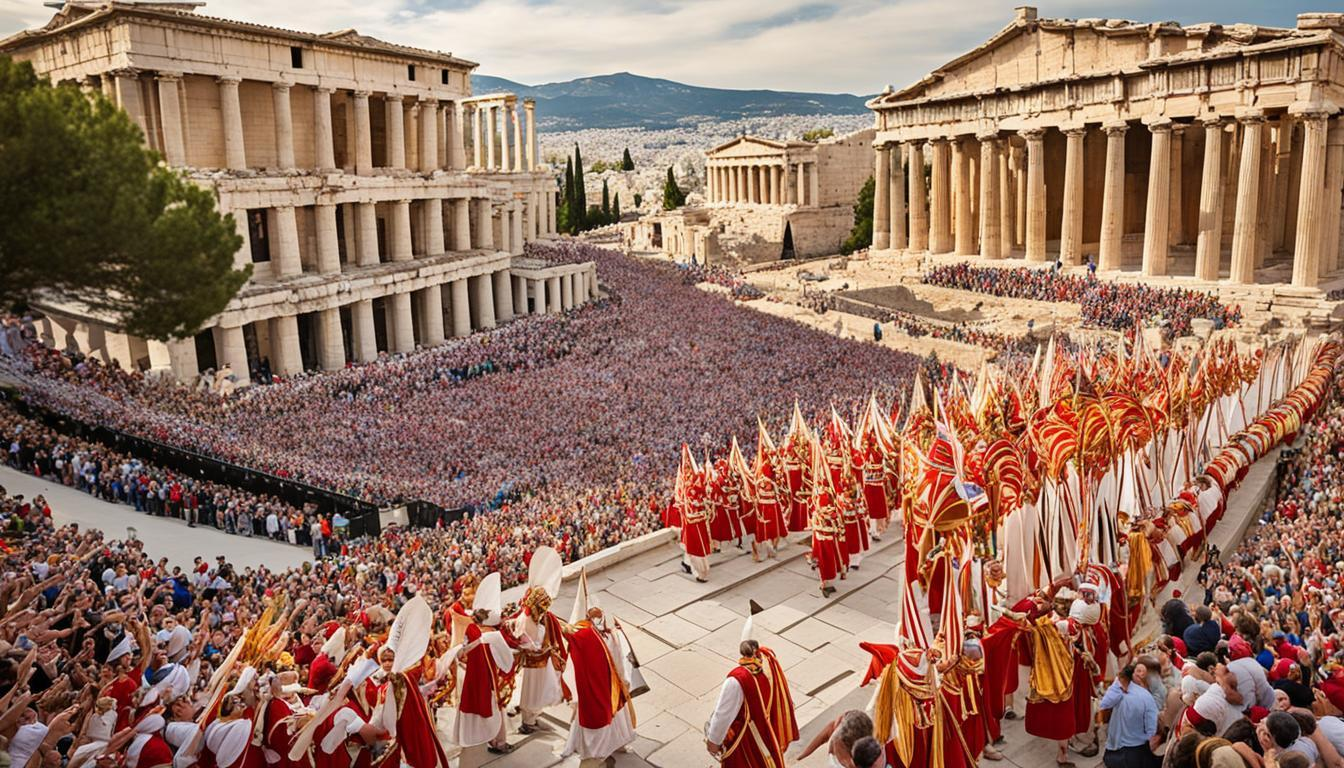
The Panathenaic Festival in Athens was one of the largest and most significant celebrations. Held in honor of the goddess Athena, it included a grand procession through the city, animal sacrifices, musical performances, athletic competitions, and the presentation of a sacred robe (peplos) to Athena’s statue on the Acropolis. This festival reinforced civic pride and religious devotion at the same time.
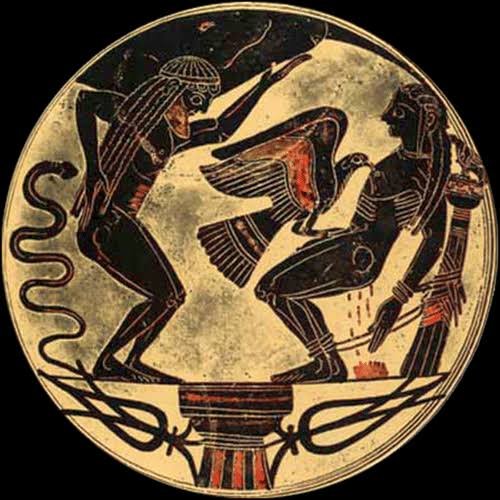
Animal sacrifice was central to Greek religious practice. Animals such as cattle or sheep were brought to altars, where they were ritually killed. The gods were believed to receive the smoke from the burning bones and fat, while the meat was shared among participants in a communal feast. This created a strong sense of unity between worshippers and the divine.
The Olympic Games, held in Olympia every four years, were another major religious festival dedicated to Zeus. Although today they are viewed as athletic competition alone, in ancient times they were deeply spiritual. Athletes competed in events such as running, wrestling, boxing, and chariot racing, all in honor of the king of the gods.
Other festivals, such as the Dionysia, honored Dionysus, the god of wine and theater. These celebrations included dramatic performances that became the foundation of Greek tragedy and comedy.
Overall, Greek festivals were a combination of religion, entertainment, and politics. They strengthened identity, reinforced belief systems, and allowed people from different regions to come together peacefully.