The beginnings of Greek philosophy can be traced to the Pre-Socratic thinkers, who lived before Socrates and were the first to attempt to explain the natural world using reason rather than mythology.
One of the earliest and most influential figures was Thales of Miletus. He is often called the “father of philosophy” because he proposed that natural phenomena had rational explanations. Thales believed that water was the fundamental substance underlying all matter, a revolutionary idea for its time.
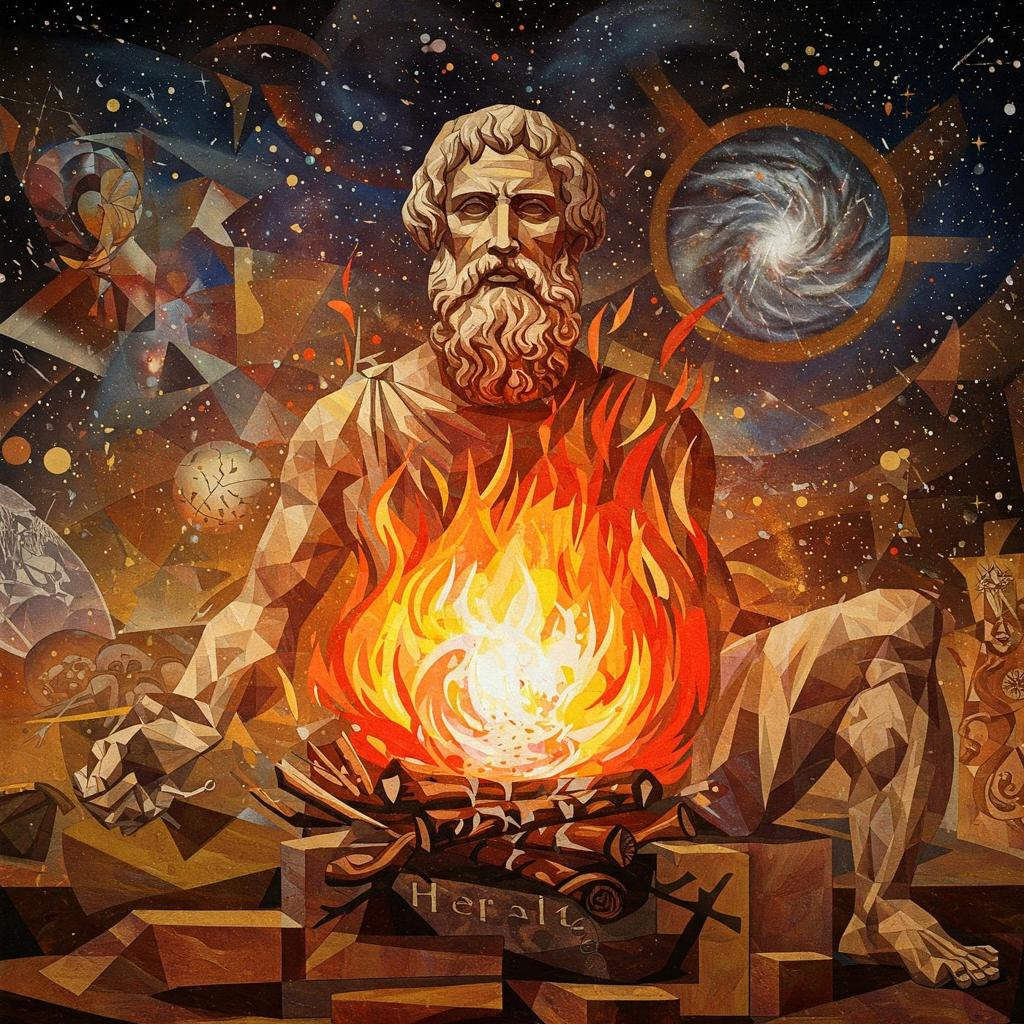
Other Pre-Socratic thinkers expanded these early ideas. Anaximander suggested that the universe originated from an infinite substance called the apeiron, while Heraclitus argued that change itself was the defining feature of reality, famously stating that everything is in constant flux.
These philosophers marked a major intellectual shift in human history. Instead of attributing natural events to gods and myths, they sought logical explanations based on observation and reasoning. This change laid the foundation for modern science, mathematics, and philosophical inquiry.
Although their original writings survive only in fragments, their influence is enormous. They helped establish the idea that the universe is governed by natural laws that can be studied and understood.