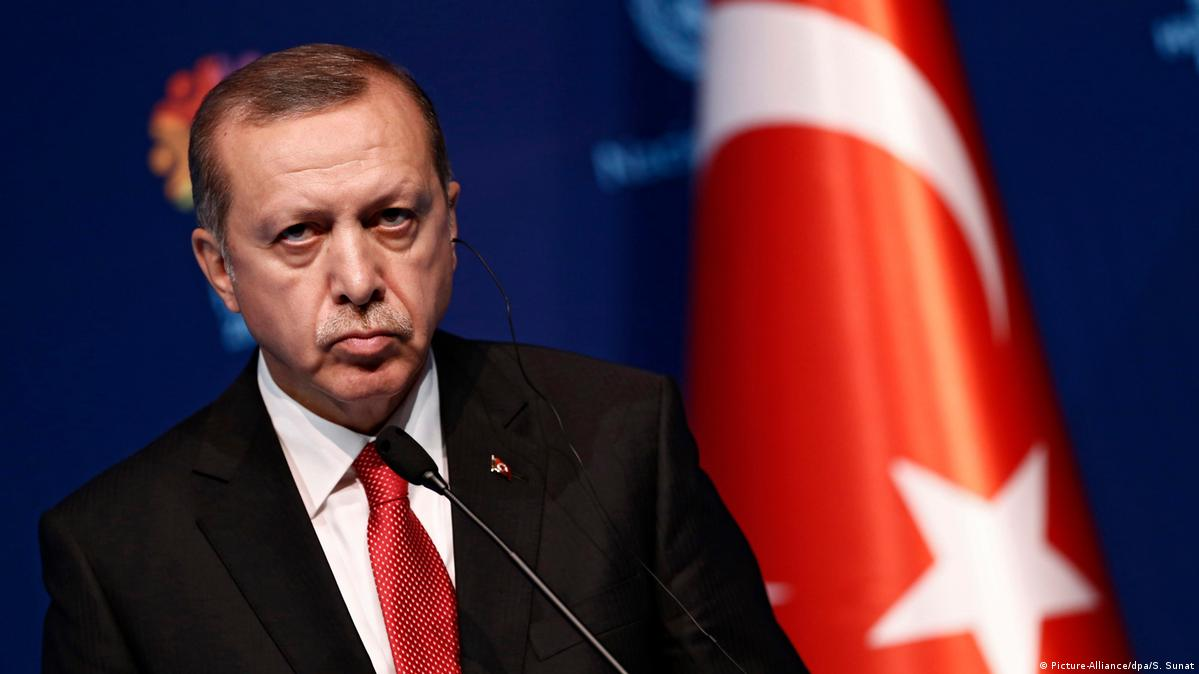
The geopolitical landscape of the Eastern Mediterranean is undergoing a significant shift as Ankara expresses deepening frustration over the strengthening trilateral partnership between Greece, Israel, and Cyprus. Turkish officials have recently escalated their rhetoric, characterizing the "Athens–Tel Aviv–Nicosia axis" as a direct attempt to encircle Turkey and marginalize its regional influence. This friction comes in the wake of the war against Iran, which has reshaped power dynamics and intensified competition for strategic dominance in the region.
Turkey’s primary concern lies in the military dimension of this cooperation. The advancement of defense agreements, such as Greece’s acquisition of the Israeli-made PULS multiple rocket launcher systems and Cyprus’s integration of the Barak MX missile system, is viewed by Ankara as a threat to its security interests in the Aegean and Eastern Mediterranean. Turkish Foreign Minister Hakan Fidan has issued sharp warnings, suggesting that such military alignments "bring more problems and war" rather than regional stability. Ankara perceives these developments as a barrier to its own revisionist ambitions and is actively seeking to disrupt the axis by emphasizing its leadership role within the Muslim world.
Adding to Turkey's unease is the perceived unwavering support from the United States for the trilateral format. Despite maintained communication between President Donald Trump and Recep Tayyip Erdoğan, Ankara remains wary of the "Israeli lobby" in Washington and the potential for a permanent European and U.S. military presence in Cyprus and the Greek islands. As the U.S. balances its commitments between Turkey, a NATO ally, and Israel, Ankara is intensifying its diplomatic efforts with countries like Pakistan, Saudi Arabia, and Egypt to create a counterweight. Meanwhile, Athens continues to assert its sovereign right to form independent defense partnerships, viewing the trilateral cooperation as a peaceful pillar of regional security that is not directed against any third party.