Amid one of the most dangerous maritime crises in recent history, a Greek tanker has become part of a bold and highly risky attempt to break through the near-paralyzed Strait of Hormuz.
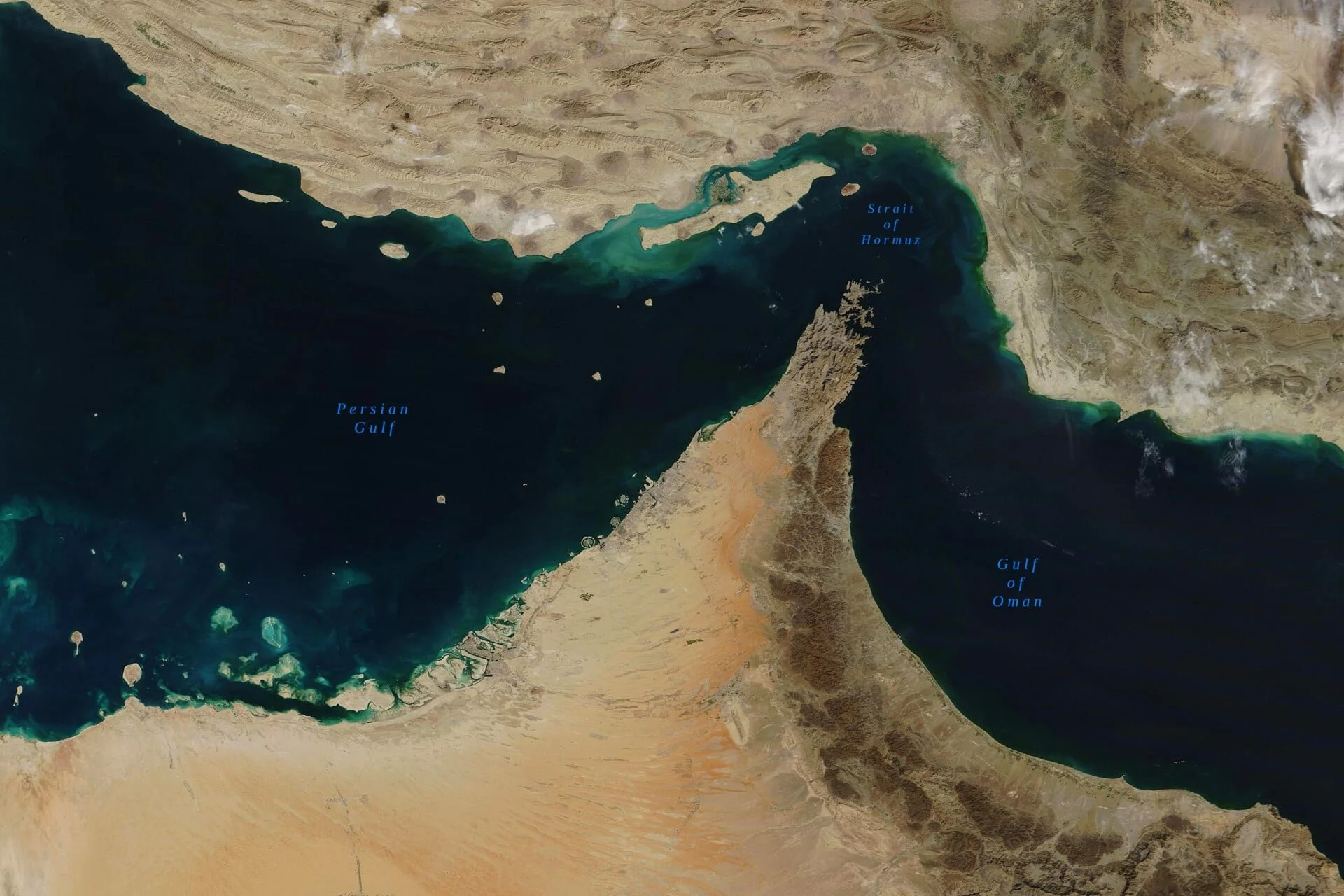
With the strait effectively shut or severely restricted due to the ongoing 2026 conflict between the U.S. and Iran, global shipping has been pushed into uncharted territory. The passage, which normally carries around 20% of the world’s oil supply, has seen traffic collapse, with hundreds of vessels stranded and many others refusing to enter due to the threat of attacks, mines, and military interception.
In this environment, certain shipowners have begun exploring unconventional and “pioneering” strategies to keep trade moving. The Greek tanker mentioned in the report was involved in an attempt to bypass the traditional transit route, taking advantage of narrow coastal corridors and alternative navigation paths in order to avoid direct confrontation zones and restriction
This reflects a wider shift in global shipping behavior. Instead of relying on the standard Hormuz passage, some vessels are now experimenting with risky detours, hugging coastlines or coordinating tightly controlled convoys. These moves are not without danger, as even limited attempts to cross have resulted in ships being turned back, fired upon, or forced to wait indefinitely.
The situation remains extremely volatile. At times the strait is declared “open,” only to be shut again within days, while naval blockades, political tensions, and military actions continue to disrupt any sense of normal flow.
The involvement of a Greek tanker in such an operation highlights both the importance of Greek shipping on the global stage and the immense risks shipowners are now willing to take to keep energy supplies moving.
In a crisis that has already shaken global markets and sent oil prices soaring, these daring attempts underline a simple reality: when one of the world’s most critical chokepoints closes, the entire planet feels the consequences.