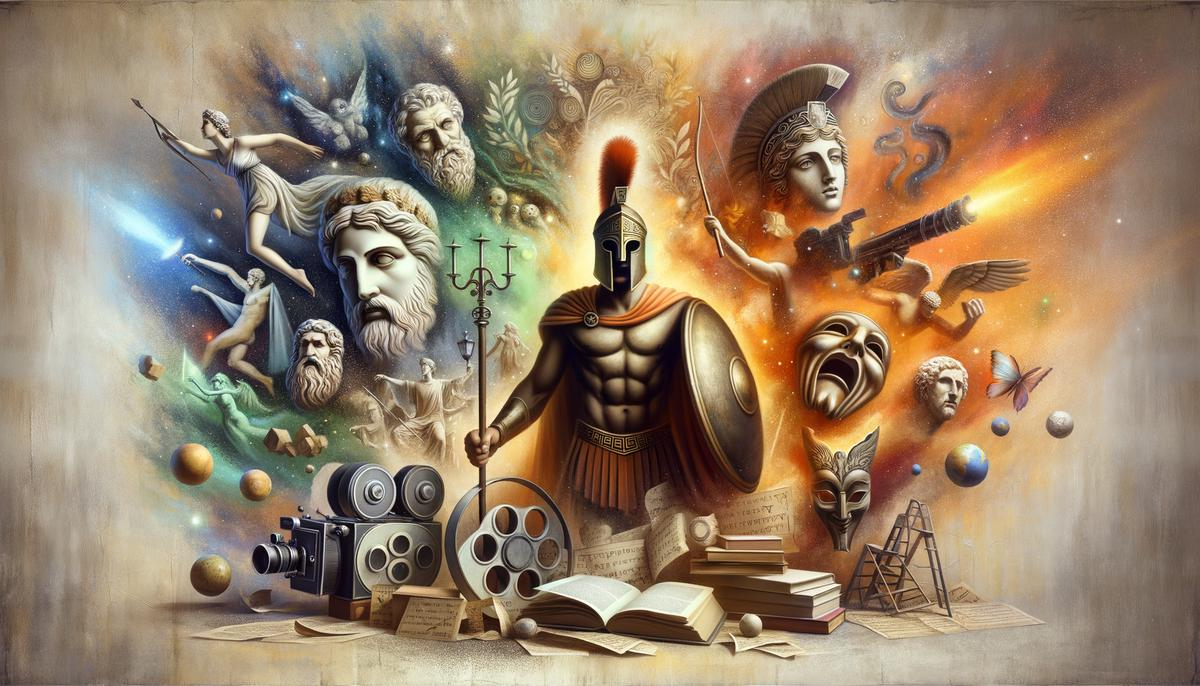
The Eternal Return: Greek Myths in Modern Pop Culture
Greek mythology has never truly died; it has simply changed its medium. From the epic poems of Homer to the high-definition CGI of Hollywood, these stories remain the primary "source code" for Western storytelling. We continue to return to these myths because they provide a universal language for exploring the extremes of human nature—heroism, hubris, tragedy, and the struggle against fate.
1. The Superhero as the Modern Demigod
The most direct descendant of the Greek myth is the modern superhero. The structure of the "Hero's Journey" remains virtually unchanged from the days of Heracles and Perseus.
Wonder Woman: Perhaps the most literal connection, Diana Prince is an Amazonian princess whose origins are rooted in the Greek pantheon. Her stories frequently feature Ares, Zeus, and the themes of divine intervention and destiny.
Superman and Heracles: Both are figures of "impossible strength" who struggle to find their place among mortals. The "Twelve Labors of Heracles" serves as the blueprint for the episodic trials that modern superheroes must face to prove their worth.
The "Flaw" (Hamartia): Just as Achilles had his heel and Icarus had his wax wings, every modern hero has a "Kryptonite"—a specific, often fatal weakness that humanizes their god-like power.
2. Literature and Young Adult Fiction
Greek mythology has seen a massive resurgence in literature, particularly through "reclamation" narratives that give voice to sidelined characters.
Rick Riordan’s Percy Jackson: This series successfully modernized the myths by imagining the Greek gods living in the 21st-century United States (with Mount Olympus located above the Empire State Building). It framed neurodiversity—like ADHD and dyslexia—as "demigod traits," making the myths accessible to a new generation.
The "Circe" and "Song of Achilles" Movement: Authors like Madeline Miller have shifted the perspective from the traditional "hero" to the "villain" or the "victim." By retelling the myths through the eyes of Circe or Patroclus, modern literature explores contemporary themes of agency, gender, and marginalized love.
3. Gaming: Living the Myth
Video games have allowed audiences to move from being passive listeners to active participants in Greek mythology.
God of War: This franchise follows Kratos, a Spartan warrior who takes on the entire Greek pantheon. While it takes significant liberties with the source material, it captures the "theomachy" (battle against the gods) that was a common theme in ancient tragedies.
Hades (Supergiant Games): This indie hit revitalized interest in the Underworld. By focusing on Zagreus’s attempt to escape his father (Hades), the game uses the cyclical nature of Greek myth to mirror the "roguelike" gameplay loop, emphasizing the internal family dynamics of the gods rather than just their powers.
4. Branding and the Psychology of Icons
Modern corporations use Greek mythology to instantly communicate a specific "vibe" or value to consumers. We are surrounded by these icons every day, often without realizing it.
Nike: Named after the Greek goddess of Victory. The "Swoosh" is intended to represent the wing of the goddess.
Amazon: Named after the legendary race of female warriors, symbolizing strength and vastness.
Starbucks: The logo features a Siren from the Odyssey. Originally, Sirens were dangerous creatures who lured sailors to their doom with song; in branding, she represents the "irresistible" lure of the coffee.
Pandora: The jewelry brand uses the name of the first woman created by the gods. While the myth is about a box of troubles, the brand focuses on the "box of curiosities" and the idea of hope remaining at the bottom.
5. Why They Still Resonate
Greek myths survive because they are archetypal. They deal with fundamental human conflicts that haven't changed in three millennia:
Parent-Child Conflict: (Cronus eating his children / Zeus overthrowing his father).
The Price of Knowledge: (Prometheus stealing fire / Pandora’s Box).
The Inevitability of Loss: (Orpheus and Eurydice).
Unlike many modern stories that offer clear "good vs. evil" binaries, Greek myths are morally complex. The gods are petty, the heroes are flawed, and the endings are often bittersweet. In a complicated modern world, these "gray" narratives feel more honest and human than a simple happy ending.
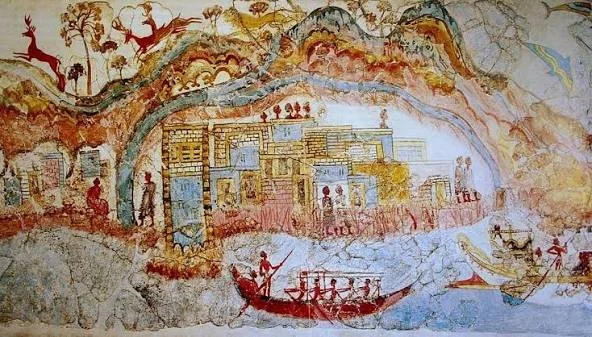
Whether we are watching a Marvel movie or drinking a coffee with a Siren on the cup, we are participating in a cultural tradition that began around a campfire in the Bronze Age. The gods haven't gone away; they’ve just moved into our apps, our cinemas, and our brands.
Which modern retelling of a myth has impacted you the most?