The Cynics, the Skeptics, and the Stoics: The Hellenistic Battle for Peace of Mind
Following the death of Alexander the Great in 323 BCE, the Greek world entered a period of profound uncertainty known as the Hellenistic Age. The collapse of the traditional city-state (polis) left individuals feeling like tiny cogs in a massive, unpredictable imperial machine. In response, three major philosophical schools emerged. They weren't interested in the abstract metaphysics of Plato; they wanted to provide a practical "survival guide" for the human soul. Their goal was Ataraxia—a state of undisturbed tranquility—but their paths to reaching it could not have been more different.
1. The Cynics: The Radicals of the Street
Cynicism was less a set of doctrines and more a performance of protest. Founded by Antisthenes but immortalized by Diogenes of Sinope, the school took its name from kynikos, meaning "dog-like." The Cynic argument was simple: human suffering is caused by the artificiality of civilization. We are miserable because we crave things we don’t need—money, fame, social status, and expensive clothes.
To find freedom, the Cynic practiced Askēsis (rigorous self-discipline) and lived in accordance with Physis (Nature) rather than Nomos (Custom). Diogenes lived in a ceramic jar, begged for food, and famously told Alexander the Great to "get out of his sunlight." By embracing a life that society deemed "shameless," the Cynic proved they were immune to the world's judgments. For them, happiness was the absolute independence of the self.
2. The Skeptics: The Philosophers of "I Don't Know"
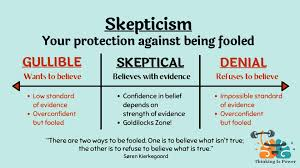
While the Cynics were busy barking at society, the Skeptics were busy questioning the very possibility of knowledge. Founded by Pyrrho of Elis, Skepticism (specifically Pyrrhonism) argued that human senses and reason are fundamentally unreliable. Because we can never truly know the objective nature of reality, making "truth claims" is the primary source of human anxiety.
The Skeptical path to peace was Epochē, or the suspension of judgment. If you stop trying to decide whether death is "bad" or whether a particular political leader is "just," the mental conflict vanishes. Unlike the Cynics, Skeptics didn't necessarily live as outcasts; they often followed local customs and laws simply because it was the path of least resistance. However, internally, they remained uncommitted. By admitting "I don't know," the Skeptic achieved a state of quietude that no amount of certain knowledge could ever provide.
3. The Stoics: The Architects of the Inner Fortress
Stoicism, founded by Zeno of Citium, became the most successful and enduring of the three schools, eventually becoming the unofficial "state philosophy" of the Roman Empire. The Stoics agreed with the Cynics that we should live according to nature, but they defined "nature" as the Logos—the rational order of the universe.
The core of Stoicism is the Dichotomy of Control. A Stoic believes that the only things truly within our power are our own thoughts, intentions, and reactions. Everything else—our health, our wealth, our reputation, and the actions of others—is "external" and "indifferent." By focusing 100% of our energy on our internal character (Virtue), we create an "Inner Fortress" that no external tragedy can penetrate. Whether they were slaves like Epictetus or emperors like Marcus Aurelius, Stoics believed that happiness is not about changing the world, but about changing one's reaction to it.
The Fundamental Difference: A Summary
The difference between these three schools can be seen in how they handle a "bad day." If a Cynic loses their home, they laugh and say they are now closer to nature. If a Skeptic loses their home, they withhold judgment on whether the event is actually "bad," as they cannot know the ultimate outcome of the loss. If a Stoic loses their home, they acknowledge the loss as an external event they cannot control and focus on the virtue they can display in the face of poverty.
In the end, the Cynic sought peace through rebellion, the Skeptic through detachment, and the Stoic through discipline. While their methods varied, all three offered a timeless lesson that remains relevant in our own chaotic modern world: true peace is not found in what you own or what you know, but in how you master your own mind.