Greek mythology is a vast collection of stories that explain the origins of the world, human nature, and the actions of gods and heroes. Building on earlier myths, this continuation explores deeper themes, lesser-known figures, and the lasting influence of these stories.
1. The Olympian Gods and Their Influence
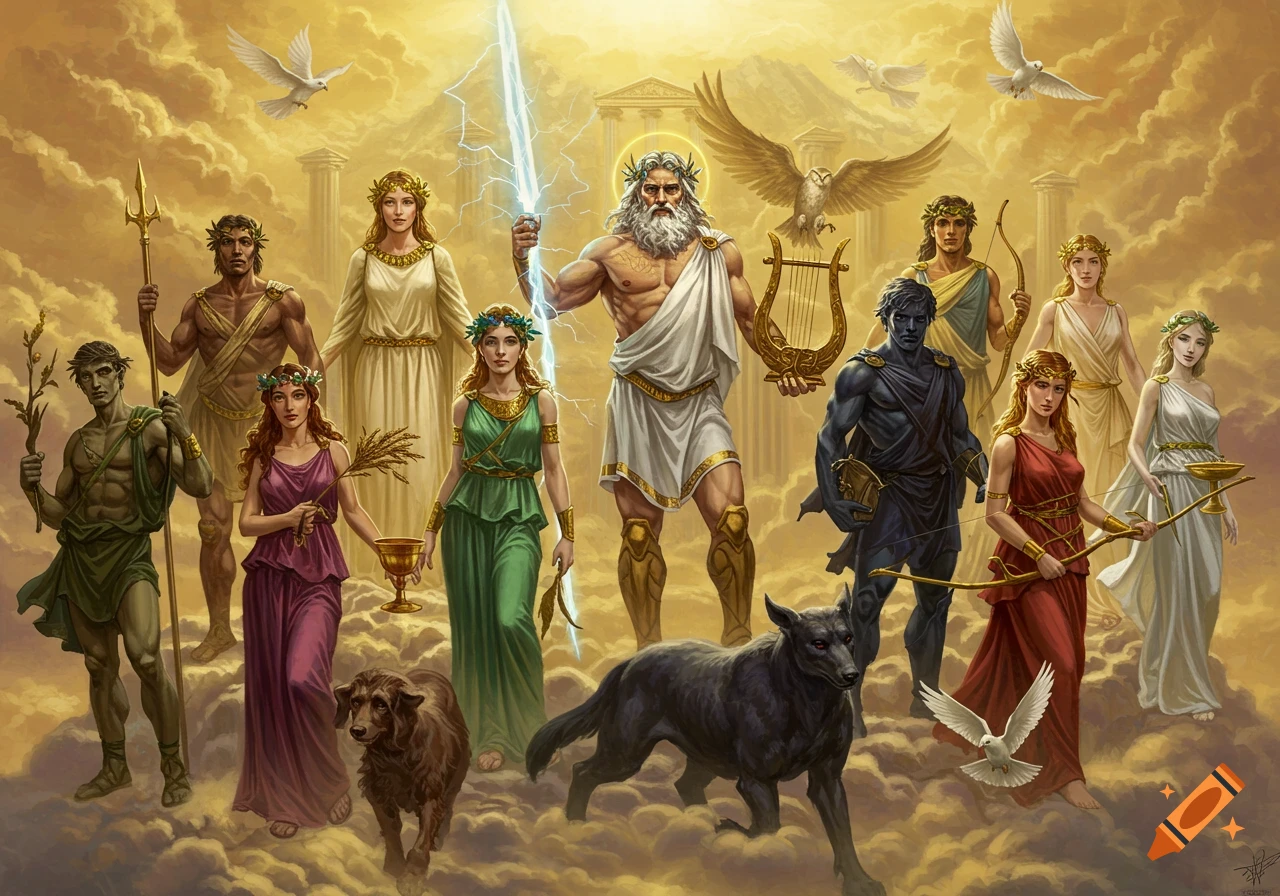
After defeating the Titans, the Olympian gods ruled the world from Mount Olympus.
Zeus – King of the gods, ruler of the sky
Hera – Goddess of marriage and family
Athena – Goddess of wisdom and warfare
Apollo – God of the sun, music, and prophecy
Artemis – Goddess of the hunt
Ares – God of war
Aphrodite – Goddess of love and beauty
These gods often acted like humans—showing jealousy, love, anger, and pride—which made their stories relatable.
2. The Underworld and Afterlife
The Greek view of the afterlife was complex.
Ruled by Hades
Souls crossed the river Styx with the ferryman Charon
Different regions:
Elysium: For heroes and the virtuous
Asphodel Meadows: For ordinary souls
Tartarus: For the wicked
The afterlife reflected moral ideas about justice and consequence.
3. Famous Heroes and Their Journeys
Greek myths often focus on heroes facing great challenges.
Heracles – Known for his Twelve Labors
Perseus – Defeated Medusa
Theseus – Killed the Minotaur
Odysseus – His journey home in the Odyssey
These stories often highlight courage, intelligence, and perseverance.
4. Mythical Creatures
Greek mythology is filled with fascinating creatures.
Medusa – Turns people to stone
Minotaur – Half-man, half-bull
Cerberus – Three-headed dog guarding the underworld
Pegasus – Symbol of inspiration
These creatures often represent fears, challenges, or natural forces.
5. Themes in Greek Mythology
Greek myths explore timeless human ideas.
Fate vs. Free Will: Even gods could not escape destiny
Hubris (Pride): Excessive pride often led to downfall
Justice and Revenge: Actions had consequences
Love and Betrayal: Common in both gods and humans
These themes make Greek mythology still relevant today.
6. Influence on Modern Culture
Greek mythology continues to shape the modern world.
Literature: Many stories inspire books and poems
Movies and Media: Adaptations in films and series
Language: Words like “narcissism” and “titanic” come from myths
Art and Architecture: Mythological figures appear in sculptures and designs
Even today, these ancient stories remain deeply influential.
7. Myth vs. Meaning
Greek myths are not meant to be taken literally.
Symbolic Stories: Explain natural events and human behavior
Cultural Reflection: Show values and beliefs of ancient Greeks
Moral Lessons: Teach right and wrong through storytelling
They are less about facts and more about meaning.
Conclusion
Greek mythology continues to captivate people because it reflects human nature in all its complexity. From powerful gods to flawed heroes, these stories explore emotions and struggles that are still relevant today.
They remind us that even in a world of gods and monsters, the most important stories are about being human.