The myth of Endymion is one of the most hauntingly beautiful stories in the Greek tradition. It explores the themes of eternal youth, the nature of dreams, and the bittersweet reality of a love that can never truly be shared between a mortal and a deity.
Unlike many myths that involve frantic chases or violent ends, the story of Endymion is defined by stillness, silence, and the silver light of the moon.
1. The Shepherd of Mount Latmos
Endymion was a mortal man, often described as a handsome young shepherd or, in some versions, a king of Elis. He spent his nights on the slopes of Mount Latmos (in modern-day Turkey) tending his flocks.
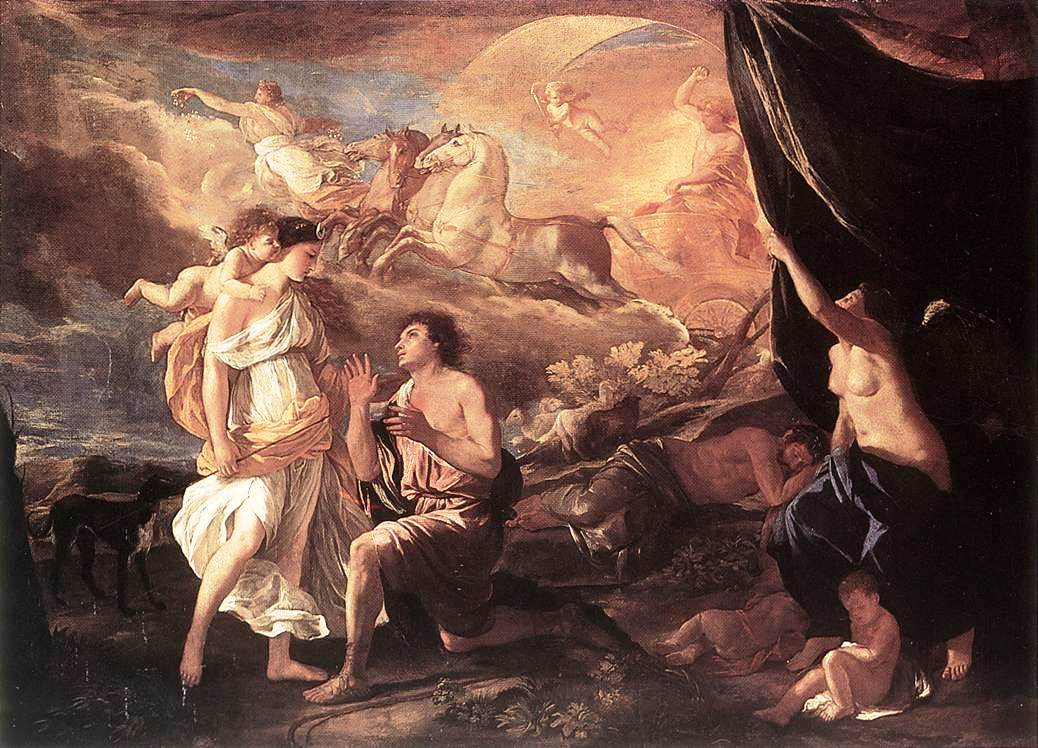
The Vision of Beauty: Endymion was said to be so stunningly beautiful that even the gods took notice. However, it was Selene, the Titan goddess of the Moon, who became utterly entranced by him as she drove her silver chariot across the night sky.
2. The Moon’s Obsession
As Selene gazed down from the heavens, she found herself unable to resist the young shepherd. Night after night, she would descend from the sky to visit him while he slept in a cave on the mountainside.
The One-Sided Love: Selene loved Endymion for his beauty and the peacefulness of his slumber. However, she was pained by the knowledge that as a mortal, he would eventually age, wither, and die, leaving her alone in her immortality.
3. The Gift of Eternal Sleep
To preserve him forever, a deal was struck with Zeus. In most versions, Selene begged Zeus to grant Endymion eternal life so they could be together forever.
The Terms of Immortality: Zeus granted the request, but with a unique condition: Endymion would have eternal youth and immortality, but he would spend it in an eternal, deathless sleep.
The Cave of Latmos: He was placed in a perpetual trance in his cave. He would never age, never grow ill, and never wake up. He became a living statue, a perfect vessel of beauty frozen in time.
4. The Fifty Daughters
Despite Endymion being asleep, the myth takes a surreal turn. Selene continued to visit him every night in the darkness of the cave.
The Menae: According to the myth, the union between the goddess of the moon and the sleeping shepherd produced fifty daughters, known as the Menae.
Symbolism of Time: These fifty daughters represent the fifty lunar months that make up the four-year cycle of the ancient Greek Olympiad, linking the myth of the "eternal sleeper" to the literal measurement of time and the calendar.
5. Artistic and Literary Legacy
The image of the "Eternal Sleeper" has resonated with poets and artists for millennia:
John Keats: The famous opening line, "A thing of beauty is a joy for ever," comes from his epic poem Endymion. Keats reimagined the shepherd as a symbol of the human soul seeking an ideal, unattainable beauty.
The Sarcophagus Theme: In Roman times, the myth was a favorite subject for stone carvers. Many Roman sarcophagi (coffins) depict the sleeping Endymion, symbolizing the hope that the deceased was not "dead," but merely sleeping an eternal, peaceful sleep, watched over by the divine.
6. Philosophical Meaning: The Price of Perfection
The myth of Endymion serves as a profound meditation on the "ideal." By granting him immortality through sleep, the gods gave him everything—youth, beauty, and safety—but took away his consciousness.
The Paradox: Endymion is "perfect," but he is no longer truly alive. He cannot return Selene’s love, he cannot speak, and he cannot experience the world. He represents the danger of the "frozen moment"—the idea that to keep something perfect forever, you must effectively kill its ability to change or grow.
The story of Endymion reminds us that the moon’s light is beautiful precisely because it is fleeting, and that life’s value often lies in the very mortality that Selene tried to bypass.