The Greek Attitude Toward Death and the Afterlife
In ancient Greece, death was viewed not as an end, but as a somber and inevitable transition from the realm of the living to the realm of the dead. The Greek attitude toward the afterlife was complex, shaped by a deep respect for funeral rituals and a belief in a shadowy, subterranean existence that mirrored the uncertainties of human life.
1. The Geography of the Underworld: Hades
Upon death, the soul (or psyche) was believed to separate from the body and travel to Hades, the subterranean kingdom of the dead. This realm was structured into distinct regions based on the life an individual had lived.
The River Styx and Charon: The boundary between the living and the dead. To cross, the soul required a coin (the obol) placed in the mouth of the deceased to pay the ferryman, Charon. Those left unburied were condemned to wander the riverbanks for a hundred years.
The Asphodel Meadows: The destination for the majority of ordinary people. This realm was a neutral, shadowy existence where souls floated as phantoms, largely stripped of their earthly memories and personalities.
Tartarus: The deepest abyss of the underworld, serving as a place of punishment for the wicked, oath-breakers, and profound enemies of the gods.
Elysium (The Elysian Fields): A sunlit, joyful paradise reserved for the virtuous, heroes, and individuals favored by the gods.
2. The Importance of Burial Rites
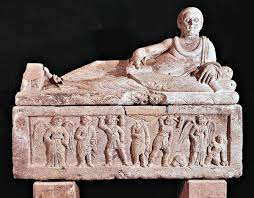
For the ancient Greeks, the transition from life to death depended heavily on the proper execution of burial rites, collectively known as the nomima (customs). Neglecting these rites was considered a grave offense to the gods and a tragedy for the deceased.
Prothesis (The Laying Out): The body was washed, anointed with olive oil, dressed in fine garments, and laid out for one or two days for family and friends to pay their respects.
Ekphora (The Procession): Before dawn, the body was transported in a procession to the cemetery located outside the city walls, preventing the pollution (miasma) of the living space.
Cremation or Inhumation: Depending on the period and region, the body was either burned on a funeral pyre or buried in a wooden or terracotta coffin.
3. The Cult of the Dead and Remembrance
The Greeks maintained a strong, ongoing connection to their ancestors through regular offerings and remembrance at the grave.
Funerary Offerings: Families visited graves on specific days (such as the Anthesteria festival) to leave libations of wine, milk, and honey, as well as food and flower garlands.
The Heroic Legacy: Immortality in Greek culture was often achieved not in the afterlife, but in the living world through kleos (glory) and memory, ensuring the deceased was never forgotten.
"For the ancient Greek, a life worth living was one that left an indelible mark on the community and was celebrated through song and memory."
4. Mysteries and the Promise of a Better Fate
Because the standard afterlife in the Asphodel Meadows was viewed as dismal, many Greeks turned to mystery cults that promised a more personal and rewarding existence after death.
The Eleusinian Mysteries: Initiated followers were promised a blissful afterlife and a favored position in the Underworld, alongside a richer reunion with loved ones.
The Orphic Mysteries: Followers believed that through ritual purification, the soul could break the cycle of reincarnation and achieve divine status.