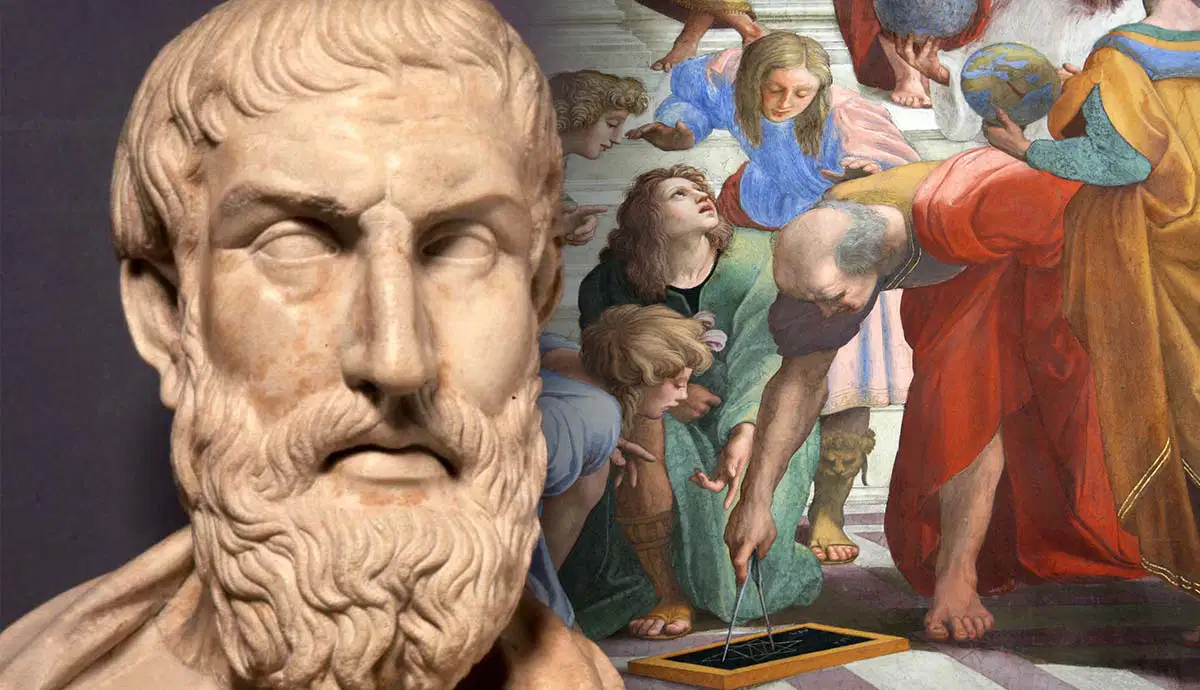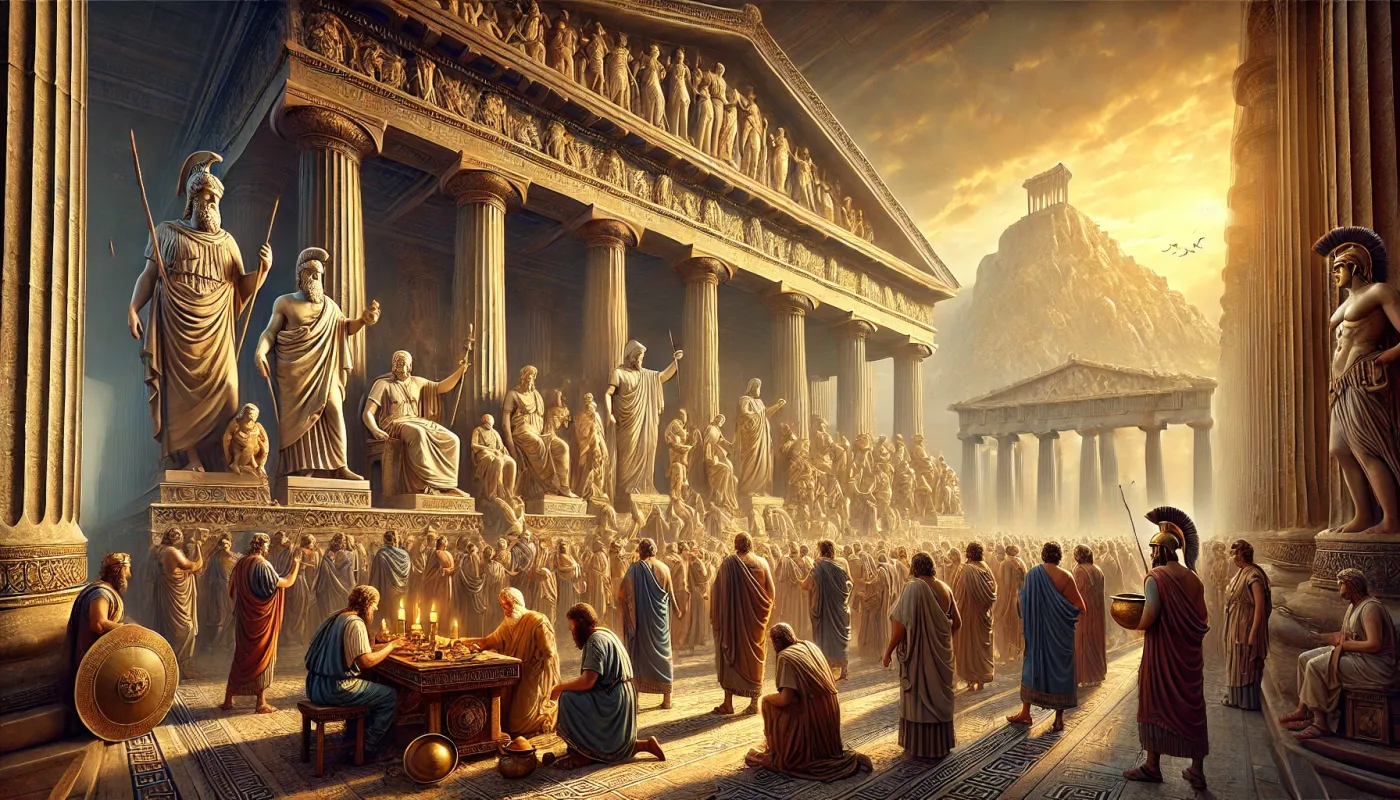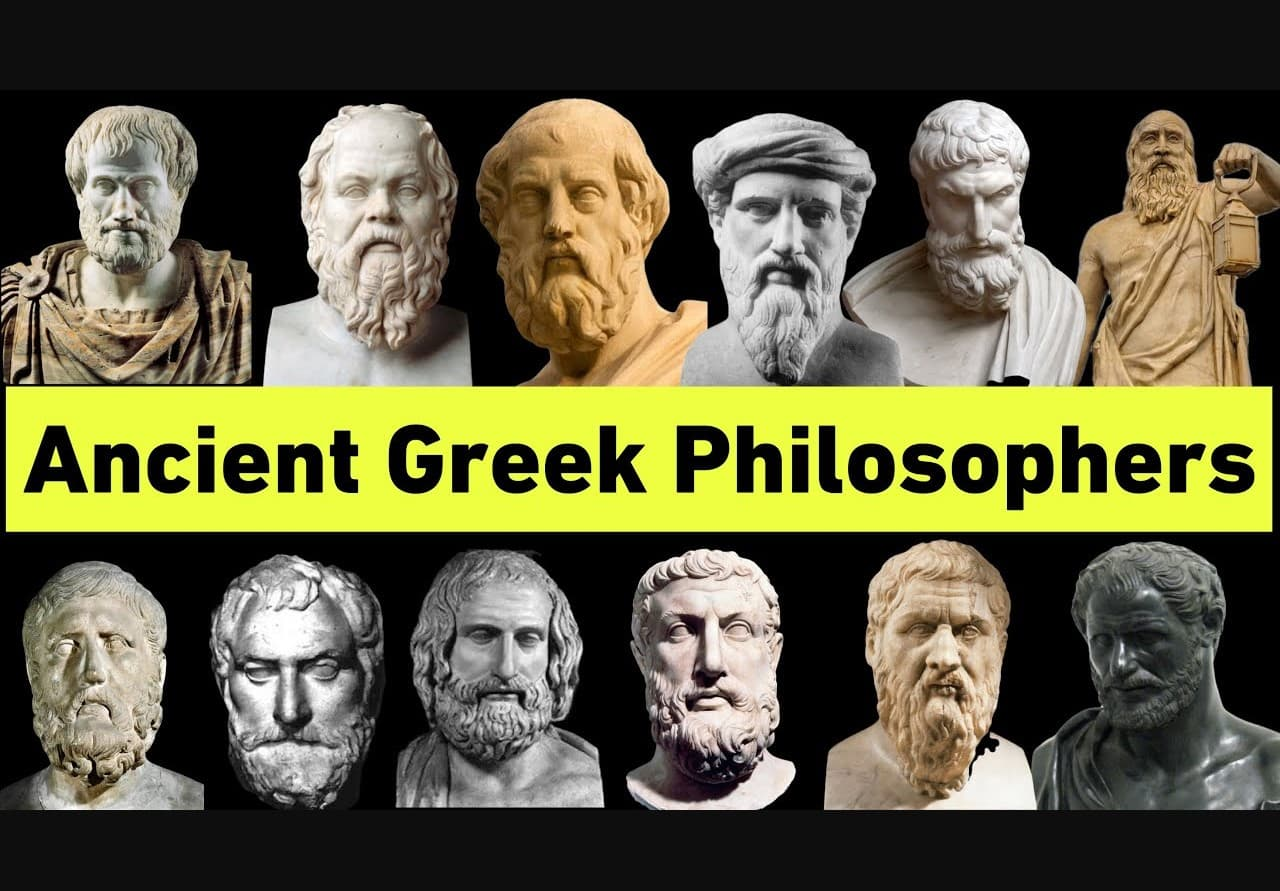
The intellectual bedrock of modern Western political systems—including democracy, republicanism, and the rule of law—was systematically quarried by Greek philosophers. They were the first to move political discourse away from the whims of hereditary autocrats and toward the rigorous analysis of justice, civic participation, and the nature of the state itself.
1. The Athenian Foundation: Participation and the Polis
While modern democracy is representative rather than direct, the Athenian experiment remains the spiritual origin of political accountability.
Protagoras and the Democratic Mandate: The Sophists, particularly Protagoras, challenged the idea that ruling was a natural right of the elite. He argued that political virtue is teachable and that every citizen possesses the capacity to participate in the polis. This established the radical idea that the legitimacy of a government derives from the informed consent and participation of the governed.
The Polis as a Moral Entity: Aristotle’s Politics defined the state not merely as a mechanism for tax collection or defense, but as a deliberate association formed for the sake of the "good life." This concept—that the state has an ethical obligation to foster the well-being of its citizens—is the direct ancestor of modern social contract theory and the welfare state.
2. Plato and the Dangers of Unchecked Democracy
Plato’s Republic is perhaps the most influential, yet controversial, political text in history. By highlighting the fragility of democracy, he forced future thinkers to confront the necessity of institutional guardrails.
The Cycle of Regimes: Plato mapped the transition from democracy to tyranny, arguing that when a democracy prioritizes unrestrained freedom and demagoguery over wisdom, it inevitably collapses into authoritarianism. This analysis heavily influenced the American Founding Fathers, who, fearful of "mob rule," built a system of checks and balances and a representative legislature precisely to avoid the pitfalls Plato identified.
The Philosopher-King: Plato’s insistence that political power should be tied to wisdom and expertise introduced the concept of the meritocratic state—a tension that persists in modern debates between technocracy and popular will.
3. Aristotle and the Rule of Law
If Plato was the dreamer of the ideal state, Aristotle was its first political scientist. His empirical study of over 150 Greek constitutions established the foundation for constitutionalism.
The Rule of Law (Nomos): Aristotle famously argued that "the law should govern" rather than any individual. He recognized that human rulers are inherently biased and fallible, and that the only safeguard against corruption is a set of permanent, written laws that apply to everyone, regardless of their status. This is the cornerstone of modern Western jurisprudence.
The "Mixed" Constitution: Aristotle advocated for a blend of democratic, oligarchic, and monarchical elements to ensure stability. This concept of the "mixed regime" is the direct precursor to the separation of powers. By balancing the interests of different social classes within the government, the state could prevent any single group from seizing total control.
4. Stoic Universalism and Human Rights
The Stoic school, led by Zeno of Citium and later thinkers like Marcus Aurelius, introduced a radical concept that expanded political thought beyond the borders of the city-state: Universalism.
Cosmopolitanism: The Stoics argued that because all humans possess the faculty of reason, we are all citizens of a single, universal community (the kosmopolis). This broke the ethnic and geographic barriers of the polis, introducing the revolutionary idea of universal human dignity. This is the philosophical progenitor of modern human rights frameworks, such as the UN Declaration of Human Rights, which posits that rights are inherent to the individual, not granted by the state.