How Ancient Greeks Built Their Warships
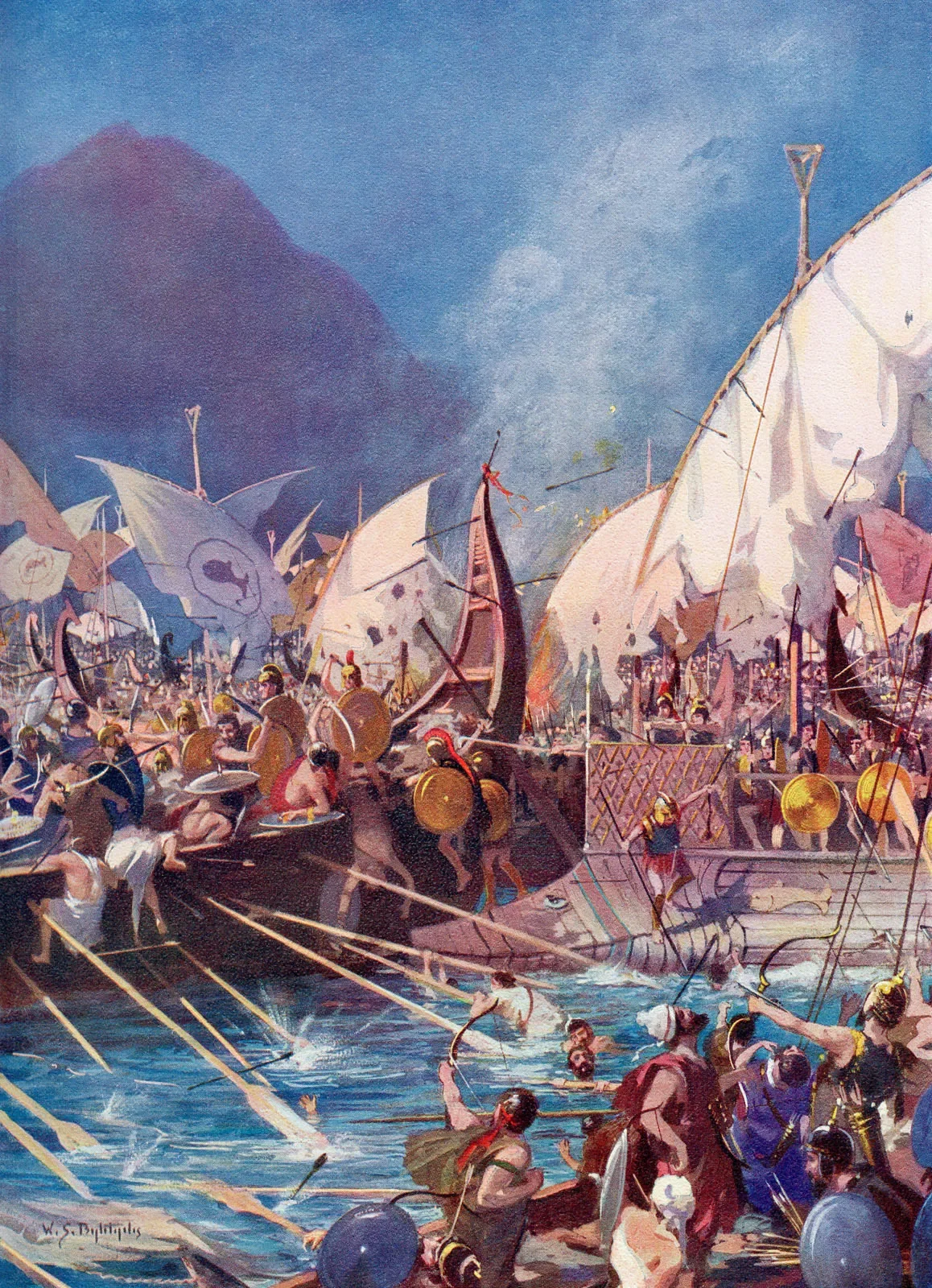
The ancient Greek warship, most famously the trireme (trieres), was a marvel of ancient engineering. Combining speed, maneuverability, and devastating ramming power, these vessels dominated the Mediterranean Sea for centuries. Building them required specialized carpentry, vast resources, and a deep understanding of hydrodynamics.
1. Design and Dimensions
The trireme was designed for one primary purpose: speed and the ability to ram enemy ships.
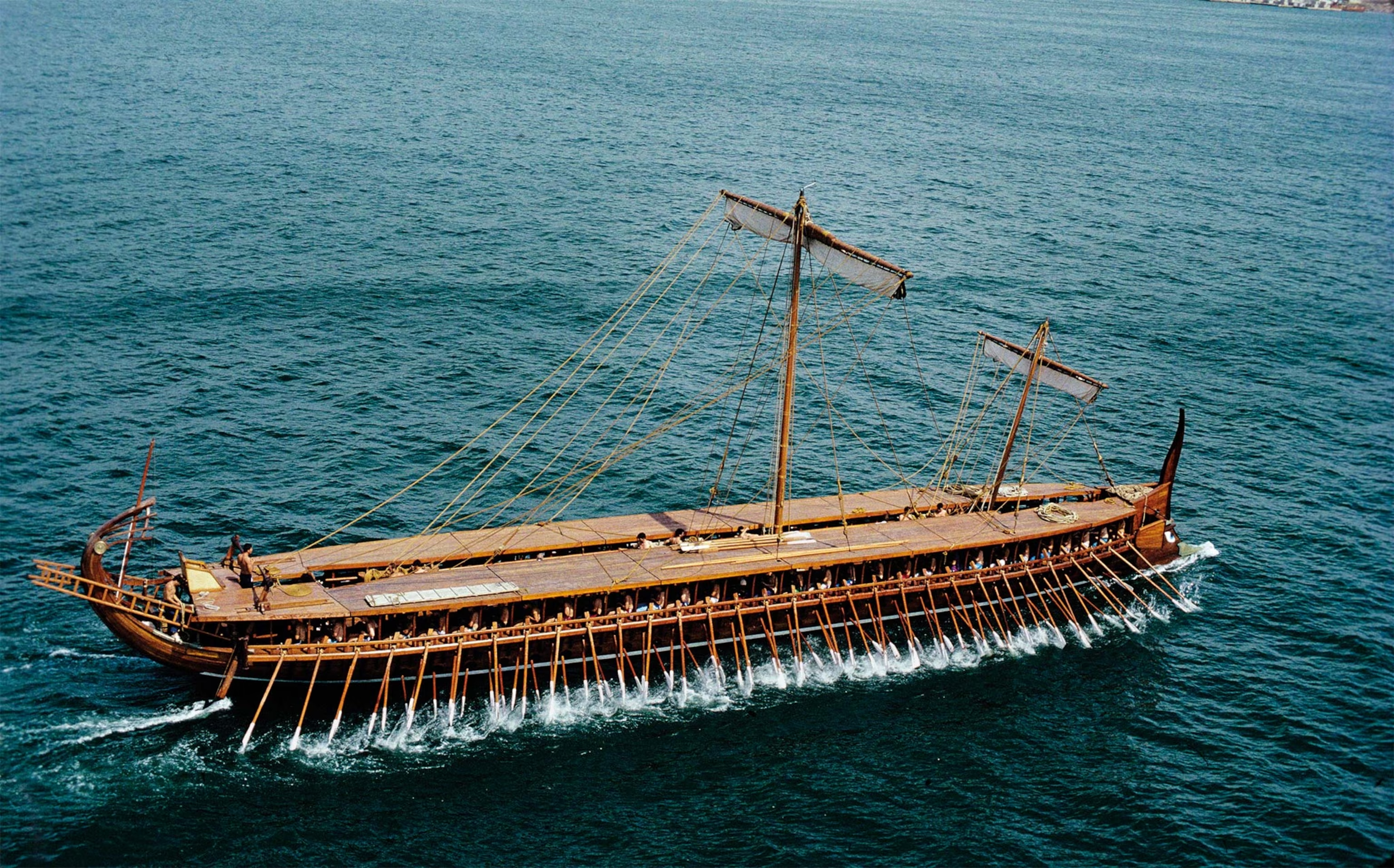
Length and Width: A standard trireme was about 37 meters (120 feet) long and roughly 5.5 meters (18 feet) wide at the beam.
The Three Tiers of Oars: The name "trireme" comes from the three rows of oars on each side, rowed by 170 rowers arranged in staggered, overlapping tiers.
Lightweight Construction: To achieve speeds of up to 9 knots, the hulls were built to be as light and flexible as possible, constructed primarily from softwoods like fir or pine.
2. Shipbuilding Techniques: Shell-First
Unlike modern ships that build a skeleton first and add planking, ancient Greek shipwrights used a shell-first construction method.
The Keel: The backbone of the ship, usually made of durable oak or beech, was laid first to provide structural integrity.
Mortise and Tenon Joints: The hull planks were joined edge-to-edge using closely spaced mortise and tenon joints, locked together with wooden pegs. This made the hull flexible, allowing it to absorb the violent shock of waves and ramming without breaking apart.
The Hypozoma (The Hogging Truss): Because the ship was long and light, it tended to bend in the water. To prevent the hull from sagging, the Greeks used the hypozoma—a thick, heavy rope stretched from the bow to the stern under tension to keep the structure rigid.
3. The Ram (Embolon)
The primary weapon of the trireme was not the crew's weapons, but the prow of the ship itself.
Bronze Cladding: The prow was fitted with a heavy timber extension covered in a bronze casing, known as the embolon.
Tactics: The ram was designed to strike the side of an enemy ship below the waterline, shearing the oars and ripping a hole in the hull, which caused the enemy vessel to sink rapidly.
Construction: The ram was secured with heavy bronze bolts into the ship's reinforced, interlocking prow timbers so the impact wouldn't tear the ship apart.
4. Propulsion and Rigging
The propulsion system of a trireme relied on both human power and the wind, depending on the phase of the operation.
Rowers: The 170 oarsmen sat in three tiers, with the highest tier (thranites), middle tier (zygites), and lowest tier (thalamites) working in perfect rhythm.
The Mast and Sail: Triremes carried two sails (a large square main and a smaller sail) used for traveling long distances or chasing winds. Before combat, the main mast and sails were taken down, leaving the vessel to operate entirely on human power for maximum maneuverability.
5. Materials and Resource Demands
Constructing a fleet of triremes was a massive logistical undertaking for a city-state like Athens, requiring enormous amounts of timber and specialized labor.
Timber Requirements: Building a single trireme required approximately 6,000 to 7,000 trees (often fir from the Macedonian forests or silver fir from the Corinthian Gulf).
Cost: The construction and maintenance of these ships were funded by the wealthy elite through a taxation system called the trierarchy, where a wealthy citizen equipped the ship for a year.
Lifespan: Because of the lightweight wood used, the ships were vulnerable to rot and shipworm, meaning a trireme had a relatively short lifespan and required continuous repair and maintenance.
Summary of Trireme Construction
Architecture: 37 meters long, housing 170 rowers over three tiers.
Hull Integration: Built shell-first using mortise and tenon joints, bound with a hypozoma rope truss for longitudinal strength.
Offensive Feature: A heavy bronze ram (embolon) mounted at the bow, designed to pierce hulls and snap oars.