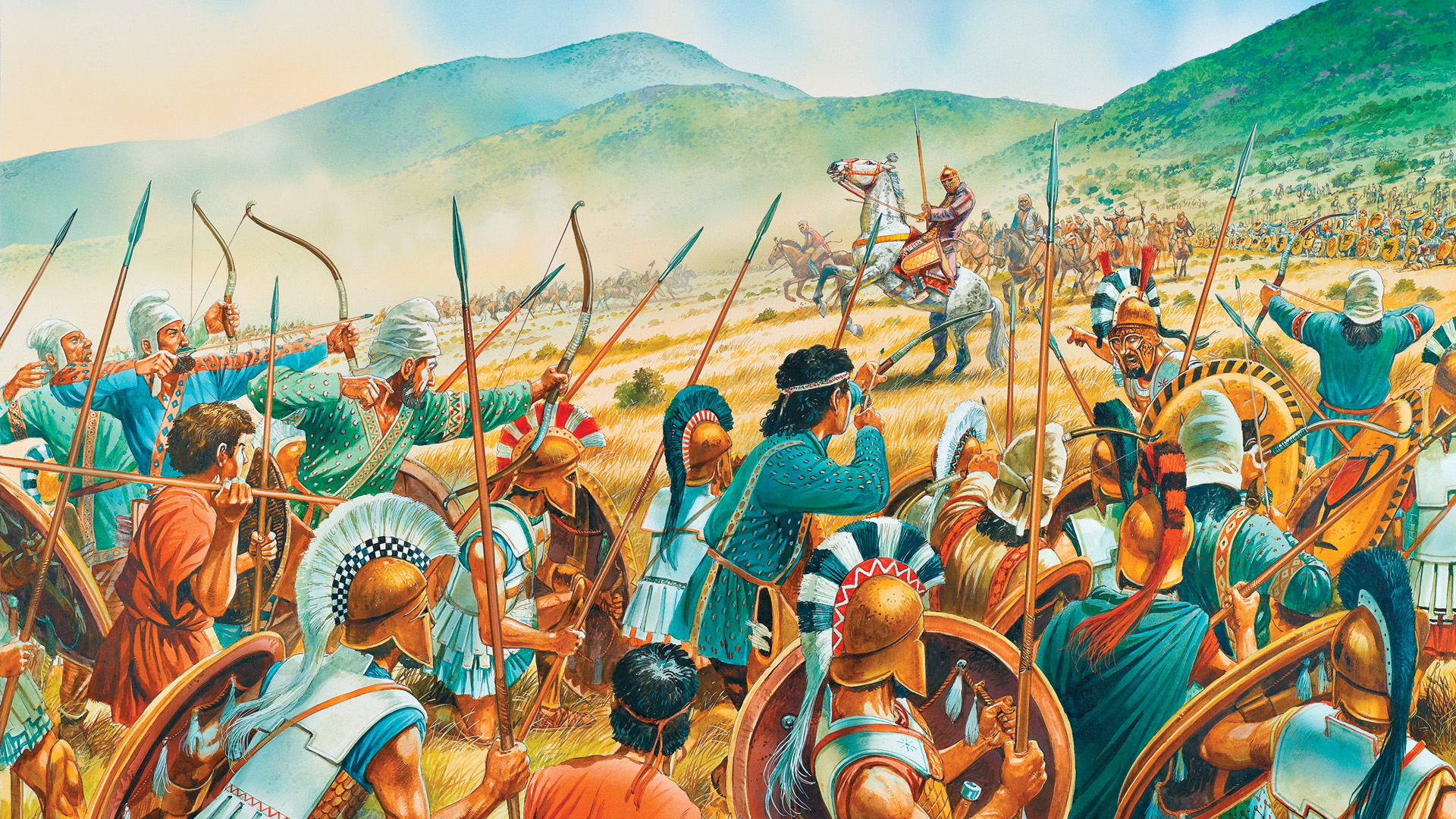
The Battle of Plataea: The Final Defeat of Persia
In 479 BCE, the allied Greek city-states and the Persian Empire clashed on the plains of Boeotia in the Battle of Plataea. This historic engagement was the final major land battle of the second Persian invasion of Greece, permanently ending Xerxes' ambitions of conquest in Europe.
1. The Historical Context
Following the naval victory at Salamis in 480 BCE, King Xerxes I retreated to Asia, leaving his general Mardonius behind with a significant portion of the army.
The Winter Standstill: Mardonius spent the winter attempting to split the Greek alliance. He even offered Athens peace and an alliance, which the Athenians firmly rejected.
The Campaign of 479 BCE: Mardonius moved his army into Boeotia, preparing to confront the united Greek force.
2. Opposing Forces and Leadership
The Battle of Plataea saw the largest allied Greek army assembled up to that point.
The Persian Forces: Commanded by Mardonius, the army consisted of tens of thousands of seasoned Persian troops (including the elite Immortals) as well as allied Greek contingents.
The Greek Coalition: Led by the Spartan regent Pausanias, the Greek forces included the elite Spartan hoplites, Athenians, Corinthians, and Tegeans.
3. The Standoff and Tactical Maneuvers
The armies faced each other near the city of Plataea for nearly two weeks, engaging in skirmishes and supply-line warfare.
Cavalry Harassment: The Persian cavalry continuously harassed the Greek lines, cutting off the Greeks' supply of food and polluting the Asopus River, which served as the primary water source.
The Disastrous Retreat: Facing starvation and dehydration, Pausanias ordered a chaotic nighttime withdrawal to better ground near the city. This maneuver resulted in a fragmented Greek line the next morning.
4. The Climax of the Battle
Seeing the Greek forces apparently retreating, Mardonius ordered a full-scale charge across the Asopus River.
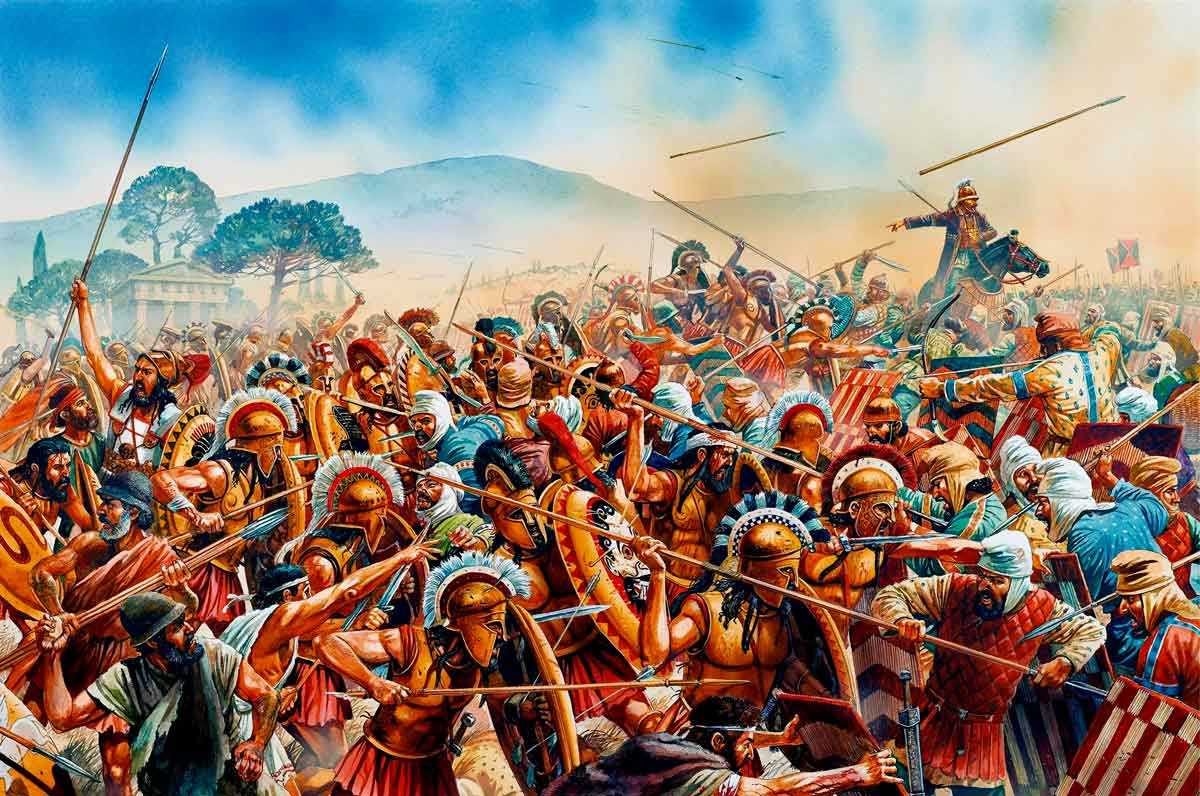
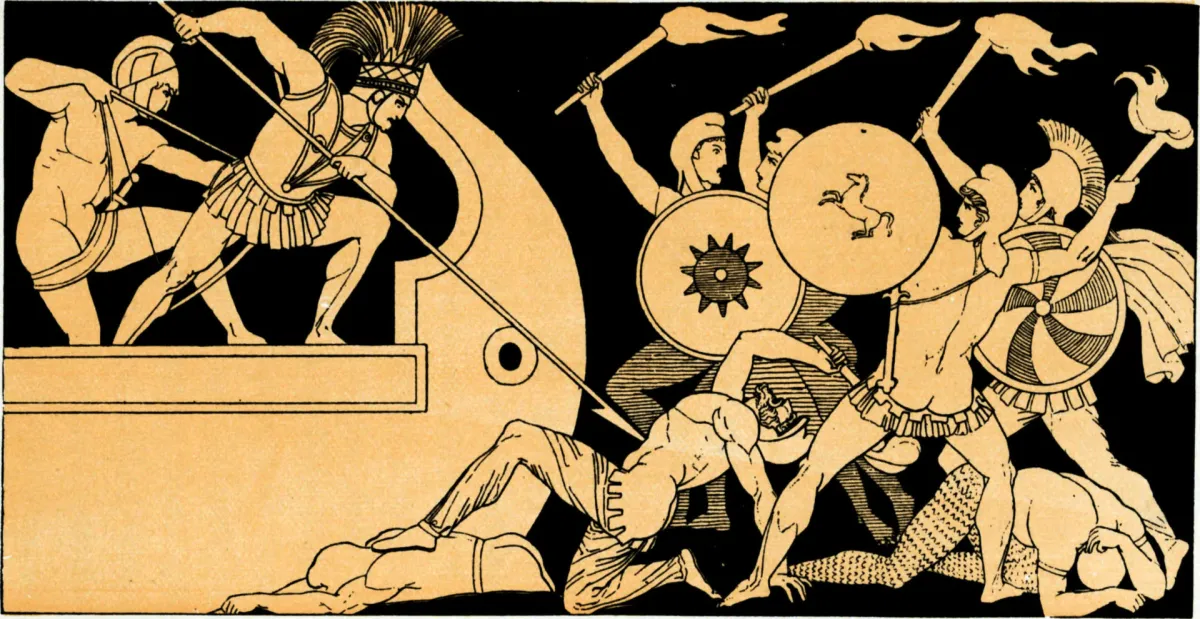
The Spartan Stand: Pausanias sent messengers to the Athenians to coordinate. The Spartan and Tegean hoplites held their ground against the Persian cavalry and archers while enduring a hail of missiles.
The Charge of the Hoplites: Pausanias made the "Black Sacrifice" and gave the order to advance. The dense Spartan and Tegean phalanx smashed through the Persian wicker shield wall (spara).
Death of Mardonius: Mardonius was killed by a Spartan stone, causing his forces to break and retreat to their fortified camp, which was subsequently stormed by the Greeks.
5. Significance and Aftermath
The victory at Plataea effectively ended the Persian land threat against the Greek mainland, shifting the momentum of the war.
Elimination of the Threat: The destruction of the Persian army, combined with the naval victory at Mycale on the very same day, liberated the Ionian Greek cities.
The Golden Age: With the threat of foreign conquest removed, the Greek world entered a period of stability that allowed the cultural flourishing of the Classical era.