The Role of Mercenaries in Greek Warfare
While ancient Greek warfare is often defined by the civic duty of the hoplite phalanx, mercenaries played a crucial and transformative role in Mediterranean conflicts. As the Classical period progressed, armies shifted from reliance on traditional citizen-militias to employing professional soldiers-for-hire, fundamentally changing the nature of warfare.
1. The Shift from Citizen to Mercenary
In the Archaic and early Classical periods, Greek warfare relied on citizens fighting to defend their own city-states (polis). However, by the end of the 5th century BCE, this model began to break down.
Economic Displacement: The Peloponnesian War (431–404 BCE) left many farmers and citizens impoverished or displaced, leaving them with few options other than selling their military skills.
Specialization: City-states recognized the need for specialized troops (like archers or slingers) that their local populations could not provide.
Xenophon’s Ten Thousand: The expedition of the Ten Thousand, a Greek mercenary army hired by Cyrus the Younger in 401 BCE to overthrow his brother, demonstrated the immense fighting capability of professional Greek soldiers far from home.
2. Specialized Mercenary Forces
Since mainland Greece was not uniform in its military capabilities, different regions became known for supplying specific types of mercenary troops:
Arcadians: Famous for their hoplite warfare skills, many Arcadians came from poor, mountainous regions and served various states across the Mediterranean.
Cretans: Renowned as elite archers, they utilized powerful composite bows and were frequently hired to provide long-range support.
Rhodians: Celebrated for their long-range slingers who could cast lead bullets with lethal precision and range.
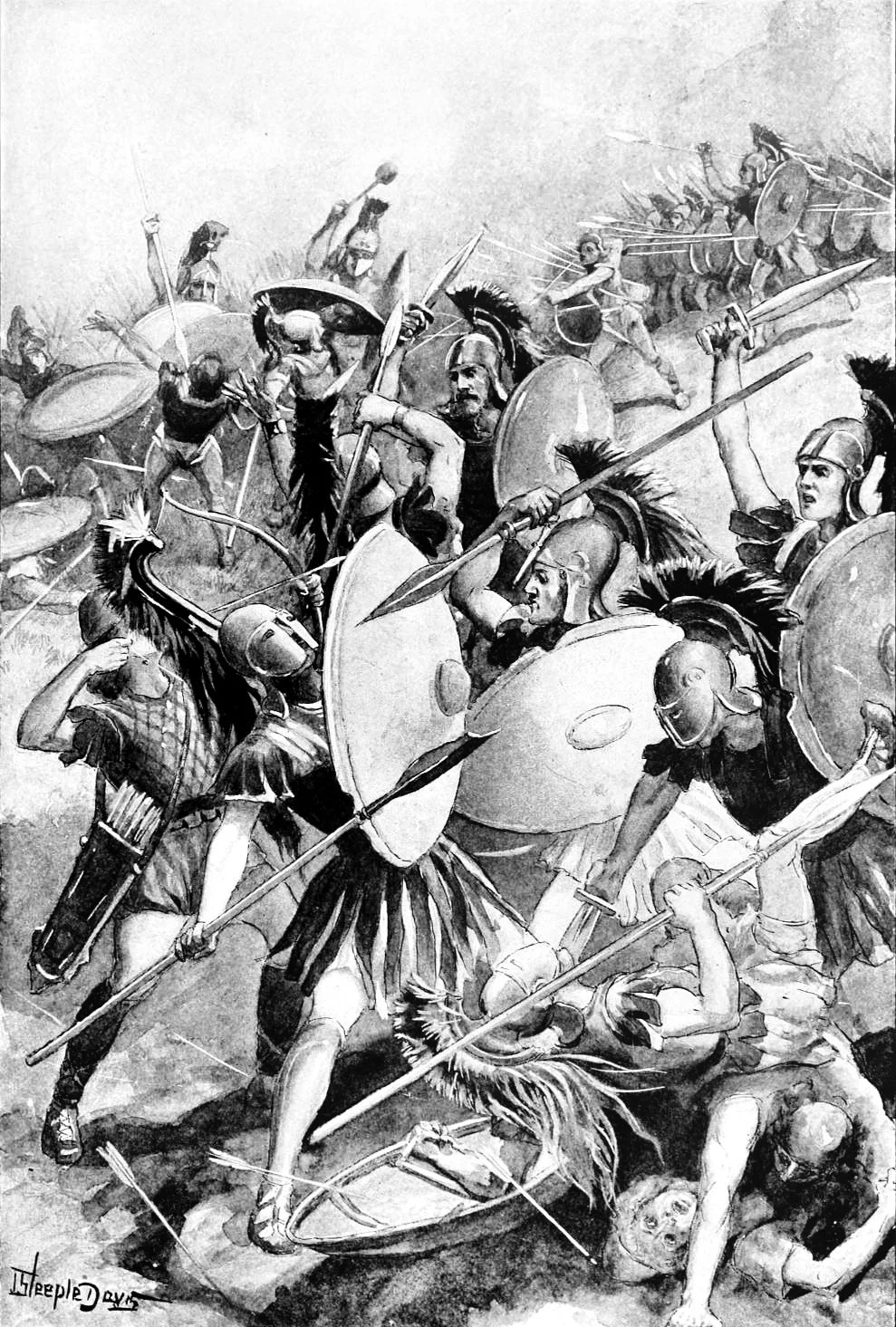
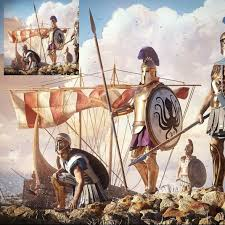
Thracians (Peltasts): Light, javelin-armed infantry (peltasts) who used hit-and-run tactics to harass heavy hoplites.
3. Core Tactical Roles
Mercenaries brought tactical flexibility to an army constrained by traditional hoplite formations.
Complementing the Phalanx: Mercenary peltasts and light infantry protected the vulnerable flanks of the heavy hoplite phalanx.
Overcoming Difficult Terrain: In broken or mountainous terrain where rigid hoplite lines could not form, flexible mercenary units could engage the enemy effectively.
Siege Warfare and Defense: Mercenaries were often employed for long-term campaigns and defensive operations, relieving citizens from the burden of extended sieges abroad.
4. The Hellenistic Professional Army
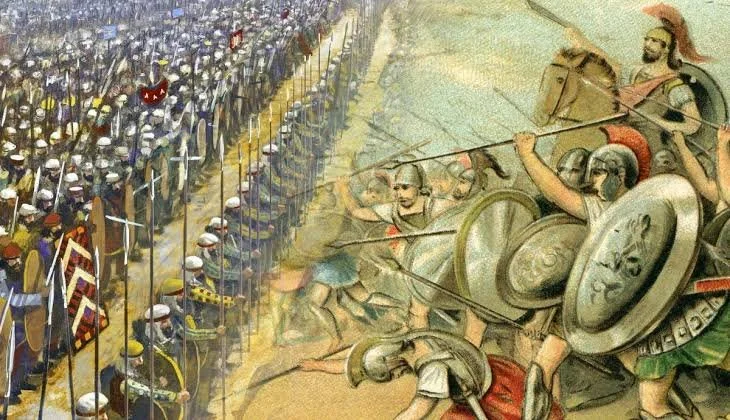
By the 4th century BCE, the reliance on mercenaries evolved into a highly integrated combined-arms system, popularized by Philip II of Macedon and Alexander the Great.
Integration of Professionals: Hellenistic monarchs combined native levies with elite foreign mercenaries to create versatile, professional standing armies.
Financial Backing: Large-scale mercenary operations were funded either by wealthy empires—such as the Persian satraps—or the wealthy treasuries of the Hellenistic kingdoms.