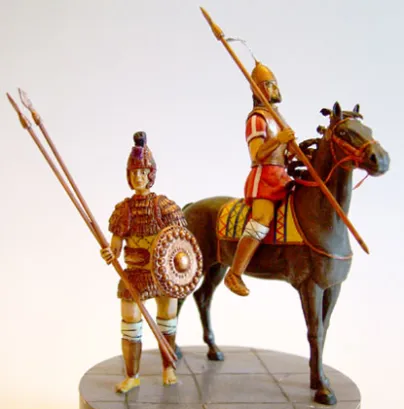
The Role of Cavalry in Ancient Greek Warfare
While ancient Greek warfare is often dominated in the popular imagination by the heavy hoplite phalanx, cavalry played a vital, evolving role on the battlefield. From aristocratic scouts to the decisive shock troops of Alexander the Great, horsemen provided the mobility and tactical flexibility needed to win campaigns.
1. The Classical Period: A Limited Battlefield Presence
In the Archaic and Classical periods (8th to 4th centuries BCE), the rugged terrain of Greece and the high cost of maintaining horses limited the widespread use of large cavalry forces.
The Aristocratic Elite: Cavalry was primarily made up of the wealthy classes—known as the hippeis—who could afford to breed, equip, and feed a mount.
Lack of Stirrups: Without stirrups or rigid saddles, true shock combat (charging directly into massed infantry) was extremely difficult, as riders risked being knocked from their horses.
Terrain Limitations: The rocky and mountainous Greek terrain favored infantry, making it difficult to deploy large formations of horses effectively.
2. Core Battlefield Duties and Tactics
Instead of charging head-on into dense blocks of spearmen, early Greek cavalry focused on supporting roles that protected the infantry and disrupted enemy movements.
Reconnaissance: Acting as the eyes and ears of the army, horsemen scouted terrain and tracked the enemy's movements before the main engagement.
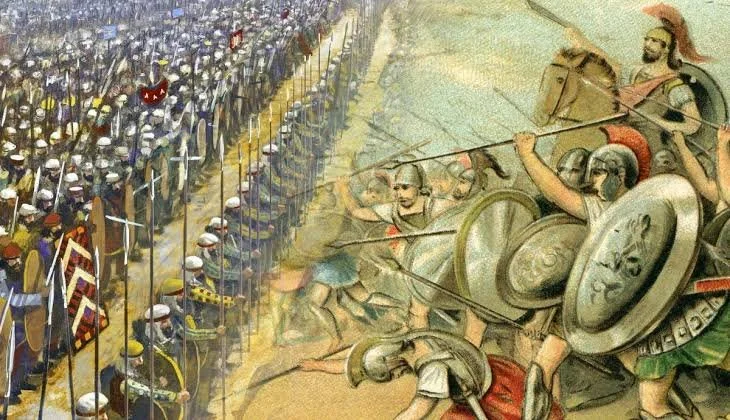
Flank Protection: Cavalry units were stationed on the wings of the phalanx to protect heavy infantry from being outflanked.
Skirmishing and Harassment: Riders threw javelins or used hit-and-run tactics to break up enemy lines and keep light infantry at bay.
Pursuit and Screening: When an enemy line broke, cavalry was essential for running down fleeing soldiers or covering the retreat of their own forces.
3. Regional Traditions
Not all city-states treated cavalry equally. Geography and cultural traditions meant that some regions produced exceptional mounted units:
Thessaly: Renowned for producing the best cavalry in Greece. Thanks to the wide, flat plains of the region, the Thessalians developed advanced maneuvers, such as the famous rhomboid formation, and were frequently hired as elite mercenaries.
Athens: Maintained a permanent corps of about 1,000 riders by the 5th century BCE. They were used extensively for border patrols, suppressing rebellions, and defensive actions.
Sparta: Traditionally neglected their mounted forces, relying almost entirely on their elite hoplites.
4. The Macedonian Revolution: Combined Arms
The fourth century BCE marked a dramatic shift in how cavalry was used in Greece, largely driven by the kingdom of Macedon under Philip II and Alexander the Great.
The Companion Cavalry (Hetairoi): The elite heavy cavalry of Macedon acted as a formidable shock weapon. Armed with the xyston (a long cornel-wood thrusting spear), they charged at the decisive moment of battle.
The Wedge Formation: Utilized to pierce infantry formations, allowing deep penetration into enemy ranks.
Combined-Arms Tactics: The Macedonians integrated light skirmishers, heavy phalangites, and shock cavalry to pin the enemy with infantry while the cavalry exploited weaknesses and struck the flanks.
5. Strategic Legacy and Limitations
Understanding cavalry operations helps explain several significant turning points in Greek military history:
Vulnerability: When deployed incorrectly or left unsupported, cavalry could be vulnerable to javelins and agile light infantry.
Strategic Value: The mobility of horsemen became vital for protecting agricultural land from raiders, a key strategic concern throughout the Peloponnesian War.