The Role of Archery in Greek Armies
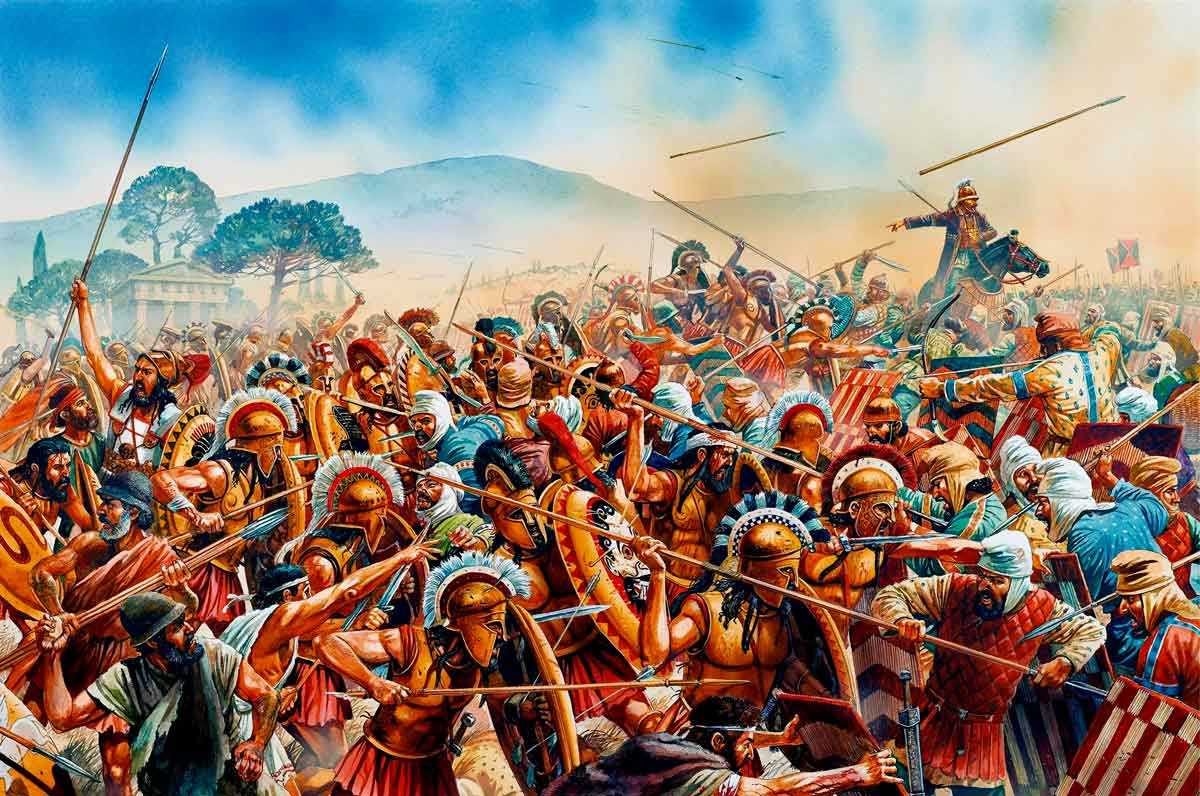
While the heavy hoplite phalanx is the most famous aspect of ancient Greek warfare, the use of archery played a vital and evolving role on the battlefield. From Classical prejudices to the highly effective combined-arms tactics of the Hellenistic period, archers were essential to an army's tactical flexibility.
1. The Classical Period: Toxotai and Social Stigma
During the Classical period (5th to 4th centuries BCE), the prevailing Greek military doctrine favored close-range combat, which led to a complex relationship with missile troops.
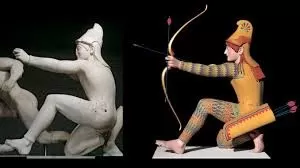
The Toxotai: Archers in Greek armies, known as toxotai, were typically recruited from the lower classes or were non-citizen residents. In Athens, the state also employed public slaves (the "Scythian archers") to act as a police force and as archers in battle.
Social Perception: Classical society often viewed archery with prejudice. Because hoplites were expected to stand their ground and face the enemy directly, missile units were sometimes viewed as cowardly for fighting from a distance.
Naval and Defensive Roles: Despite this stigma, archers were heavily utilized on ships, such as triremes, to target the enemy's helmsman or marines, as well as on city walls during sieges to repel attacks.
2. Cretan Mercenaries: Elite Archers
Because mainland Greeks had relatively few native archers, armies regularly hired skilled mercenaries, most notably from the island of Crete.
Composite Bows: Cretan archers used powerful composite bows made from wood, horn, and sinew. This construction gave their weapons a longer range and higher velocity than the simple wooden bows of mainland Greece.
Versatility in Combat: Unlike regular light infantry, Cretans often carried a small shield (pelte) and a short sword. This allowed them to switch to close-quarters combat if they were attacked.
Tactical Employment: They were highly sought after and served in the armies of many different city-states and kingdoms, including the armies of Alexander the Great.
3. Core Tactical Roles
Archers were not used to break heavily armored infantry lines, but to perform critical supporting tasks:
Fending Off Cavalry: Archers were a highly mobile and effective way to harass or keep enemy cavalry at a distance, particularly on uneven ground.
Skirmishing: They were used to harass opposing light troops, disrupt marching formations, and cover friendly infantry.
Suppressive Fire: They created a screen of arrows to allow heavier troops to maneuver without sustaining heavy casualties from enemy missile fire.
4. The Macedonian Revolution: Combined Arms
In the 4th century BCE, Philip II of Macedon and his son, Alexander the Great, completely reorganized how missile weapons were used.
Combined-Arms Strategy: Instead of treating archers as an afterthought, the Macedonians integrated light and heavy missile troops into their main battle lines alongside the phalanx and heavy cavalry.
Disrupting the Enemy: Archers and slingers were used to weaken and confuse enemy flanks, allowing the Companion Cavalry to strike the decisive blow.