How the Spartans Trained Their Soldiers: The Agoge
The Spartan system of military and civic education, known as the Agoge (meaning "upbringing" or "leading"), transformed male citizens into some of the most feared and disciplined soldiers of the ancient world. Established to maintain the Spartan state's supremacy and ensure absolute obedience, the training emphasized physical endurance, military tactics, and psychological conditioning.
1. The Stages of the Agoge
State-sponsored education began at age 7, when boys were removed from their families to live in communal barracks.
The Paidion (Age 7–12): Boys were grouped into herds called agelai under the supervision of older youths. The focus was on basic physical training, obedience, and survival skills.
The Paidiskos (Age 12–18): Training intensified significantly. Boys were given only a single cloak (tribon) to wear year-round, were forced to sleep on reed mats, and had to walk barefoot to build toughness.
The Eiren (Age 18–20): Youths served as leaders in training and could be deployed on active border patrols. They were also responsible for the junior boys and could be punished if they failed to maintain discipline.
Adulthood (Age 20–30): Full military service commenced. At age 20, soldiers joined a communal dining club (syssitia), though they still lived in the barracks until the age of 30.
2. Physical and Mental Conditioning
The Spartan educational philosophy prioritized mental toughness, pain tolerance, and adaptability over intellectual or theoretical pursuits.
Deliberate Deprivation: Trainees were deliberately given sparse rations to encourage foraging and stealth. If caught stealing food, they were not punished for taking it, but for being caught.
Physical Trials: Competitions and ritualized combat—such as the diamastigosis, a brutal whipping ritual at the altar of Artemis Orthia—tested an individual's endurance and devotion to the state.
Laconian Discipline: Trainees were taught to speak concisely (hence the term laconic, meaning using very few words) and to respond to orders instantly and without question.
3. Tactical Training and Weaponry
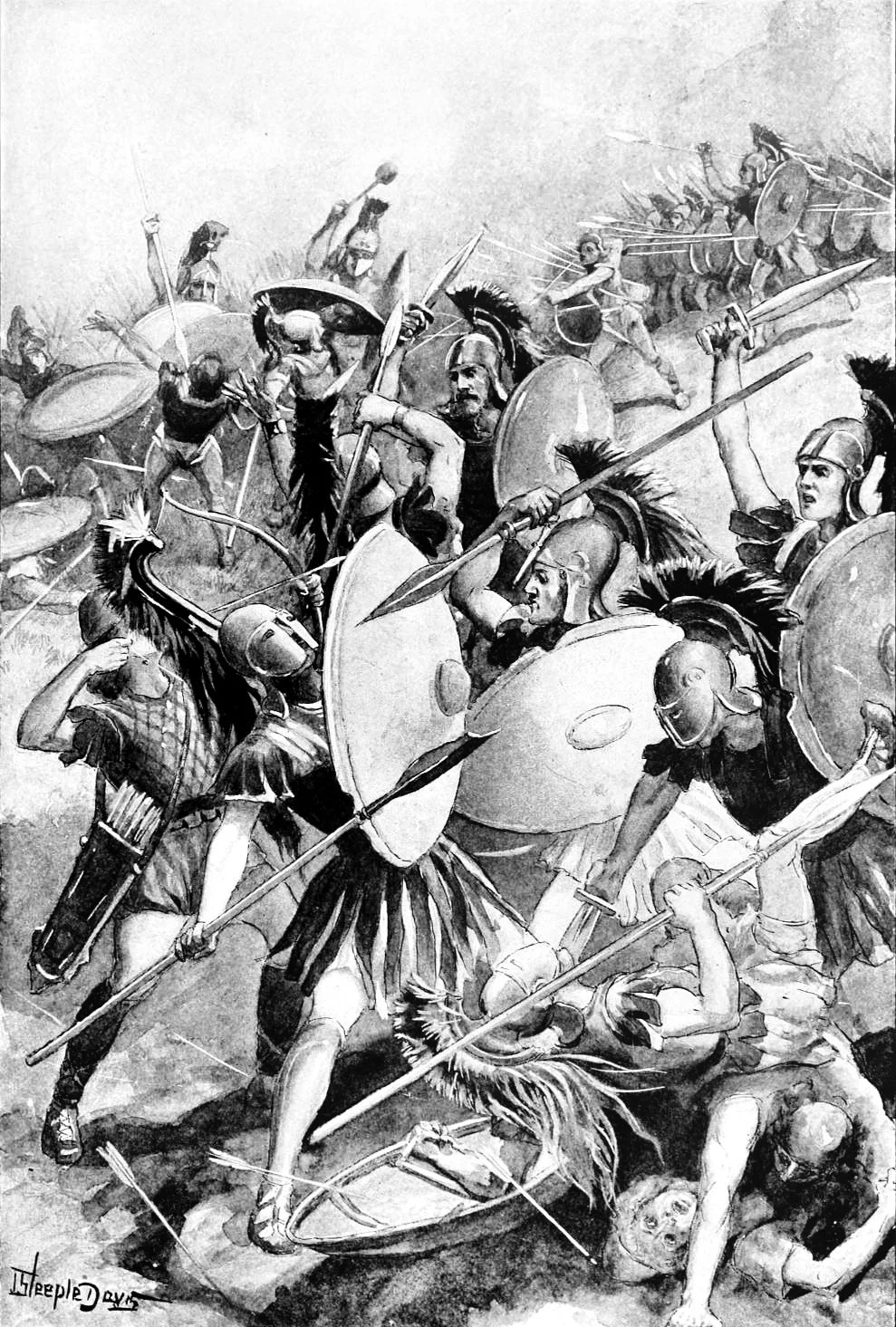
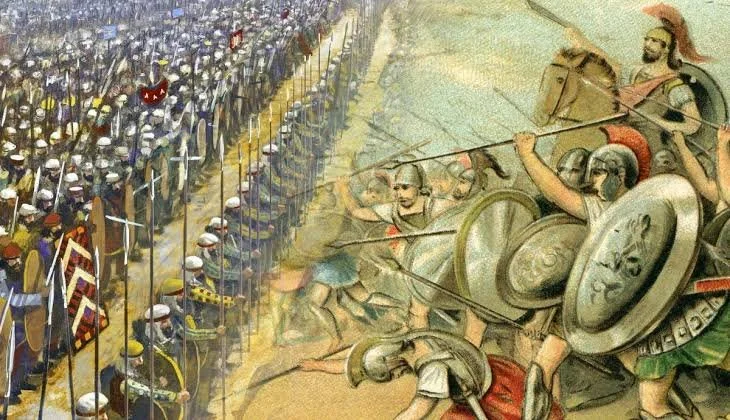
Training focused on maintaining the unbroken line of the phalanx and working as a cohesive unit rather than emphasizing individual glory.
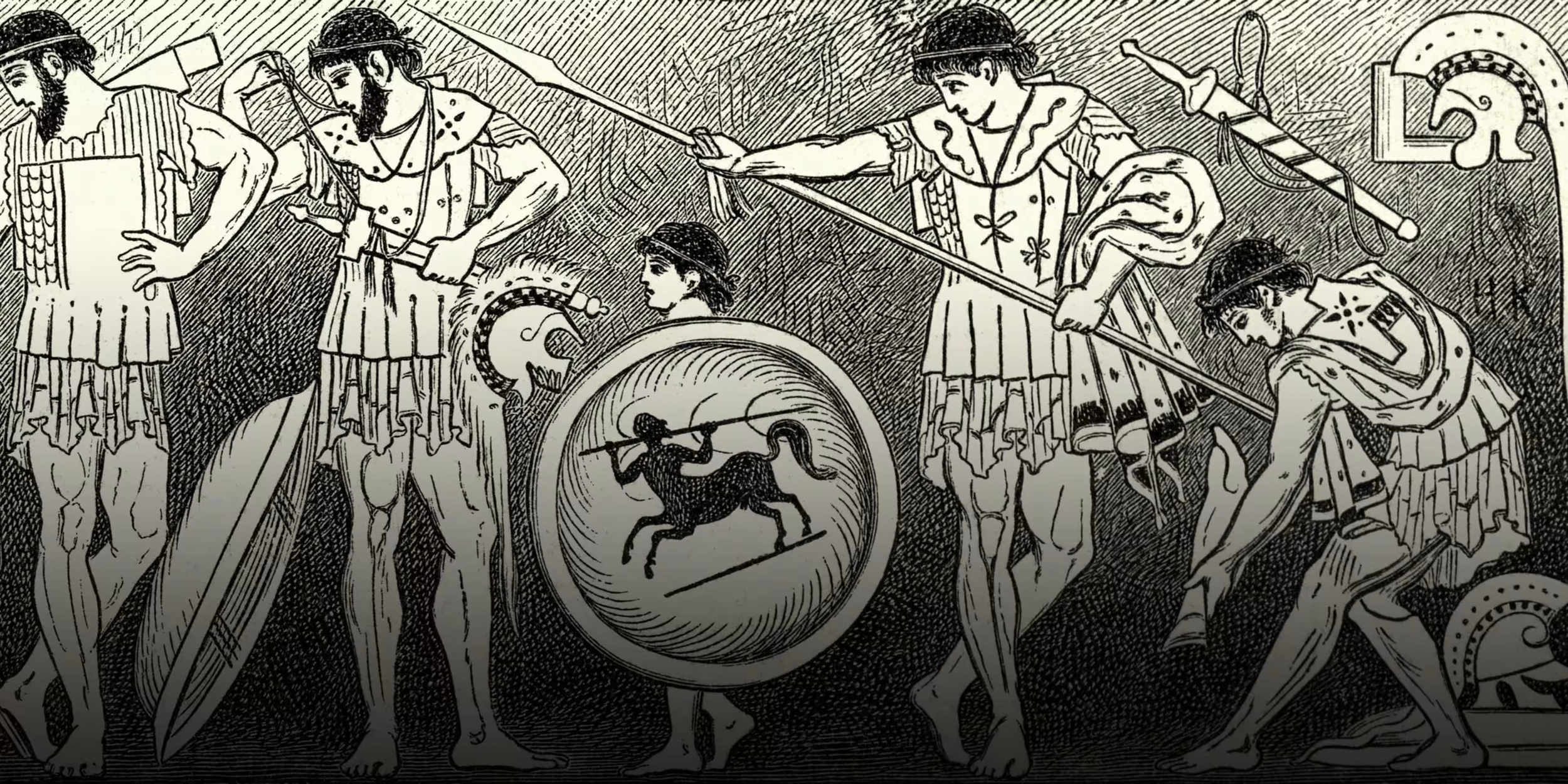
Shield-Wall Drill: Soldiers practiced moving and pushing as a single dense unit (othismos) utilizing the heavy bronze hoplon shield.
Weapons Proficiency: Trainees learned the use of the dory (thrusting spear) and the xiphos (short sword), focusing on close-quarters combat inside the shield wall.
Rhythm and Marching: Spartans were trained to march into battle to the rhythm of the aulos (a flute-like instrument), which kept the heavy formation steady and calm under fire.
4. The Krypteia
The Krypteia was a covert operation and training exercise for young men, often functioning as a state-sponsored secret police or militia.
Surveillance and Control: Young Spartans were sent into the countryside to spy on the helots (the enslaved population of Laconia and Messenia) and prevent rebellions.
Elimination of Threats: They were permitted to eliminate any helot who appeared dangerous or showed signs of leadership, practicing stealth, lethal force, and intelligence gathering.