The Trireme: The Most Powerful Ship of Its Time
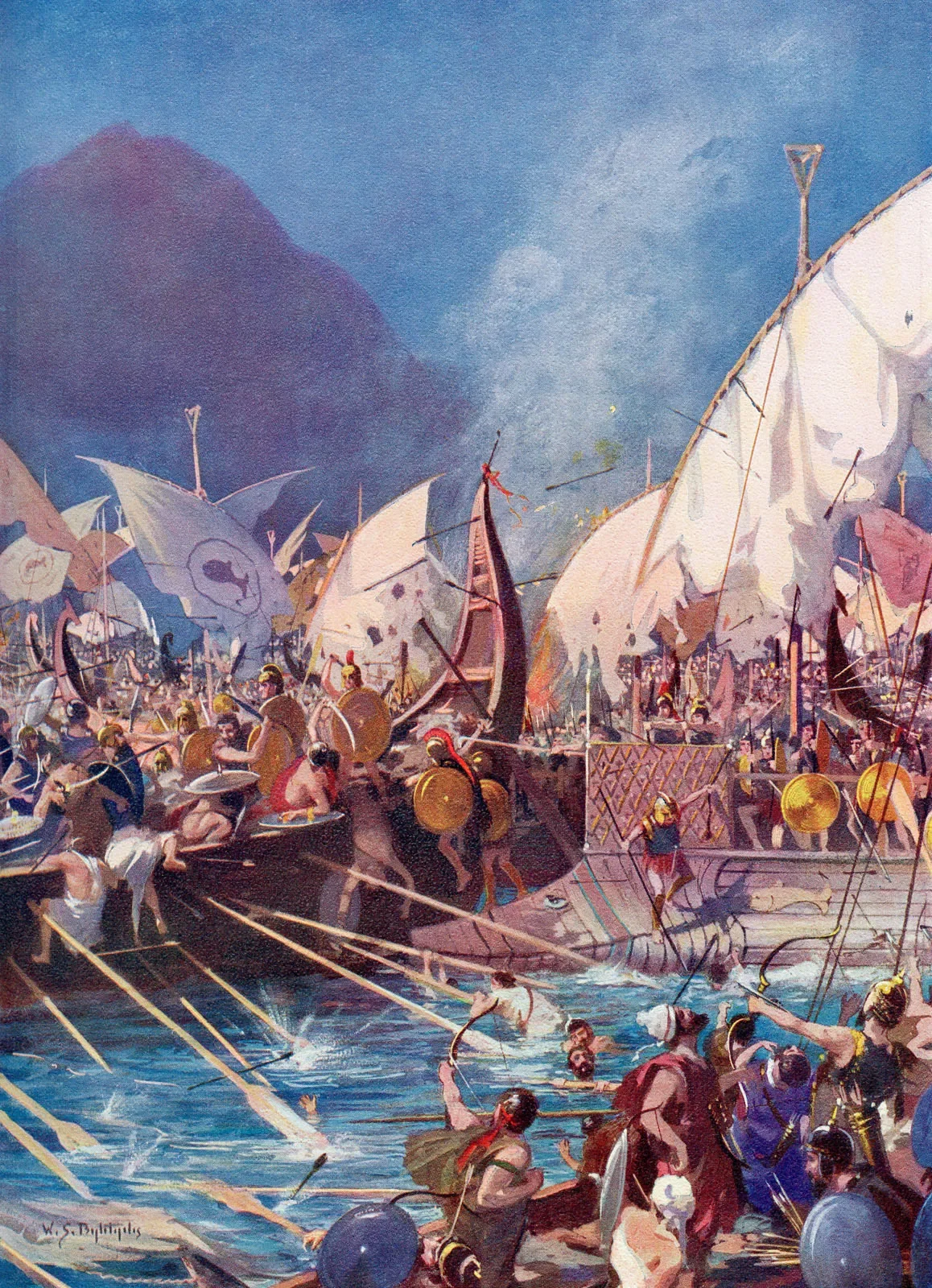
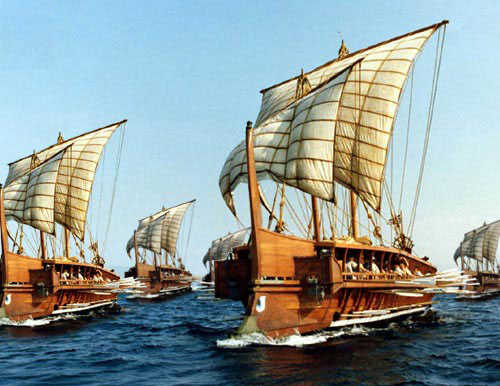
The trireme (trieres) was the pinnacle of ancient naval engineering. Dominating the Mediterranean from the 6th to the 4th centuries BCE, this sleek, fast warship became the backbone of the Athenian empire and the decisive weapon in historic conflicts such as the Battle of Salamis.
1. Anatomy and Design
Unlike merchant vessels of the era, which were rounded and slow to carry cargo, the trireme was designed for a single purpose: maximum speed and maneuverability.
Dimensions: A standard trireme measured roughly 37 meters (120 feet) in length and 5.5 meters (18 feet) at its widest point.
The Three Tiers: The word "trireme" refers to its most defining feature—the three tiers of oars on each side of the ship, arranged in a staggered formation to prevent the oars from tangling.
Lightweight Hull: Built from softwoods like fir or pine, the hull was designed to be as light as possible to reach speeds of up to 9 knots under human propulsion.
2. The Crew and Propulsion
Operating a trireme required highly synchronized teamwork, with the crew divided into specific roles based on their seating and function:
The Rowers: The ship held 170 rowers. The top tier (thranites, 31 per side), the middle tier (zygites, 27 per side), and the bottom tier (thalamites, 27 per side) had to row in perfect rhythm.
Deck Crew: In addition to rowers, the ship carried a small group of hoplites, archers, and deck officers (hyperesia), bringing the total complement to around 200 men.
Sails: The trireme carried a main and a smaller sail for transit, but these were unstepped and left on shore before combat to maximize stability and maneuverability.
3. The Embolon: The Ultimate Weapon
The primary offensive capability of the trireme did not rely on boarding actions initially, but on a devastating piece of engineering fixed to the front of the vessel.
The Bronze Ram: Mounted at the prow and situated just below the waterline, the embolon was a heavy timber ram encased in bronze.
Tactical Application: Rather than sinking a ship through cannon fire or artillery, the trireme aimed to strike the side of an enemy vessel. The impact sheared the enemy's oars and punched a hole in the hull, causing the ship to take on water and capsize rapidly.
4. Advanced Shipbuilding Techniques
Building a fleet of triremes required immense timber resources and cutting-edge maritime engineering for the era.
Shell-First Construction: Shipwrights laid the keel first and built the hull shell using edge-to-edge mortise-and-tenon joints secured by wooden pegs, which provided excellent flexibility in rough seas.
The Hypozoma: Because the ship was long and light, the hull was prone to sagging. To maintain rigidity, a heavy, tensioned rope called the hypozoma was run from the bow to the stern, acting as a truss to prevent the ship from breaking apart in the water.
5. Strategic Legacy
The trireme changed the nature of Mediterranean warfare, allowing states with large naval budgets to project power across vast distances. The high cost of outfitting and maintaining these vessels led to the development of the trierarchy, a tax where the wealthiest citizens funded the maintenance of a warship for a year.