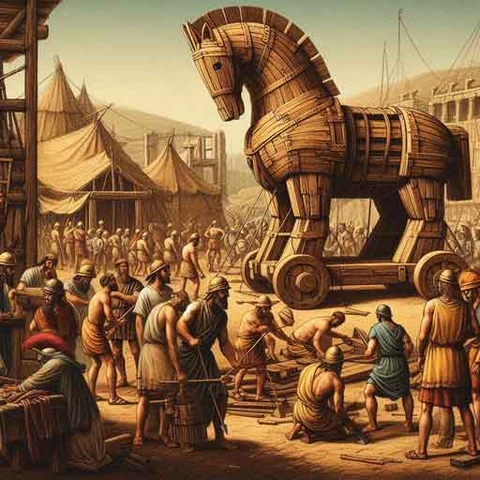
The Siege of Troy: Tactics and Strategy
The legendary Siege of Troy, as immortalized in Homer's Iliad and Odyssey, represents one of the most famous extended military campaigns of the ancient world. While viewed largely through the lens of myth, the campaign showcases a fascinating mix of Bronze Age warfare, prolonged siege strategy, unconventional tactics, and psychological warfare.
1. Conventional Strategy: The 10-Year Siege
The Greeks (Achaeans), led by Agamemnon, used a strategy of direct assault and naval blockade to subdue Troy over a decade.
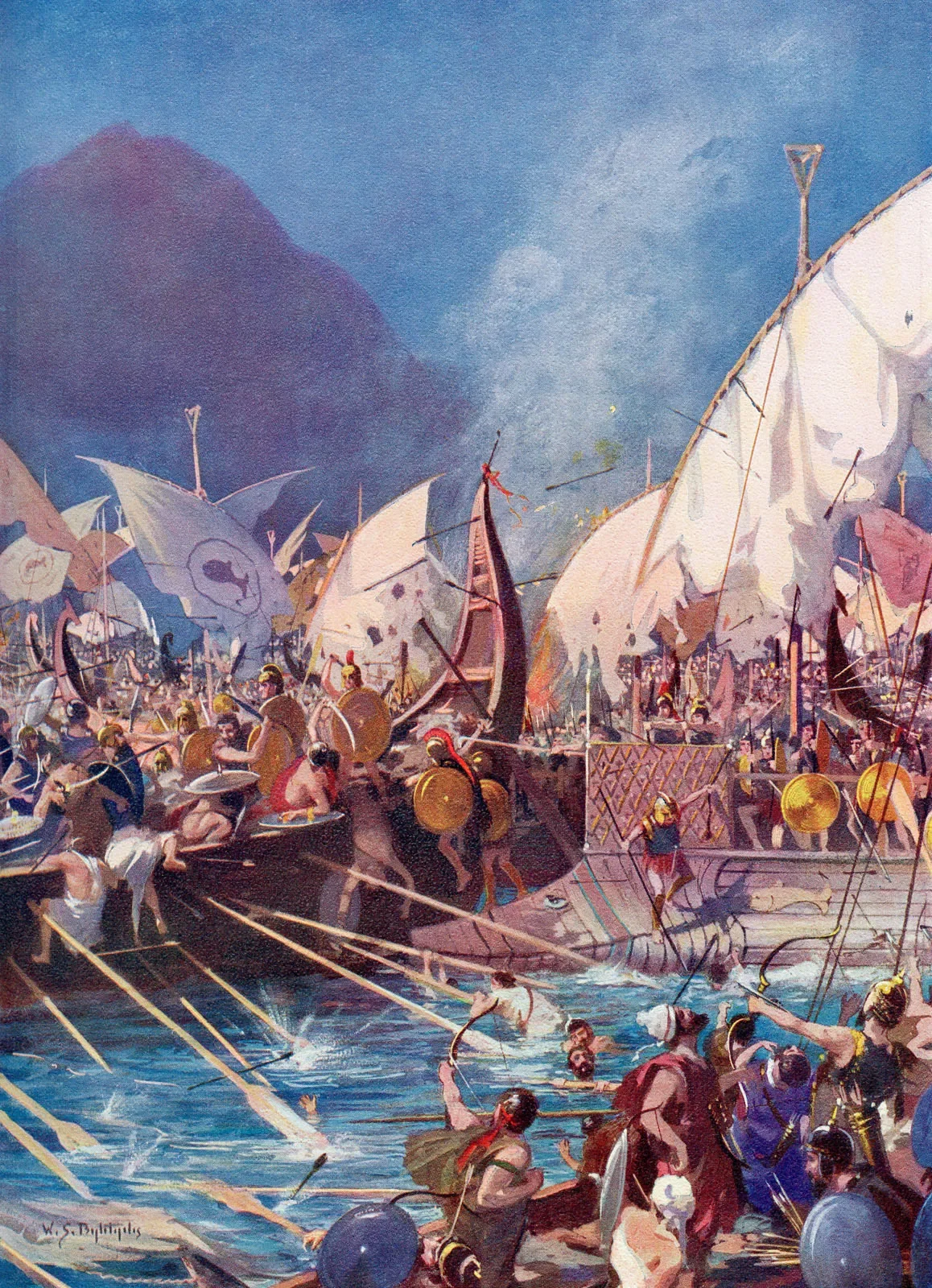
Naval Blockade: The Greeks established a massive camp along the Hellespont coastline. The fleet of over 1,000 ships was used to cut off Troy's maritime trade routes and prevent the city from receiving reinforcements or supplies.
Stalemate: Despite the prolonged siege, the walls of Troy, built according to legend by the gods, proved impenetrable to direct assault. The Greeks were forced to settle in for a long campaign of attrition, raiding nearby Trojan-allied towns to sustain their army.
Logistics: Sustaining an army over a decade required constant foraging, small-scale amphibious raids, and establishing agricultural production in the region surrounding Troy.
2. Battlefield Tactics: Bronze Age Warfare
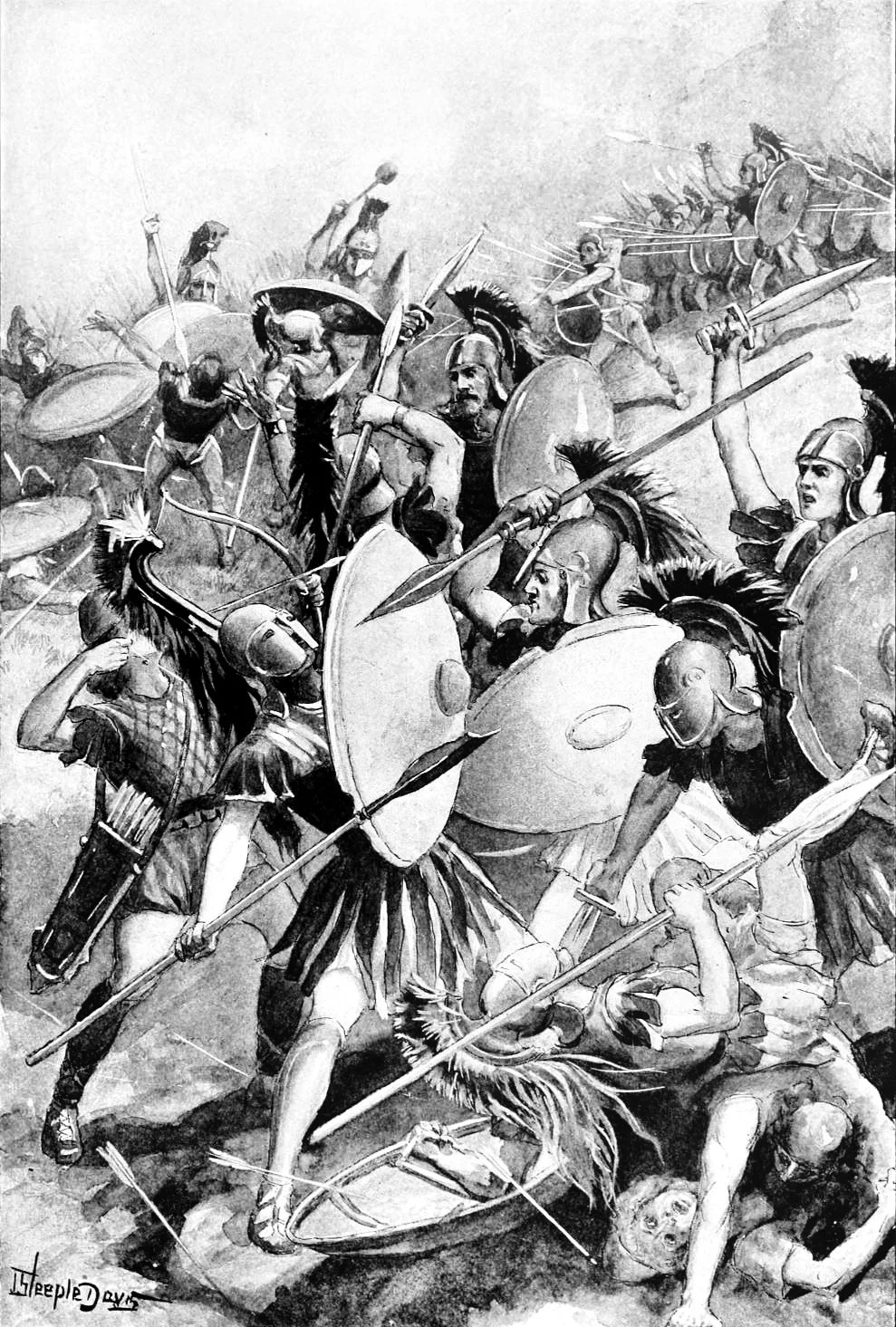
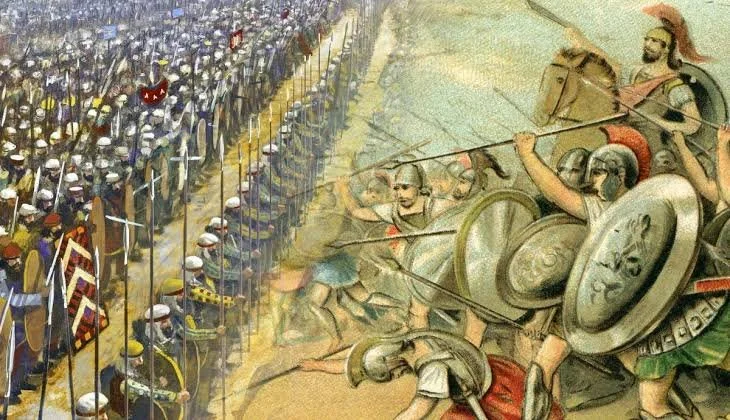
The fighting outside the walls of Troy reflected a mix of heroic single combat and massed infantry engagements.
The Heroic Duel: Battles often began with champions—such as Achilles, Hector, and Ajax—challenging one another on the battlefield while their armies watched or engaged in skirmishes. This served to demoralize the enemy and decide the tide of the day's fight.
Chariot Warfare: While primarily used as transport to the battlefield, chariots were employed by Trojan and allied elites to launch javelins and create rapid shock actions against the Greek lines.
Archer Tactics: The Trojans and their allies made highly effective use of archery, utilizing the flat Anatolian plains to keep the Greek infantry at bay and inflict significant casualties from a distance.
3. Irregular Warfare and Psychological Operations
When conventional tactics stalled, the Greeks resorted to irregular and covert methods to weaken Trojan morale and defenses.
Infiltration and Espionage: Greek heroes like Odysseus used disguises to enter Troy, gather intelligence on its defenses, and identify vulnerabilities in the city's gates.
Guerrilla and Night Operations: The Greeks conducted hit-and-run attacks and night raids (such as the raid on the Thracian camp and the killing of King Rhesus) to destroy allied forces before they could reach Troy.
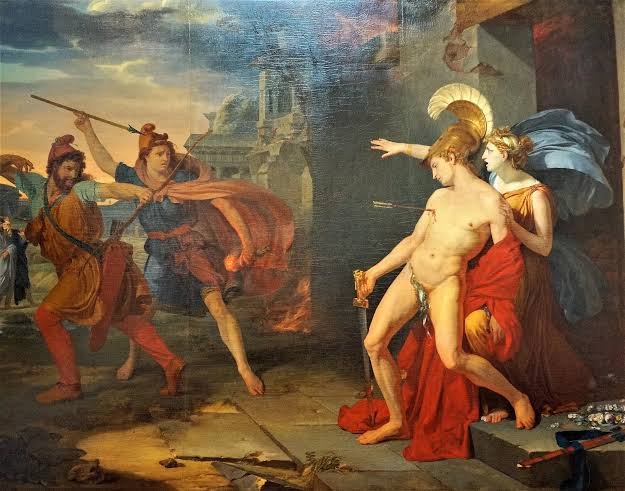
Psychological Warfare: Following the death of his friend Patroclus, Achilles wore his ornate armor back into battle. The sight of the Greek champion created panic and fear among the Trojan forces, driving them back within their gates.
4. The Decisive Ruse: Compound Warfare
After a stalemate lasting nearly ten years, the Greeks employed a strategy of deception to break the deadlock.
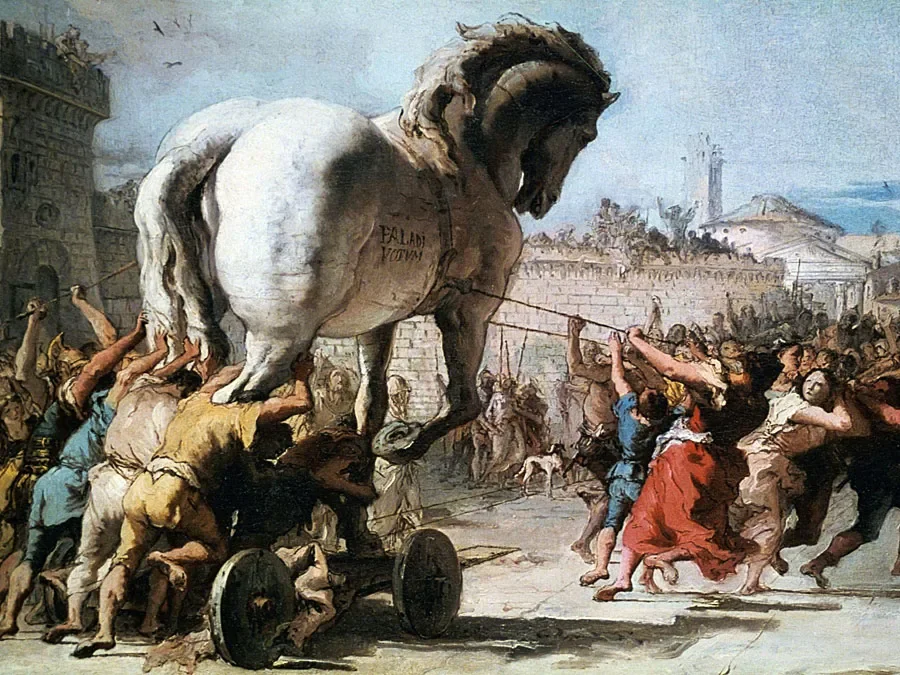
Strategic Deception: The Greeks constructed a massive, hollow wooden horse as a supposed offering to Athena, while pretending to abandon the siege and sail for the island of Tenedos.
Infiltration: A select group of Greek fighters, including Odysseus, hid inside the horse. The Trojans, believing the conflict was over, brought the horse inside their walls as a trophy.
The Final Strike: Under the cover of night, the Greek fleet returned, the warriors inside the horse opened the city gates, and the entire Greek army entered the city to end the campaign.