The Defense of Thermopylae: Why It Was So Effective
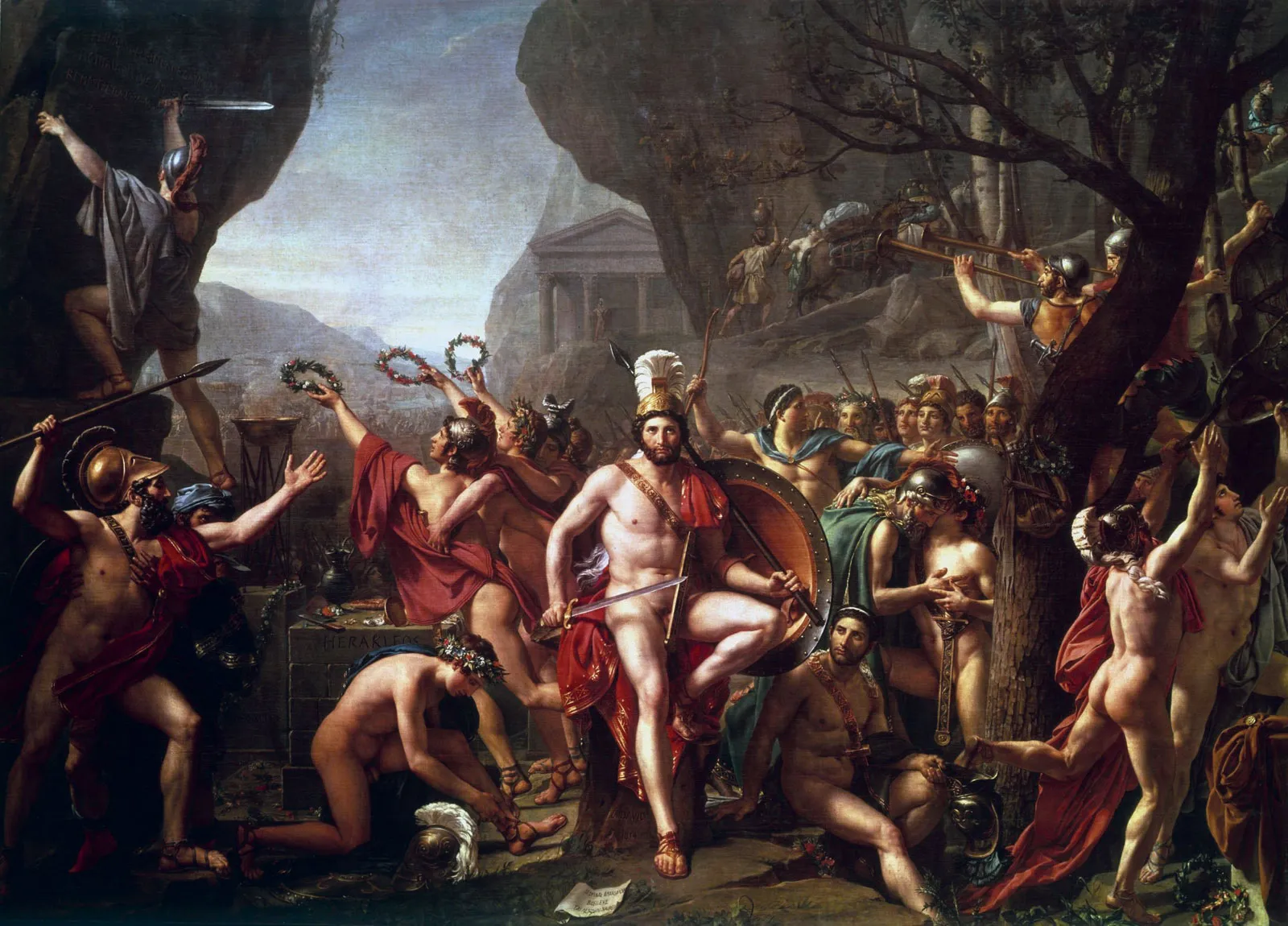
The Battle of Thermopylae (480 BCE) remains one of history’s most famous examples of a rearguard action. A small coalition of Greek city-states, led by King Leonidas of Sparta, held off the massive Achaemenid (Persian) army of Xerxes I for three days at the narrow pass of Thermopylae.
While the battle ended in a Greek defeat, its effectiveness as a defensive stand was defined by geography, superior tactics, and psychological attrition.
1. The Strategic Geography of the Pass
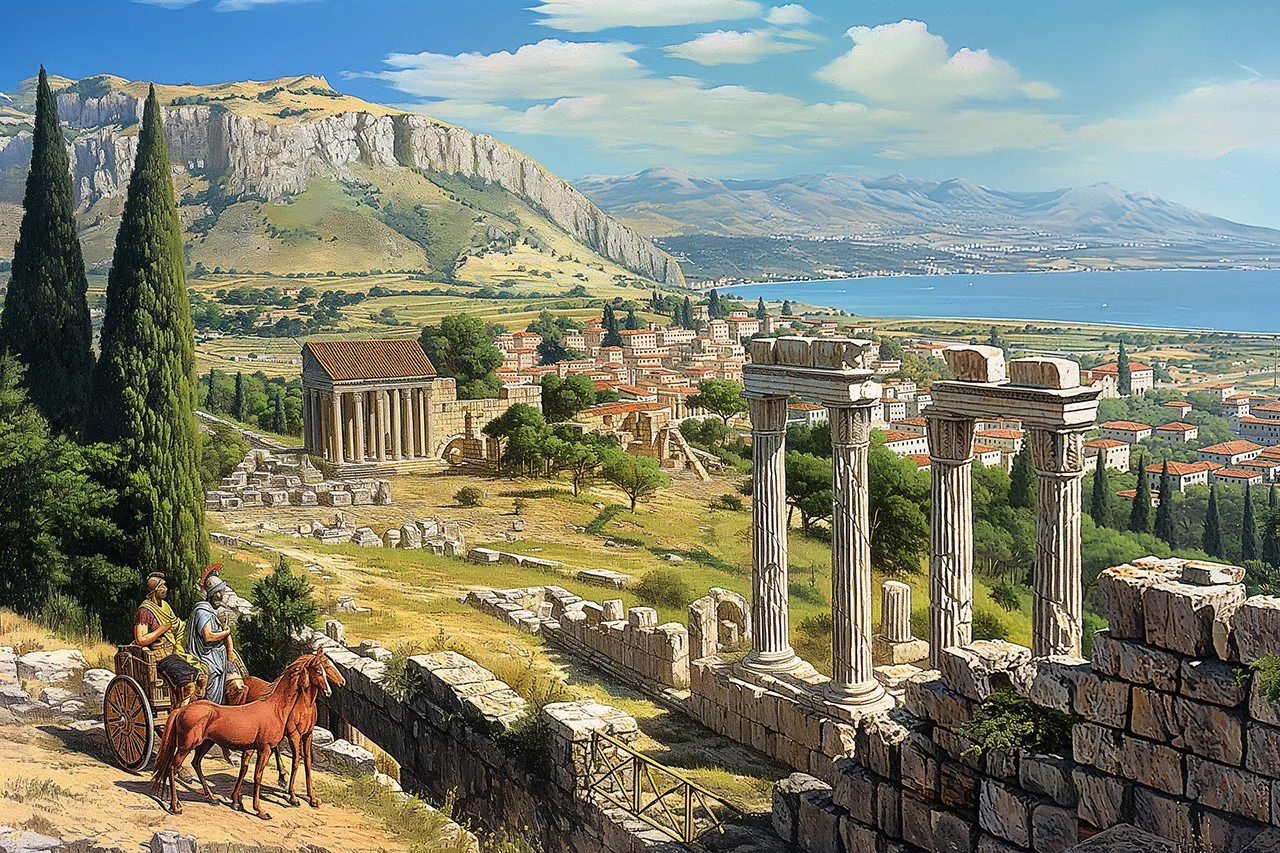
The primary reason the Greek defense was so effective was the terrain. Thermopylae, meaning "Hot Gates," was a narrow coastal pass bordered by steep, impassable cliffs on one side and the Aegean Sea on the other.
Nullifying Numerical Superiority: Xerxes commanded an army numbering in the hundreds of thousands. However, the narrowness of the pass prevented the Persians from deploying their full numbers at once, effectively neutralizing their size advantage and turning the engagement into a localized, infantry-heavy fight.
The Phocian Wall: The Greeks rebuilt an ancient defensive wall across the narrowest part of the pass, which they used as a staging ground and a barrier to hold the line.
2. Tactical Superiority and Hoplite Warfare
The Greek forces, comprised mostly of heavily armed hoplites, were perfectly suited for the close-quarters conditions of the pass.
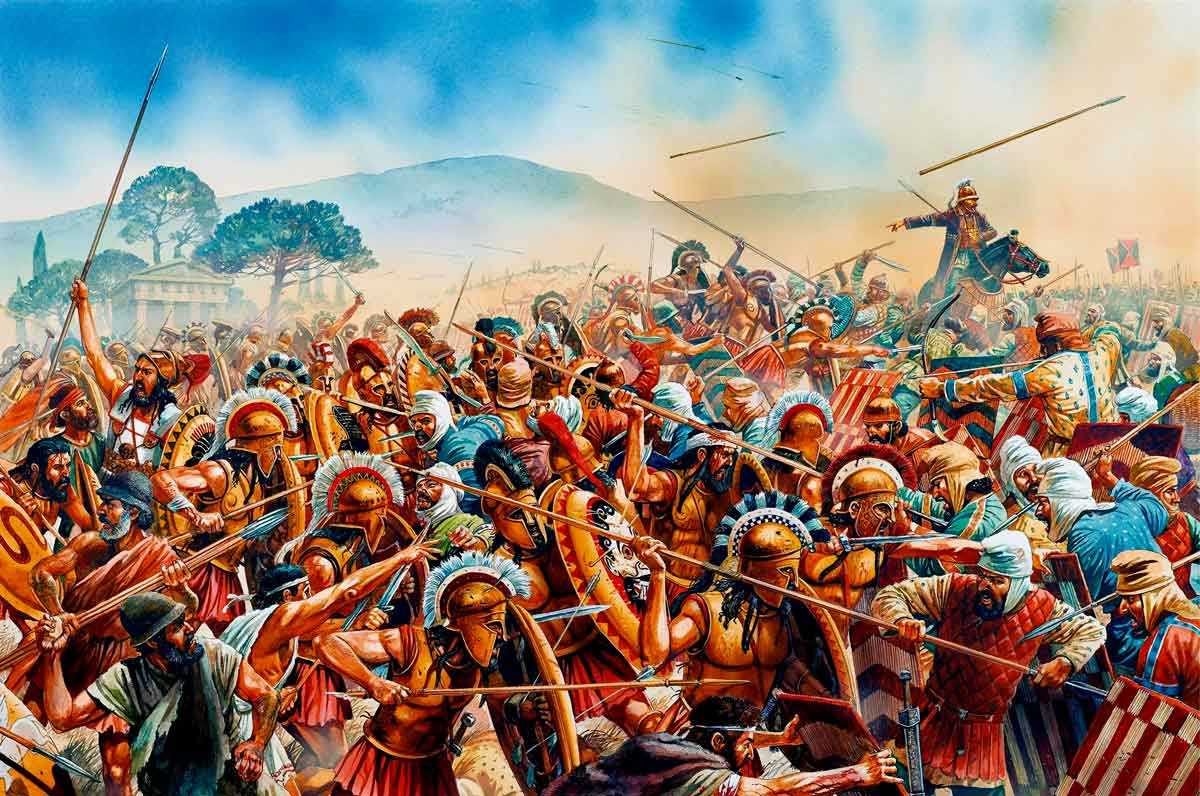
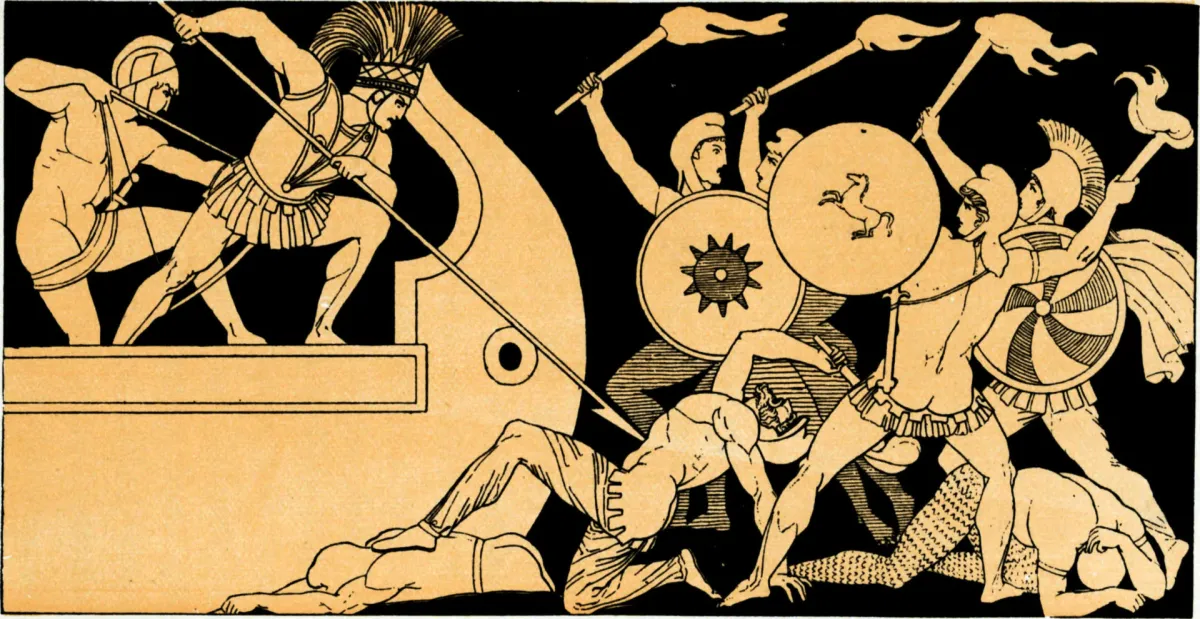
The Phalanx Formation: The Greeks fought in a dense, interlocking formation known as the phalanx. Their shields (hopla) created an unbroken wall of bronze, while their long thrusting spears (dory) kept the lightly armed Persian infantry at a distance.
Superior Armor and Weapons: Greek hoplites wore bronze cuirasses, greaves, and Corinthian helmets, providing excellent protection against the shorter spears and arrows of the Persian forces. The Persians, by contrast, relied on wicker shields (spara) and lighter armor.
3. Tactical Rotation of Troops
To maintain a continuous defensive front without exhaustion, King Leonidas utilized a system of rotating troops.
The Relief System: Herodotus recorded that the Greeks rotated their units, sending fresh troops to the front line while the tired soldiers withdrew behind the wall.
The "Feigned Retreat": The Greeks used a tactic of feigning retreat to draw the Persian lines into the narrow pass, subsequently turning around to counterattack and inflict heavy casualties, especially on elite units like the Immortals.
4. Attrition and Psychological Impact
The defense was designed to inflict maximum attrition and break the enemy's morale while delaying their advance.
High Persian Casualties: The inability to break the Greek line over the first two days humiliated Xerxes and caused immense frustration within the Persian ranks.
Buying Time for Greece: The three-day delay gave the allied Greek city-states time to prepare their defenses and assemble their fleet at Salamis, which ultimately led to the defeat of the Persian navy.