The Siege of Syracuse: Athens’ Failed Military Operation
The Sicilian Expedition (415–413 BCE) was one of the most ambitious and catastrophic campaigns undertaken by Athens during the Peloponnesian War. Aimed at securing the wealth and strategic resources of Sicily, the operation instead devolved into a drawn-out siege of Syracuse, leading to the total destruction of the Athenian expeditionary force.
1. Strategic Context and Objectives
In 415 BCE, following the Peace of Nicias, the Athenian assembly was persuaded by figures like Alcibiades to launch an expedition to Sicily. The goals were multifaceted:
Securing Resources: Athens sought to tap into the wealth of Sicilian cities like Segesta and gain control of the region's grain supply.
Expanding Influence: The campaign aimed to isolate Sparta's allies in the west and potentially bring the entirety of Sicily into the Athenian sphere of influence.
Hubris and Expansion: The expedition reflected a period of overconfidence in Athenian naval and military superiority following the Archidamian War.
2. Initial Operations and Siege Layout
Upon arriving in Sicily, the Athenian generals (Nicias, Lamachus, and Alcibiades—though Alcibiades was soon recalled to stand trial in Athens) faced a complex theater of operations.
Establishing the Blockade: The Athenians built a complex array of siege walls and counter-walls to cut off Syracuse from the land.
Counter-Construction: The Syracusans, aided by tactical advice, built counter-walls to intersect the Athenian lines and prevent total encirclement.
3. The Turning Point: Arrival of the Spartans
The strategic deadlock shifted when Syracuse received crucial external support, completely neutralizing Athens' technological and numerical advantages.
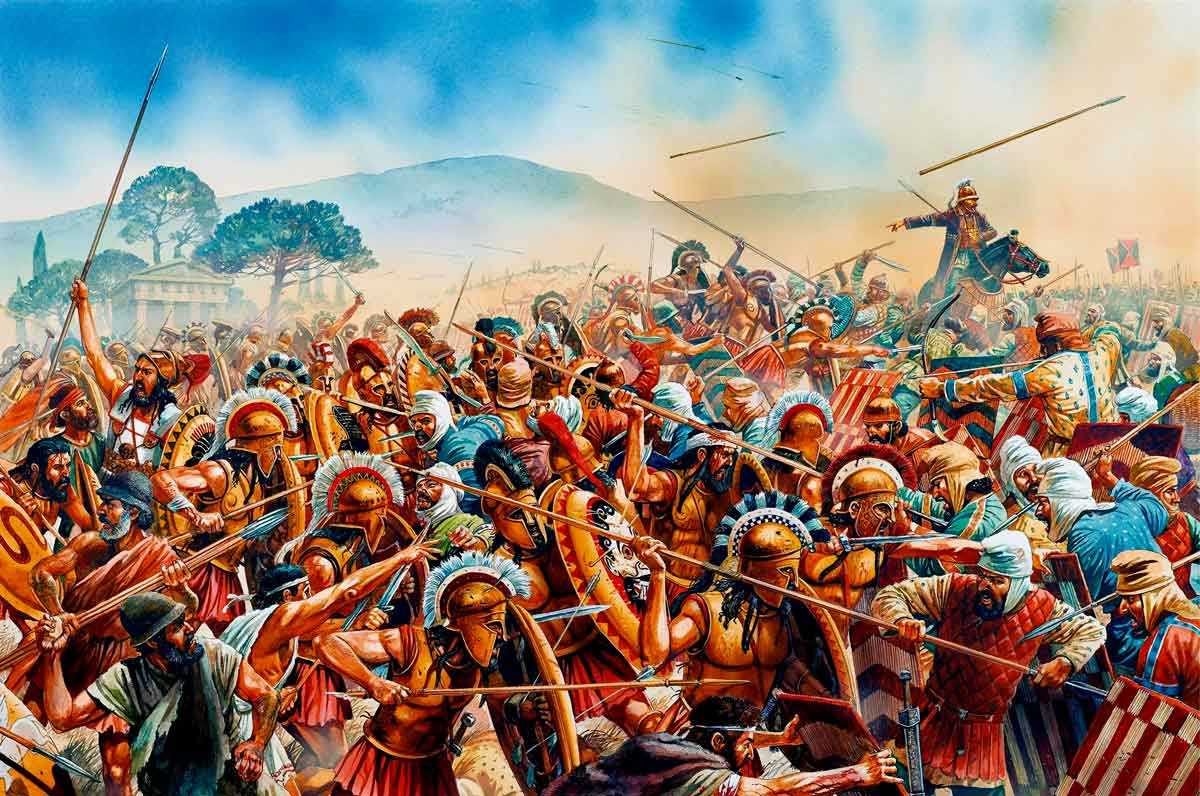
Arrival of Gylippus: The Spartan commander Gylippus arrived with a small force, galvanized the Syracusan defenders, and took control of the high ground (Epipolae).
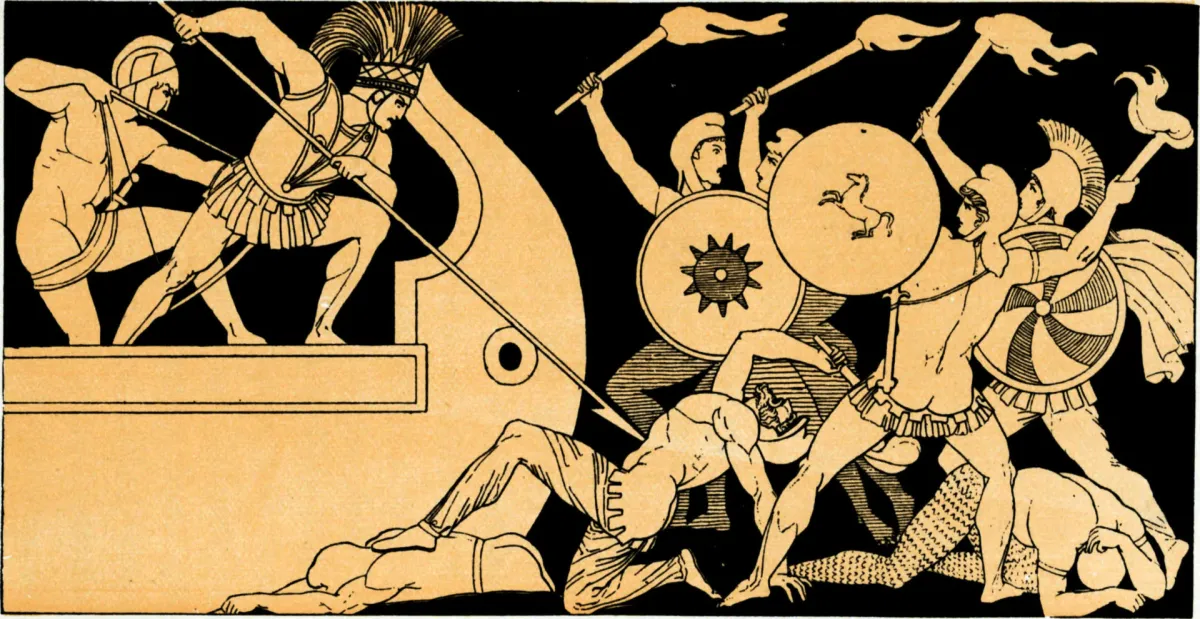
Defeat of Athenian Relief Forces: Demosthenes arrived with reinforcements, but failed to retake the high ground, suffering heavy losses in a chaotic night battle.
4. The Naval Disaster in the Great Harbor
The final phase of the conflict took place in the harbor of Syracuse, where the Athenian fleet found itself trapped and outmaneuvered.
Syracusan Innovations: The Syracusans modified their ships by shortening and thickening the prows to ram the lighter Athenian triremes head-on.
The Trap: Blocking the entrance to the Great Harbor, Syracuse prevented the Athenian ships from escaping, leading to a catastrophic naval defeat.
5. The Retreat and Aftermath
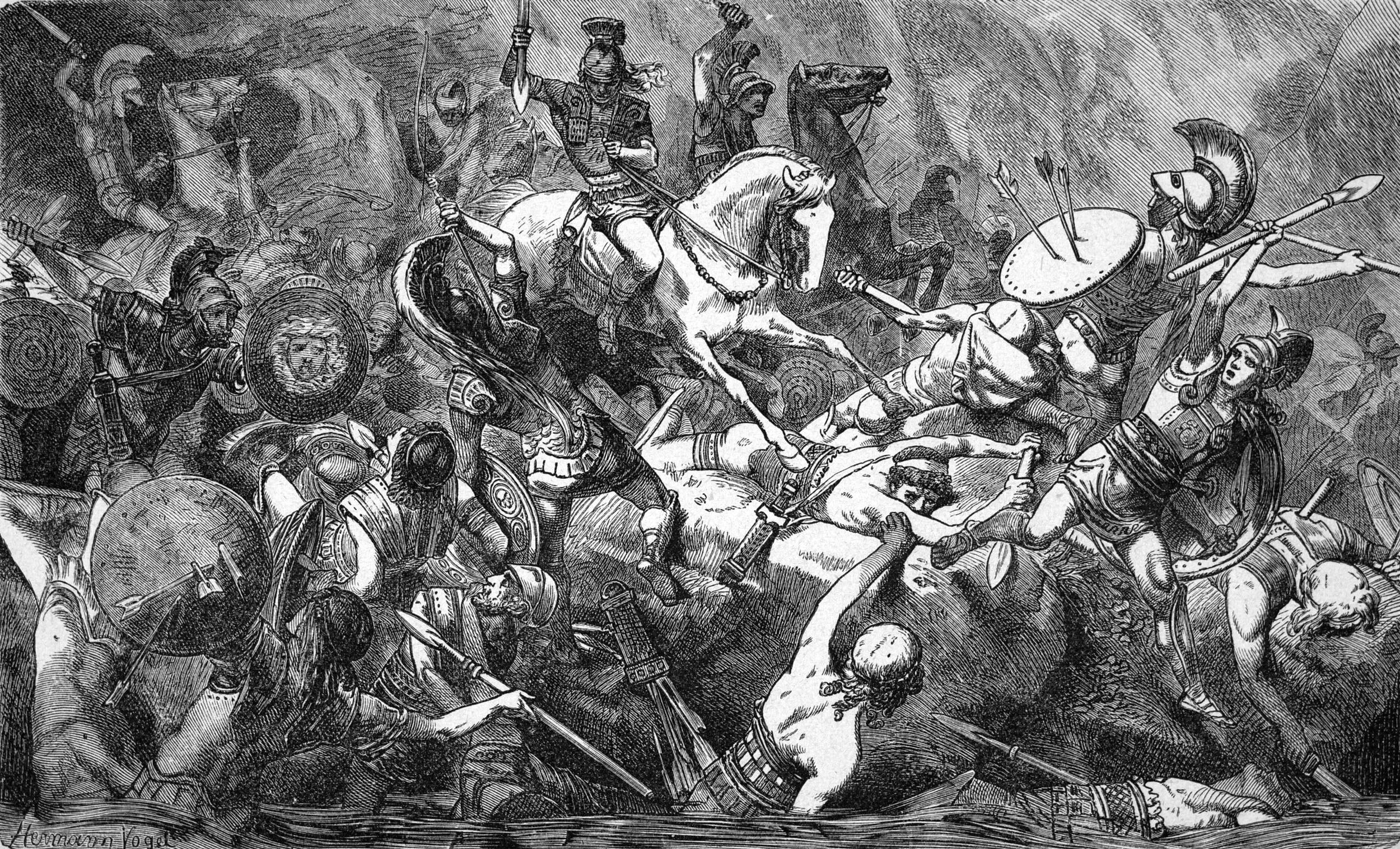
Stranded on land, the remaining Athenian forces attempted a desperate retreat by foot but were hunted down or captured.
Capitulation: The generals Nicias and Demosthenes were executed, and the surviving Athenians were forced into the harsh stone quarries (latomiae) of Syracuse, where many died.
Strategic Impact: The defeat crippled Athenian naval and financial resources, effectively turning the tide of the Peloponnesian War in Sparta's favor.