The Use of Psychological Warfare in Ancient Greece
In ancient Greece, warfare was not merely a clash of physical strength and armor; it was a complex contest of morale, reputation, and willpower. Because ancient battles were often decided by which side broke formation first, generals and city-states regularly employed psychological warfare to shatter the enemy's resolve before a single spear was thrust.
1. The Cultivation of Reputation and Invincibility
The most enduring form of psychological warfare in ancient Greece was the cultivation of a fearsome reputation, which caused enemies to feel defeated before the battle even began.
The Spartan Mystique: The Spartans actively engineered an image of unyielding, disciplined, and fearless warriors. By forbidding the writing of history or keeping of records by others, and by enforcing the harsh Agoge training system, they created a legend that Spartan soldiers never retreated.
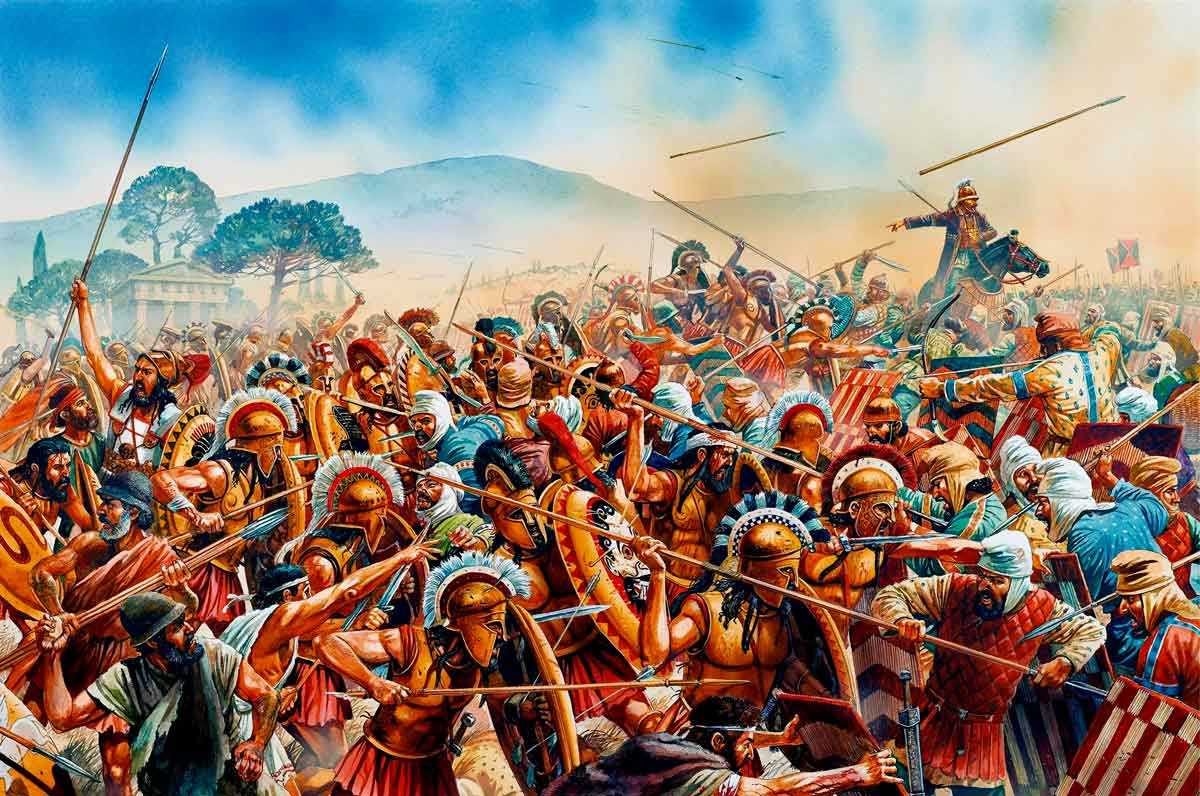
The Phalanx Effect: The visual display of the hoplite phalanx marching in perfect, unbroken synchronization created a wall of bronze and spearpoints that generated profound dread in inexperienced or less-organized opponents.
2. Auditory and Visual Intimidation
Greeks utilized sound and visual displays to project dominance and drown out the commands of enemy officers.
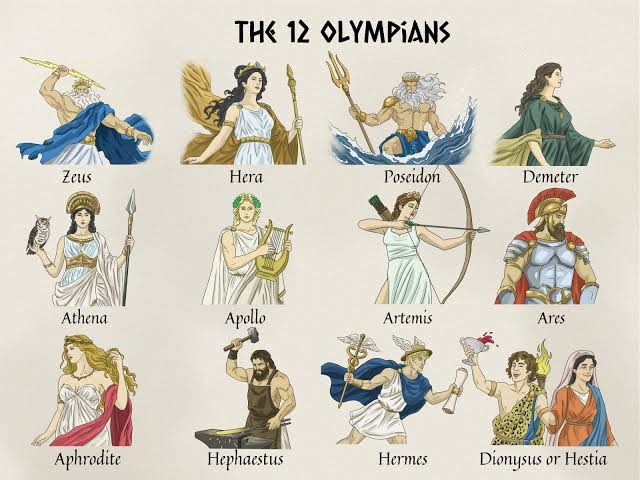
The Paean: Before engaging in battle, Greek armies would sing the paean, a solemn yet aggressive hymn dedicated to Apollo or Ares. This synchronized chanting was designed to boost the morale of the Greeks while intimidating the enemy.
The Rhythm of the Aulos: Spartans marched into battle to the steady, hypnotic rhythms of the aulos (a double-reed wind instrument). While primarily used to keep the hoplites in step, the unnerving, steady cadence signaled to the enemy that the Spartans were calm, composed, and ready for slaughter.
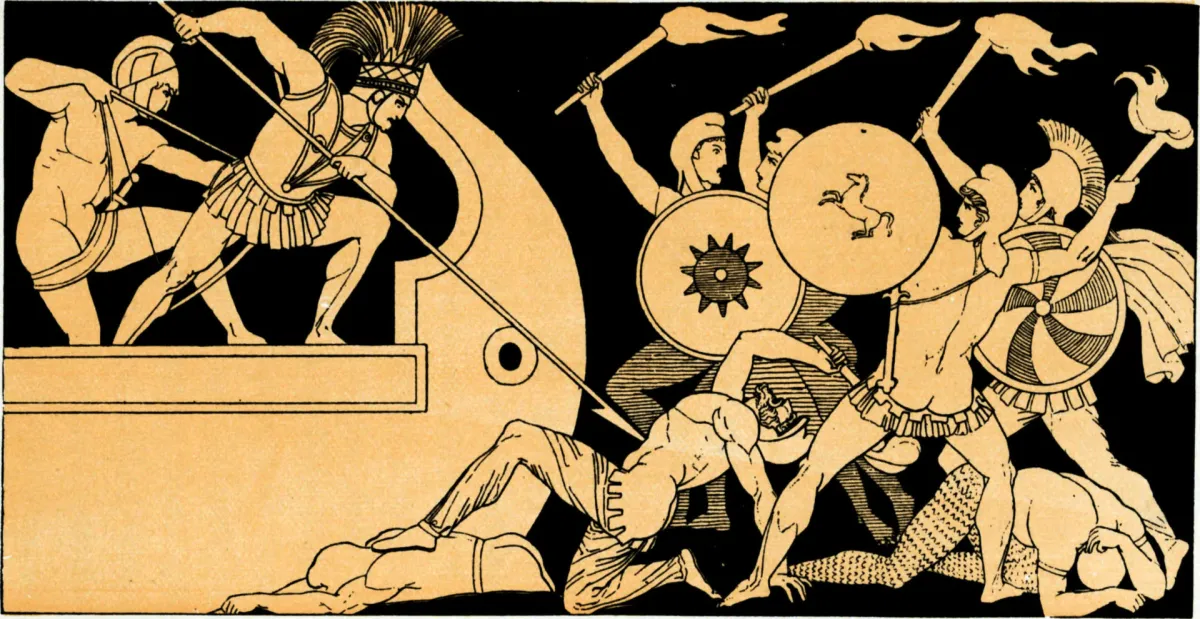
Shield Emblems and Polished Armor: Many city-states painted terrifying symbols on their shields (like the Gorgon's head, or the Spartan "Lambda") to frighten opponents at close range.
3. Strategic Deception and Propaganda
Commanders relied on deception to manipulate enemy expectations and create fear or overconfidence.
False Retreats and Ambushes: Feigning a retreat, as famously used at the Battle of Marathon (490 BCE) by the Athenians or in various Spartan campaigns, drew enemy lines out of position. This not only caused physical damage but also created panic when the supposed "victors" realized they were walking into a trap.
Psychological Ruses: Spreading rumors about the size of the army or the arrival of allies could cause an enemy to abandon a siege or surrender without a fight.
4. Divine Legitimacy and Oracles
Religion was heavily weaponized in Greek conflicts, as the perceived favor of the gods held immense psychological weight.
Delphic Oracle Manipulation: States often sought oracles that favored their cause or manipulated existing prophecies to demoralize their opponents.
Portents and Omens: An eclipse, a sudden earthquake, or the flight of birds could be interpreted by military diviners (manteis) to predict defeat or victory. A commander who effectively controlled the interpretation of these omens could inspire fanatical bravery or cause immediate panic among the ranks.