While classical tragedy and comedy performed in monumental open-air stone theaters dominate modern histories of Greek performance, a parallel, highly popular oral tradition flourished in the shadow of these grand structures: the art of shadow puppetry. Known traditionally as an ancestral form of visual storytelling that found its later, most famous Mediterranean manifestation in the Ottoman-era Karagiozis, the manipulation of cut-out silhouettes behind illuminated screens was a vital medium for folk performance, political satire, and mythological education that engaged the broader, non-elite public.
The physical staging of an ancient shadow play was an exercise in low-cost, highly portable theatrical engineering. Performers, often traveling showmen who operated on the fringes of formal civic religious festivals, erected a temporary wooden frame across public squares or tavern courtyards. Across this frame, they tightly stretched a large, translucent white cloth screen, illuminated from behind by a series of smoky olive oil lamps or a controlled charcoal brazier. The puppeteer stood backstage between the light source and the screen, manipulating flat, jointed figures attached to long wooden or whalebone rods, projecting sharp, dynamic black shadows onto the fabric facing the audience.
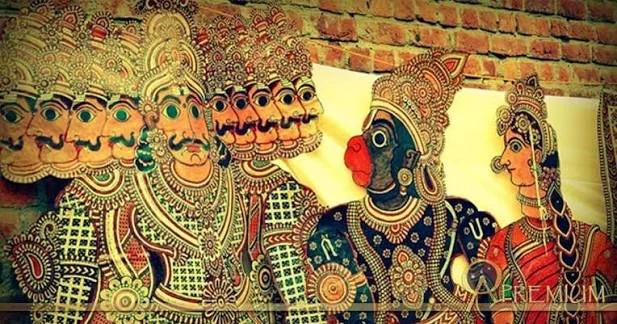
The puppets themselves were historical marvels of craftsmanship, constructed from stiffened leather, dried animal hides, or thin sheets of wood. To create internal detail within the flat black silhouette, puppeteers meticulously punched out geometric holes and intricate patterns across the figures' clothing, hair, and armor. When held flat against the illuminated screen, these perforations allowed points of pure light to pierce through the dark shape, transforming a simple shadow into a glittering, visually complex character. The limbs of the puppets were jointed with leather rivets, allowing the artist to simulate walking, fighting, and dramatic gesticulations with a flick of the wrist.
Thematically, shadow puppetry was deeply democratic, irreverent, and immediate. While formal theater required state funding and strict civic choreography, shadow plays were rapidly improvised performances that blended well-known episodes from the Homeric epics with biting, contemporary political gossip. The puppeteer was a virtuosic vocal chameleon, providing distinct accents, sound effects, and musical accompaniment on a small hand drum or flute for dozens of characters. This accessible, interactive art form served as a vital cultural pressure valve, offering the ordinary public a platform for subversive laughter and communal storytelling that illuminated the shadowy corners of the ancient Greek world.