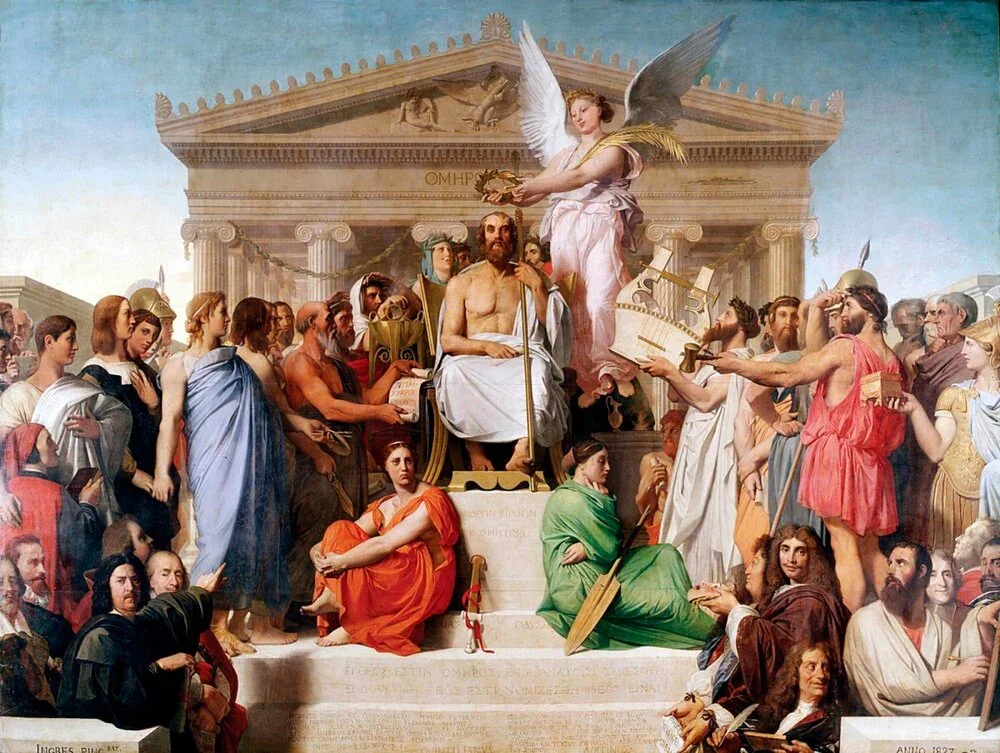
The mythological narratives and legends generated in ancient Greece have functioned for centuries as the primary genetic material of Western literature, establishing a foundational archive of themes, character archetypes, and narrative structures that continue to dominate contemporary storytelling. Rather than fading into obsolete folklore, the stories of the Olympian gods, Trojan heroes, and tragic families have undergone a continuous process of translation, subversion, and psychological reinterpretation, proving that the structural blueprints developed by ancient mythmakers possess an timeless adaptability.
At the core of this literary influence is the codification of the Hero's Journey, a narrative architecture modeled directly on the epic odysseys of characters like Odysseus, Jason, and Heracles. Modern fantasy and speculative literature rely heavily on this ancient structural framework: a protagonist is plucked from obscurity, faces supernatural trials, descends into a symbolic underworld, and returns transformed. Contemporary authors routinely map this epic trajectory onto modern landscapes, using the ancient trials as a proven method for exploring themes of identity, mortality, and the corrupting nature of absolute power.
Furthermore, modern literature has witnessed a massive resurgence in the genre of mythological retellings, particularly those that shift the perspective to marginalized characters from the margins of Greek legends. Contemporary writers deconstruct the classical text to give voice to figures like Penelope, Circe, Briseis, and Medusa, transforming ancient tales of masculine conquest into profound explorations of domestic survival, systemic isolation, and female autonomy. This literary movement proves that Greek legends are not static museum pieces but dynamic, open-source frameworks capable of holding contemporary political and social critique.
In the realm of psychological and modernist fiction, Greek legends provided the essential vocabulary needed to describe the hidden complexities of the human mind. The works of twentieth-century masters like James Joyce, who structured his groundbreaking novel Ulysses entirely around the chapters of Homer’s Odyssey, demonstrated that ordinary, modern lives could be elevated to epic status by layering them over classical archetypes. By providing an enduring set of symbols and an unmatched emotional vocabulary, Greek legends remain the deep mirror through which modern literature continues to examine the human condition.