Introduction
Ancient Greek painters created vibrant works of art using pigments obtained almost entirely from naturally occurring minerals, clays, metals, and organic materials. Long before synthetic paints were invented, artists mastered the preparation of durable natural colors for decorating pottery, temples, sculptures, wooden panels, and architectural surfaces. Their understanding of mineral chemistry allowed them to produce paintings with remarkable color stability, many traces of which remain visible today despite more than two thousand years of weathering.
Sources of Natural Pigments
Greek artists prepared white pigments from chalk and lead carbonate, while yellow and red colors came primarily from naturally occurring iron-rich ochres and hematite. Black pigments were produced from soot, charcoal, or burned animal bones. Blue was often supplied by the synthetic pigment known as Egyptian Blue, while green shades came from crushed malachite or mixtures of blue and yellow pigments.
The raw minerals were carefully washed, crushed into fine powders, and ground with stone mortars before being mixed with binders such as egg yolk, beeswax, animal glue, or plant gums. The resulting paint could then be applied to wood, plaster, marble, or ceramic surfaces using brushes made from animal hair or plant fibers.
Painting Techniques
Artists first prepared smooth surfaces with a layer of fine plaster or white primer before applying successive layers of color. They built depth by combining lighter and darker shades, adding fine details after the main composition had dried. In wall painting and architectural decoration, pigments were often applied to fresh or slightly damp plaster, allowing the colors to bond securely with the surface.
Although many Greek marble statues appear white today, scientific analysis has revealed that they were originally brightly painted with vivid reds, blues, yellows, greens, and blacks, creating lifelike appearances that modern viewers rarely imagine.
Artistic Significance
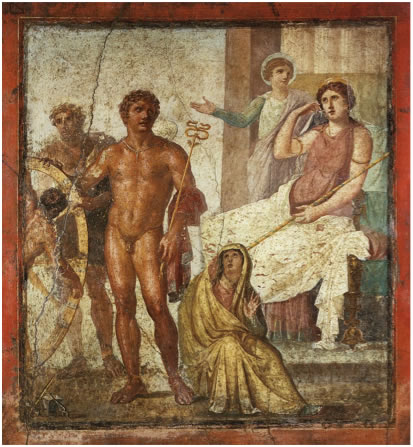
Painters decorated temples, public buildings, domestic interiors, pottery, and funerary monuments. Color conveyed symbolic meanings associated with divinity, heroism, warfare, mourning, and civic identity while enhancing the realism of sculptures and architectural decoration.
Conclusion
The Greek mastery of natural pigments combined artistic creativity with practical knowledge of mineral resources. Their innovative painting techniques and durable color preparation laid the foundation for later Roman and Byzantine artistic traditions.