Introduction
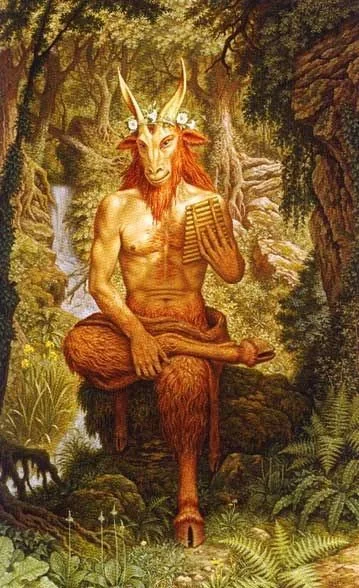
Pan was the ancient Greek god of the wild, shepherds, forests, mountains, rustic music, and fertility. Instantly recognizable by his goat's legs, horns, and shaggy appearance, Pan embodied the untamed forces of nature that existed beyond the boundaries of civilized society. Primarily worshipped in the mountainous regions of Arcadia, Pan became one of the most beloved rural deities in Greek religion. His myths celebrate the beauty of wilderness while also reminding people of nature's unpredictability, mystery, and power.
Origins and Appearance
Most Greek traditions identify Pan as the son of Hermes and the nymph Dryope, although several regional myths provide different parentage. At birth, his unusual appearance frightened his mother, who abandoned him because of his goat-like features. Hermes, however, carried the infant to Mount Olympus, where the gods welcomed him with delight because of his cheerful nature and playful spirit.
Pan possessed the upper body of a man combined with the legs, hooves, beard, tail, and horns of a goat. This distinctive appearance reflected his close association with mountains, forests, wildlife, and pastoral life.
Guardian of Shepherds and Nature
Pan served as the divine protector of shepherds, hunters, goatherds, and rural communities. Shepherds prayed to him for healthy livestock, abundant grazing lands, and protection from predators. Hunters sought his blessing before entering forests, while travelers crossing isolated mountain passes honored him to ensure safe journeys.
Unlike the Olympian gods who governed cities and kingdoms, Pan represented the untamed natural world, where humans lived in close harmony with animals and changing seasons.
The Pan Flute
One of Pan's most famous myths concerns the woodland nymph Syrinx. Pursued by Pan, Syrinx prayed for rescue and was transformed into a cluster of hollow reeds. Mourning her loss, Pan cut several reeds of different lengths and bound them together to create the musical instrument known as the Pan flute or syrinx.
The haunting melodies produced by the instrument became symbols of pastoral life, rural festivals, and the peaceful beauty of nature. Pan's music was believed to enchant both humans and animals throughout the forests of Arcadia.
The Origin of "Panic"
Pan was also associated with sudden, irrational fear. According to Greek belief, lonely travelers who wandered through remote forests or mountains might unexpectedly hear terrifying cries echoing through the wilderness. These mysterious sounds were attributed to Pan, whose unexpected appearance could cause overwhelming terror.
The modern English word "panic" ultimately derives from these myths, reflecting the god's ability to inspire sudden fear among humans and even entire armies.
Religious Importance and Legacy
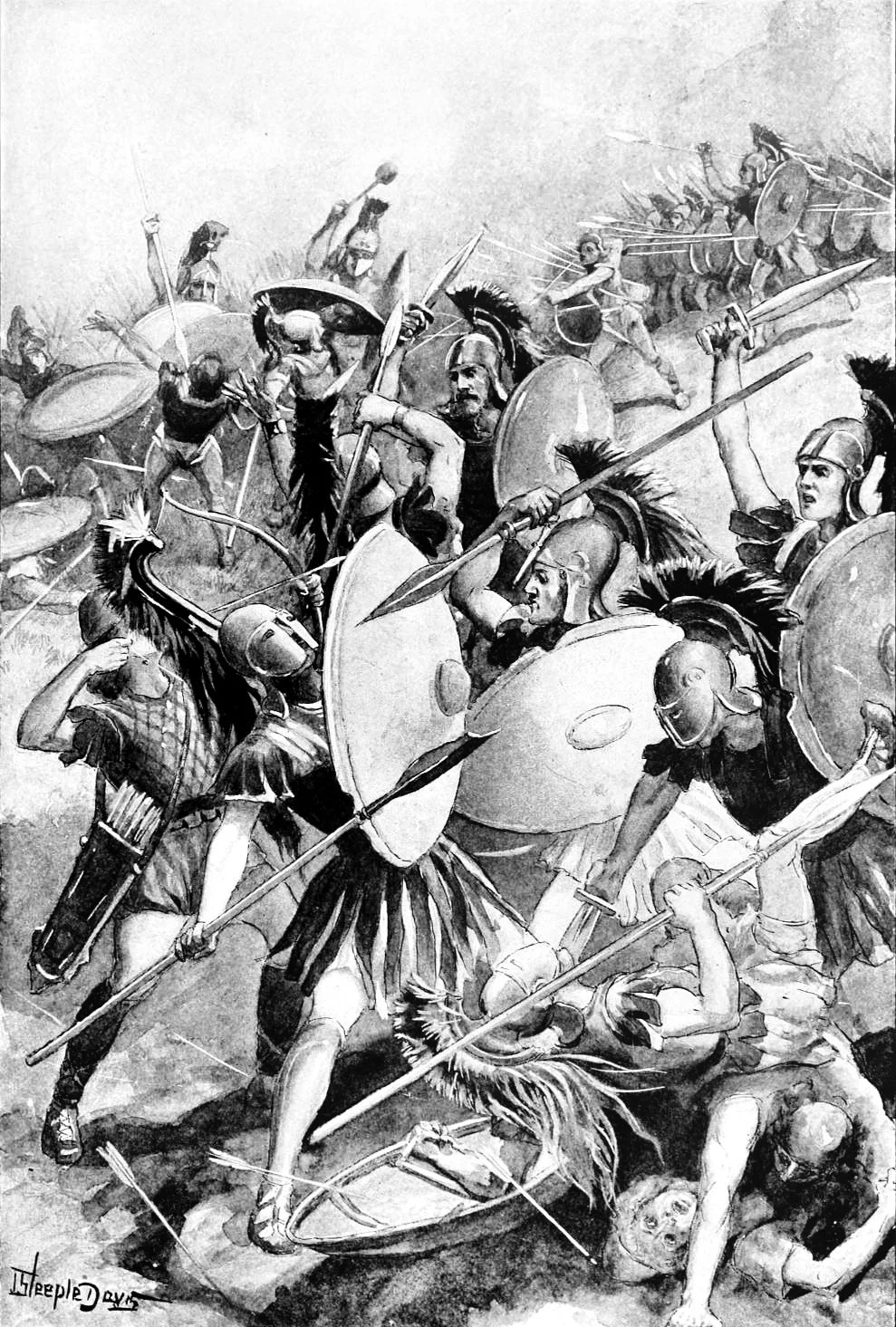
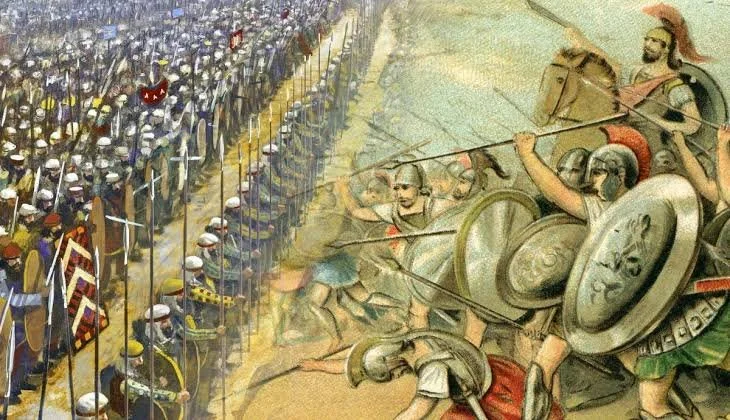
Pan was widely worshipped in caves, groves, mountain sanctuaries, and rural shrines rather than magnificent temples. Offerings included milk, honey, wine, and small animals. During the Persian Wars, Athenians honored Pan after believing he had frightened Persian soldiers during the Battle of Marathon, further expanding his popularity throughout Greece.
Pan's image has profoundly influenced later Western art, literature, music, and folklore. His association with wilderness, music, and pastoral landscapes continues to inspire artists and writers today.
Conclusion
Pan occupies a unique place in Greek mythology as the joyful yet unpredictable god of the wilderness. Through his protection of shepherds, invention of the Pan flute, and association with both music and sudden fear, he embodied the beauty, mystery, and untamed power of nature that fascinated the ancient Greeks.