Ancient Greek medicine developed in a world without antibiotics, X-rays, anesthesia, sterile operating rooms, or modern surgical equipment. Yet Greek physicians were far from helpless when confronted with battlefield injuries, fractured limbs, deep cuts, infections, and other forms of physical trauma. Through observation, practical experience, military necessity, and an increasingly systematic approach to the human body, Greek healers developed methods that would influence medical practice for centuries.
The treatment of wounds and broken bones in ancient Greece reveals an important transition in medical history. Disease and injury were not always explained solely as acts of the gods. Particularly from the fifth century BCE onward, physicians associated with the Hippocratic tradition increasingly argued that illness and physical injury had natural causes that could be observed, described, and treated.
From Divine Healing to Practical Medicine
Before examining Greek surgical techniques, it is important to understand that ancient Greek medicine existed within two overlapping traditions.
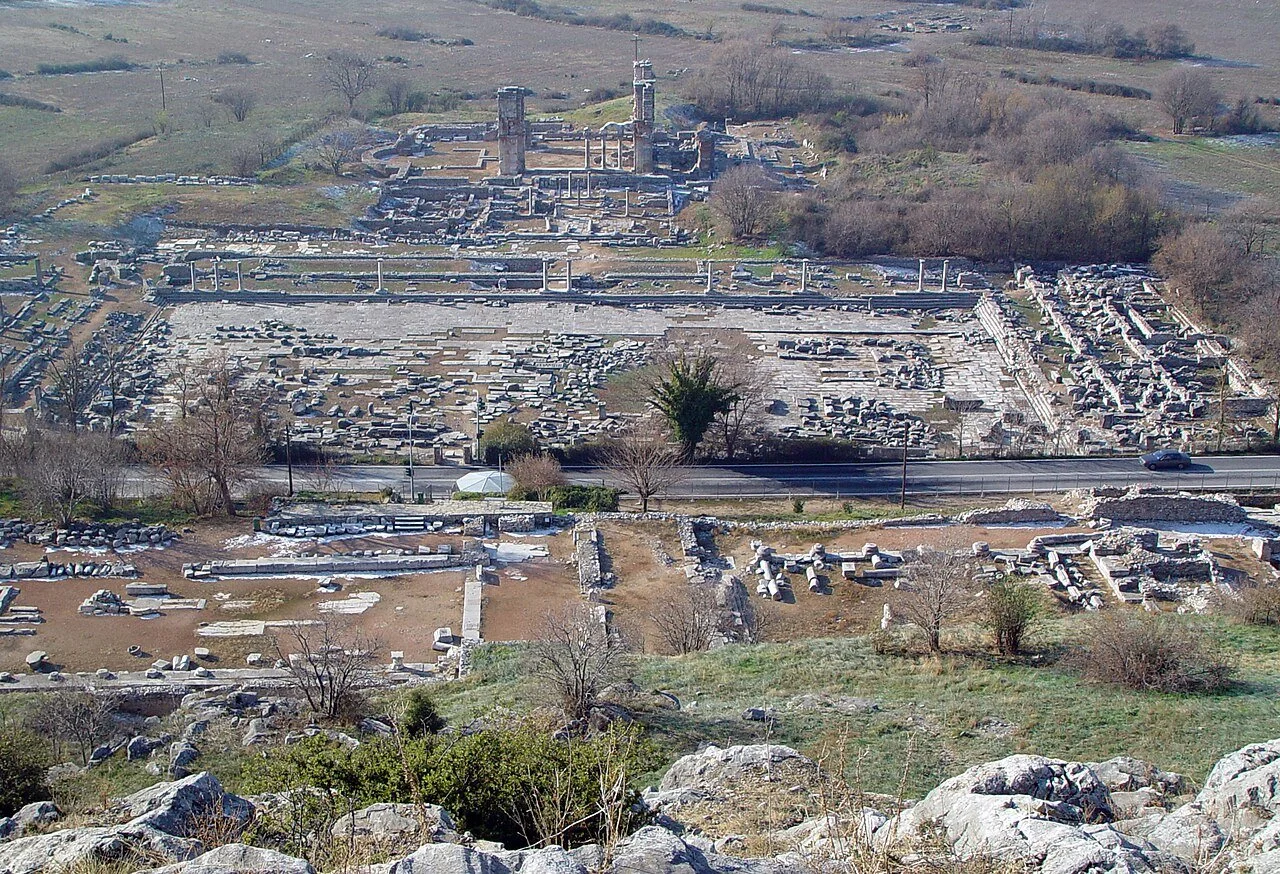
One tradition was religious healing. Greeks visited sanctuaries dedicated to Asclepius, the god of medicine and healing. These healing centers, known as Asclepieia, attracted people suffering from wounds, chronic illnesses, disabilities, and other physical conditions. Patients might perform rituals, offer sacrifices, undergo purification, and sleep within sacred areas in the hope of receiving a healing vision or divine intervention.
At the same time, a more practical medical tradition developed. Physicians observed symptoms, recorded injuries, and attempted to understand the physical mechanisms behind disease and trauma. The Hippocratic Corpus, a collection of medical writings associated with Hippocrates and his intellectual tradition, contains detailed discussions of fractures, dislocations, wounds, bandaging, diet, and patient observation.
This did not mean that ancient Greek medicine suddenly became modern science. Greek physicians still operated with incomplete knowledge of anatomy and physiology. They did not understand bacteria, viruses, circulation in the modern sense, or germ theory. Nevertheless, their emphasis on observation represented a major development.
Treating Battlefield Wounds
War was one of the harshest laboratories for ancient Greek medicine. Greek soldiers could suffer injuries from spears, swords, arrows, stones, and other weapons. A wound that might be survivable today could easily become fatal because of blood loss or infection.
Physicians and attendants first had to evaluate the nature of the injury. A superficial wound required a different approach from a penetrating wound involving bone, organs, or major blood vessels.
One major challenge was the removal of foreign objects. Arrowheads and weapon fragments could remain embedded in the body. Ancient physicians developed specialized instruments for extracting foreign materials, although the procedure was extremely dangerous and painful.
Wounds were cleaned and treated with substances believed to promote healing. Ancient medical practice made use of materials such as wine, vinegar, oils, honey, and various plant-based preparations. Some of these substances may have provided limited practical benefits. Honey, for example, possesses properties that can inhibit the growth of certain microorganisms, although ancient Greeks did not understand the microbiological reasons behind its usefulness.
Bandages were then applied to protect the injury and help stabilize damaged tissue.
However, infection remained one of the greatest dangers. A wound could initially appear manageable but later become swollen, painful, discolored, or infected. Without antibiotics, the body's immune system became the primary defense against serious infection.
Greek Knowledge of Fractures
Broken bones received some of the most detailed attention in ancient Greek medical literature. The Hippocratic writings on fractures and joint injuries demonstrate an impressive interest in mechanical treatment.
Physicians recognized that bones needed to be placed in an appropriate position to heal properly. When a bone had shifted significantly, the physician might attempt reduction, meaning the process of returning the bone or joint to its correct alignment.
This could involve considerable physical force.
Assistants might hold the patient steady while the physician pulled or manipulated the injured limb. In some cases, traction was used to counter the displacement caused by muscles surrounding the broken bone.
Once the bone was repositioned, the limb needed to remain stable.
Bandages, Splints, and Immobilization
Ancient Greek physicians used bandaging techniques to support injured limbs. Linen and other textile materials could be wrapped around the affected area to provide pressure and stability.
Wooden splints and rigid supports could also help prevent unnecessary movement.
The fundamental principle was remarkably similar to modern fracture care: an injured bone must be kept as stable as possible while healing occurs.
Greek physicians also understood that excessive pressure could be harmful. A bandage wrapped too tightly could interfere with circulation or cause additional damage. Therefore, the condition of the limb had to be monitored.
Changes in swelling, pain, temperature, and appearance could indicate that the treatment needed adjustment.
Treating Dislocations
A dislocation occurs when the bones forming a joint are forced out of their normal position. Ancient Greek physicians developed several methods for attempting to return joints to alignment.
The shoulder was particularly important because shoulder dislocations could severely limit movement and military usefulness.
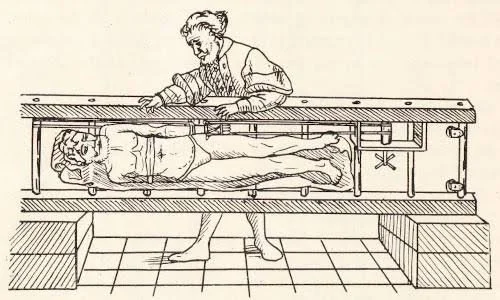
Some methods involved traction, while others used mechanical leverage. Historical descriptions associated with Hippocratic medicine include specialized techniques and apparatuses designed to apply controlled force.
One famous mechanical device traditionally associated with Greek medicine is the Hippocratic bench, which could be used to assist in the treatment of certain orthopedic injuries.
Although the effectiveness and safety of ancient methods varied, the underlying idea was significant: physical injuries could be approached as mechanical problems requiring mechanical solutions.
The Terrifying Problem of Pain
Perhaps the greatest difference between ancient and modern trauma care was the absence of reliable anesthesia.
A patient undergoing bone reduction or surgery could experience extreme pain. Ancient practitioners had access to wine and various substances with sedative or pain-relieving effects, but these were nowhere near the controlled anesthesia available today.
The success of a procedure therefore depended partly on speed, physical restraint, and the patient's ability to endure pain.
This limitation made complex surgery extremely risky.
When Greek Medicine Could Not Save the Patient
Ancient physicians faced injuries that were effectively untreatable.
Severe head trauma, major internal bleeding, deep abdominal wounds, spinal injuries, and overwhelming infections could easily result in death.
Greek physicians sometimes attempted trepanation-like procedures or treatments involving injuries to the skull, but survival depended heavily on the exact nature of the trauma.
The limitations of ancient anatomy also restricted medical knowledge. Human dissection was culturally and legally constrained in many Greek communities, although anatomical investigation developed more extensively during the Hellenistic period in Alexandria.
Why Ancient Greek Trauma Medicine Matters
The importance of Greek medical practice does not lie in the idea that Greek physicians possessed modern medical knowledge. They clearly did not.
Its historical importance lies in a different achievement: the attempt to explain and treat physical injury through observation rather than relying exclusively on supernatural explanations.
Greek physicians described fractures according to their appearance and location. They studied the movement of joints. They developed methods of traction, bandaging, immobilization, and reduction.
In doing so, they helped establish principles that would remain central to orthopedic and surgical medicine: observe the injury, understand the physical problem, stabilize the patient, and support the body's ability to heal.
Ancient Greek medicine could be painful, dangerous, and sometimes ineffective. But beneath the limitations was an important intellectual transformation—the growing belief that the human body could be studied, understood, and treated through systematic observation.