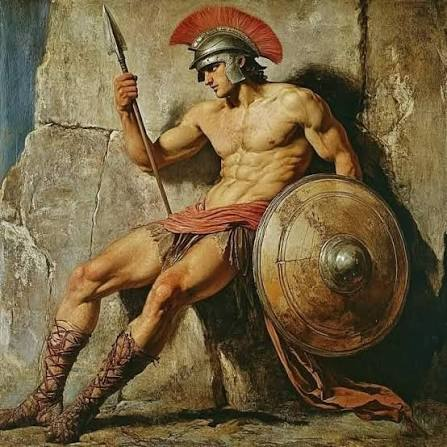
Achilles is one of the central heroes of Greek mythology and the greatest warrior in Homer's Iliad.
Unlike Heracles, whose stories focus on numerous adventures, Achilles' mythology centers primarily on the Trojan War and the terrible consequences of heroic pride.
His story asks a fundamental question:
Is a short life filled with glory worth more than a long and peaceful existence?
The Son of Peleus and Thetis
Achilles was the son of Peleus, a mortal king, and Thetis, a sea goddess.
His divine heritage made Achilles extraordinary from birth.
Later traditions claimed that Thetis attempted to make Achilles immortal by dipping him into the River Styx.
However, she held him by the heel.
This later produced the famous expression "Achilles' heel."
Interestingly, Homer's Iliad does not contain this story. The famous vulnerable heel belongs to later mythology.
Achilles and the Trojan War
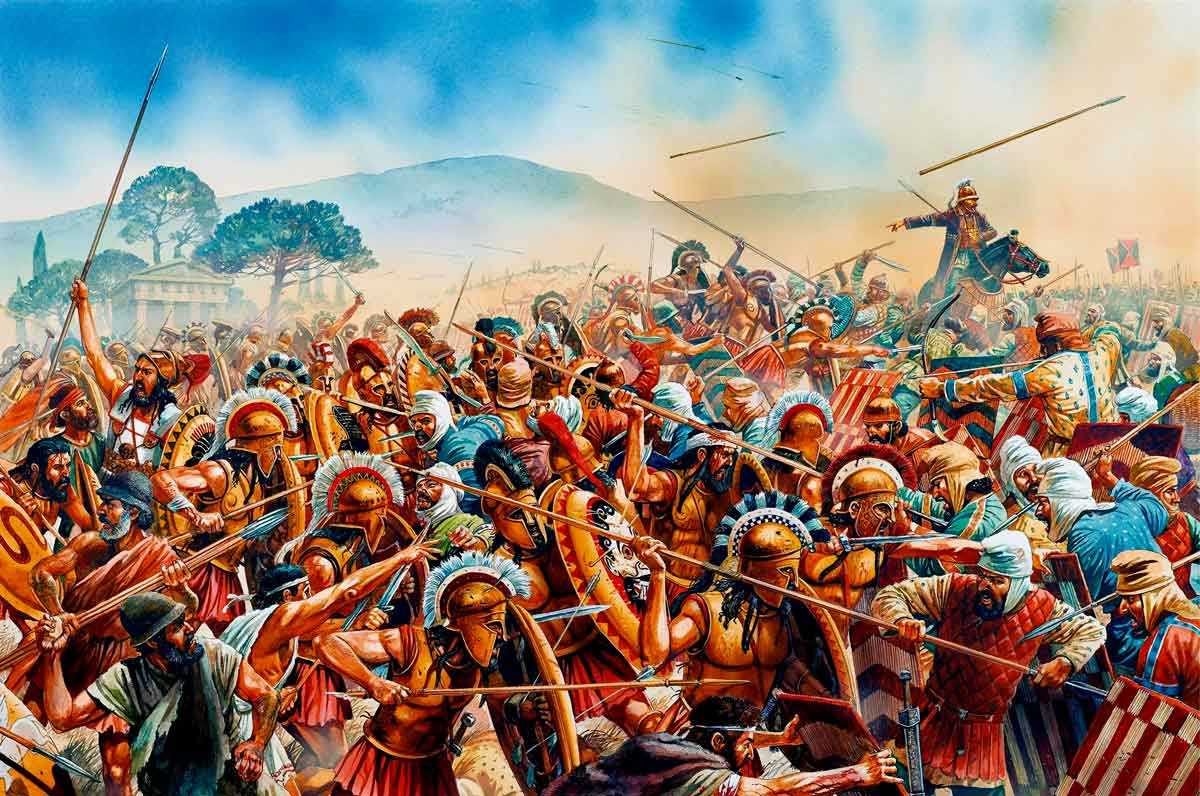
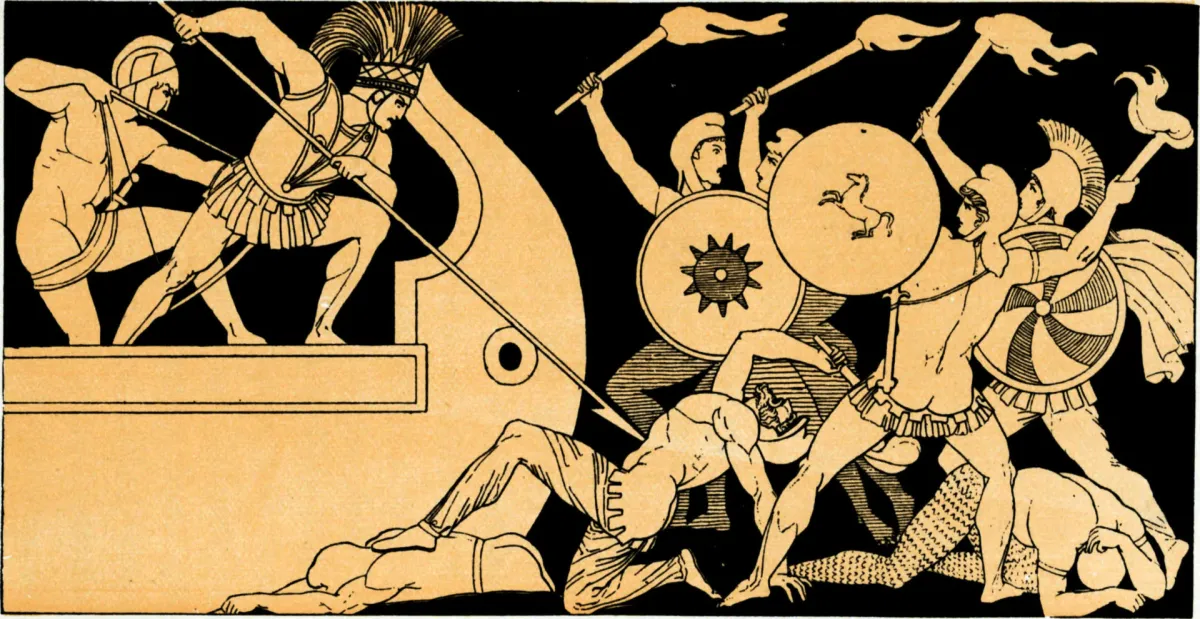
Achilles joined the Greek expedition against Troy.
He became the greatest warrior among the Greek forces.
His speed, strength, and skill made him terrifying in battle.
But Achilles was also extremely proud.
His relationship with the Greek commander Agamemnon became one of the central conflicts of the Iliad.
The Dispute With Agamemnon
Agamemnon took Achilles' captive woman Briseis.
Achilles considered this an enormous insult.
He withdrew from battle.
Without Achilles, the Greek army suffered heavily.
The conflict demonstrates one of the central themes of Greek heroic culture: honor and personal status could be valued as highly as victory itself.
The Death of Patroclus
Achilles' close companion Patroclus eventually entered battle wearing Achilles' armor.
The disguise initially frightened the Trojans.
But Patroclus was eventually killed by Hector.
Achilles was devastated.
His grief transformed his attitude toward the war.
He returned to battle seeking revenge.
Achilles and Hector
Achilles eventually confronted Hector, Troy's greatest warrior.
The duel became one of the most famous encounters in Greek mythology.
Achilles killed Hector and dishonored his body by dragging it behind his chariot.
Yet Homer's story ultimately shows Achilles' humanity.
King Priam, Hector's father, secretly entered the Greek camp and begged Achilles to return his son's body.
Achilles was moved by Priam's grief.
For a moment, the warrior and his enemy's father shared their sorrow.
The Choice of Achilles
Achilles knew that his life was destined to be short.
According to the mythological tradition, he could choose between:
a long, peaceful life without great fame;
or a short life accompanied by eternal glory.
He chose glory.
This choice became the defining feature of his character.
The Death of Achilles
Later traditions say Achilles was killed by Paris, sometimes with assistance from Apollo.
The famous version describes an arrow striking his vulnerable heel.
However, as mentioned earlier, the vulnerable heel story comes from later traditions rather than Homer's Iliad.
Conclusion
Achilles represents the heroic ideal taken to its extreme.
He is brave, powerful, and almost unstoppable in battle.
But he is also proud, emotional, and aware of his mortality.
His story reminds us that Greek heroes were not necessarily perfect people.
Their greatness often came together with enormous flaws.