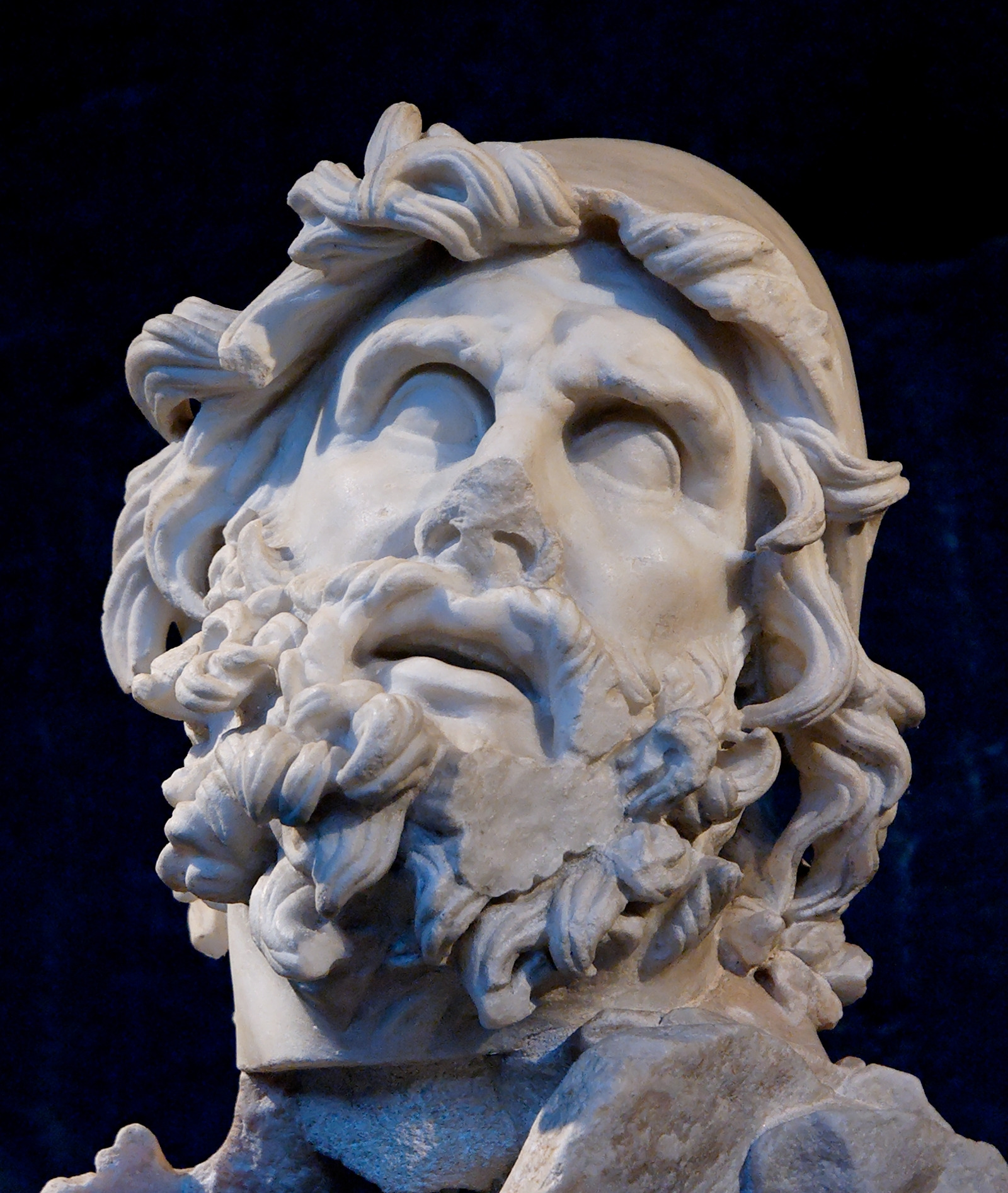
While Achilles represents physical excellence, Odysseus represents something different.
He is famous for intelligence, persuasion, adaptability, deception, and strategic thinking.
His greatest weapon was not a sword.
It was his mind.
King of Ithaca
Odysseus was the king of Ithaca, a small island kingdom.
He was married to Penelope and had a son named Telemachus.
When the Greeks prepared to fight Troy, Odysseus joined the expedition.
He became one of the Greek army's most important strategists.
The Trojan Horse
Later tradition credits Odysseus with conceiving the famous Trojan Horse.
The Greeks constructed a massive wooden horse and hid soldiers inside it.
The Trojans brought the horse into their city.
During the night, the Greek soldiers emerged and opened the gates.
The Greek army then entered Troy.
Although the Trojan Horse does not form the central narrative of Homer's Iliad, the story became an essential part of the broader Trojan War tradition.
The Odyssey
After Troy fell, Odysseus attempted to return home.
His journey became the subject of Homer's Odyssey.
Instead of taking a straightforward route, Odysseus experienced years of disasters and supernatural encounters.
The Cyclops
One of his most famous encounters was with Polyphemus, a Cyclops.
Polyphemus trapped Odysseus and his men inside his cave.
Odysseus developed a plan.
He told the Cyclops that his name was "Nobody."
Then he blinded Polyphemus.
When the Cyclops screamed for help, he shouted that "Nobody" was attacking him.
The other Cyclopes therefore ignored his cries.
Odysseus and his surviving companions escaped by hiding beneath sheep.
The Sirens
Odysseus later encountered the Sirens.
Their songs were said to be irresistible.
Odysseus wanted to hear them without dying.
He ordered his sailors to tie him to the ship's mast.
The crew blocked their ears while Odysseus listened to the song.
The episode demonstrates his willingness to experience danger while carefully controlling the circumstances.
Circe and Calypso
Odysseus also encountered the sorceress Circe, who transformed his companions into animals.
He eventually became her guest.
Later, the nymph Calypso kept him on her island.
Despite comfort and immortality being offered in some versions of the story, Odysseus wanted to return to Ithaca.
Returning Home
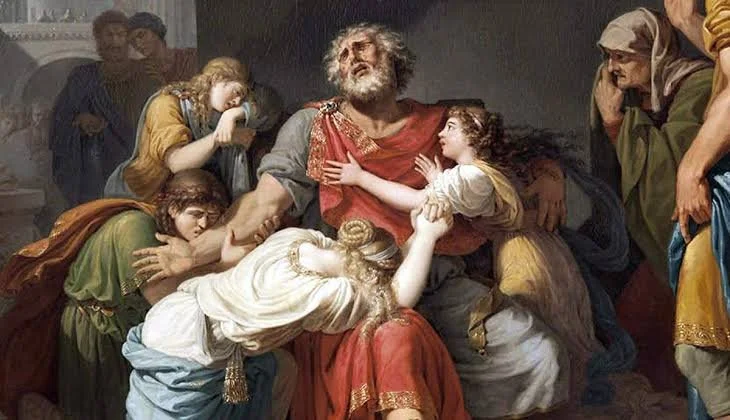
After years of wandering, Odysseus finally returned to Ithaca.
His wife Penelope had been surrounded by suitors who believed he was dead.
Odysseus disguised himself and secretly entered his palace.
He eventually revealed his identity and defeated the suitors.
Conclusion
Odysseus represents a different kind of hero.
He wins through planning rather than overwhelming strength.
His greatest qualities are intelligence, patience, adaptability, and persuasive ability.
But his cleverness can also become arrogance.
His story therefore presents intelligence as both a powerful advantage and a potential source of danger.