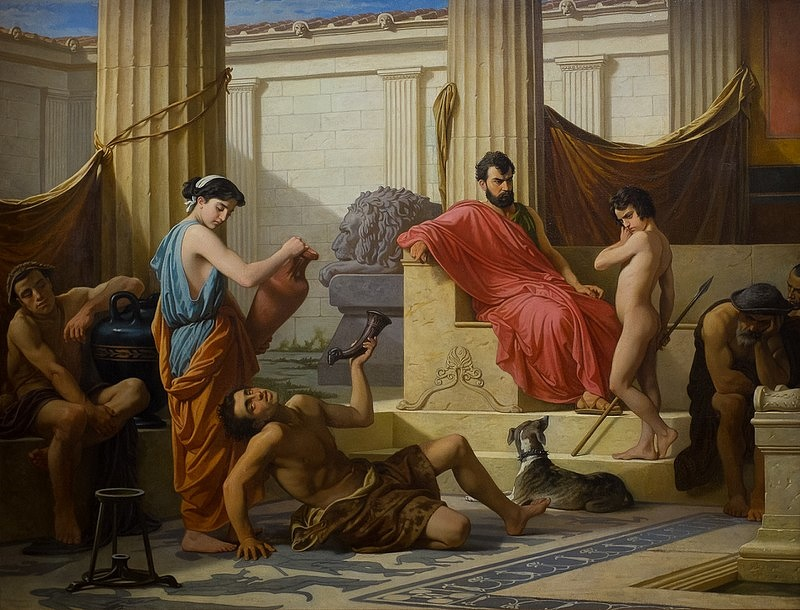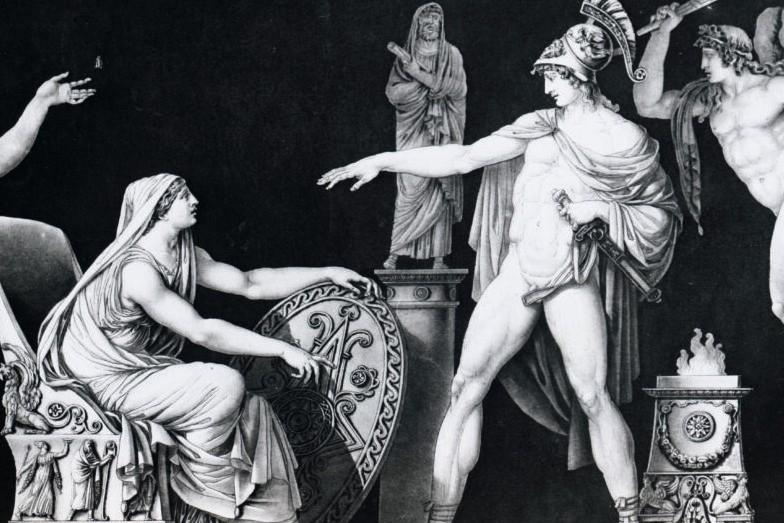
Education in ancient Greece was about far more than learning to read and write.
For many communities, education was a way of preparing young people for their expected role in society.
A boy's education could determine whether he became a responsible citizen, soldier, athlete, craftsman, or intellectual.
The exact system varied from city to city, but several traditions became particularly influential.
Early Childhood
Young children were primarily raised within the household.
Basic habits, religious traditions, social expectations, and family values were learned from parents and other household members.
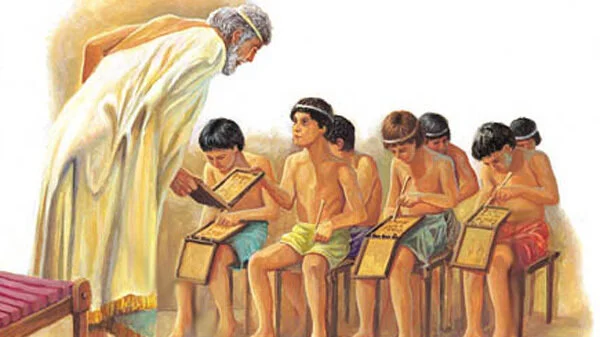
As boys grew older, formal education could begin.
Reading and Writing
In places such as Athens, boys could learn literacy, grammar, poetry, and music.
Reading was particularly important because Greek culture placed enormous value on poetry.
Students might study works attributed to Homer and other poets.
Memorizing poetry was not simply an academic exercise.
Literature contained stories about heroes, gods, warfare, morality, leadership, and social behavior.
Music
Music formed another major component of education.
Young Greeks learned instruments such as the lyre.
Music was associated with discipline, harmony, and character formation.
The ability to perform music could also be an important marker of education among elite families.
Physical Training
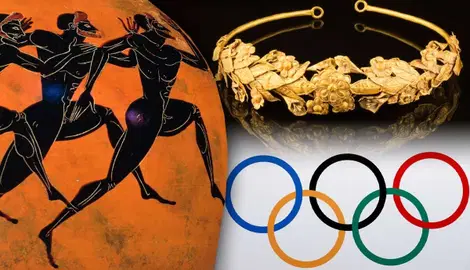
Athletic training was equally important.
Boys participated in activities such as:
running;
wrestling;
boxing;
discus throwing;
javelin throwing;
and other athletic exercises.
Physical fitness was especially important in communities where military service was expected.
The Spartan Agoge
Sparta developed the most famous educational system in ancient Greece.
The agoge trained boys for the demands of Spartan society.
Training emphasized discipline, endurance, obedience, physical fitness, and military preparation.
Boys lived under demanding conditions and were expected to develop toughness.
The system was designed around Sparta's military culture.
Athens and Intellectual Education
Athens eventually became famous for advanced intellectual education.
Older students could study rhetoric, philosophy, mathematics, politics, and other subjects.
Teachers such as philosophers and sophists attracted students interested in developing their ability to reason and speak.
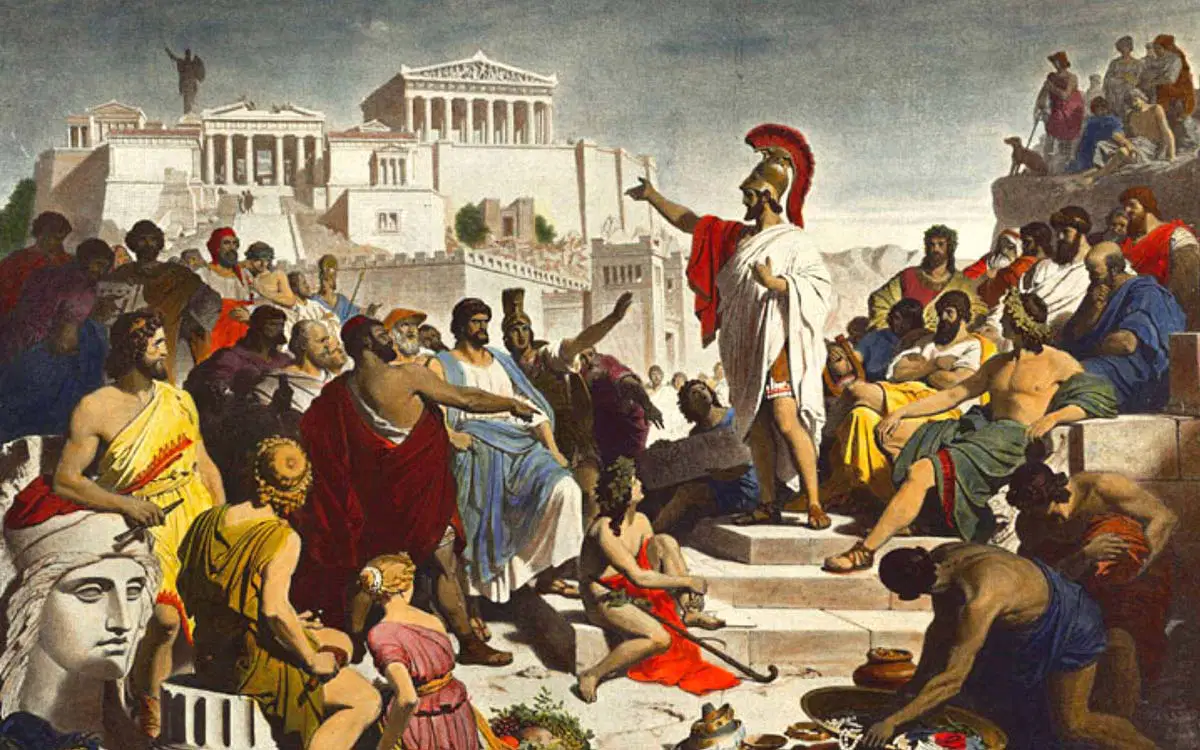
Public speaking was especially valuable in democratic Athens because political participation required citizens to argue, debate, and persuade.
Education and Social Class
Education was not equally available to everyone.
Wealthy families could afford tutors and extended education.
Poorer families often needed children to begin working earlier.
Education therefore reflected social inequality.
Preparing for Adulthood
Greek education was ultimately about becoming an adult member of society.
A young man was expected to develop the physical abilities, knowledge, discipline, and social behavior necessary for his future role.
Education was therefore closely connected with citizenship.
Conclusion
Ancient Greek education was a combination of intellectual, physical, artistic, and moral training.
The exact balance differed dramatically between Athens, Sparta, and other communities.
Yet the basic goal was similar: prepare the next generation for the society it was expected to inherit.
Greek education helped create warriors, citizens, athletes, philosophers, and political leaders—and its influence would continue long after the ancient world disappeared.