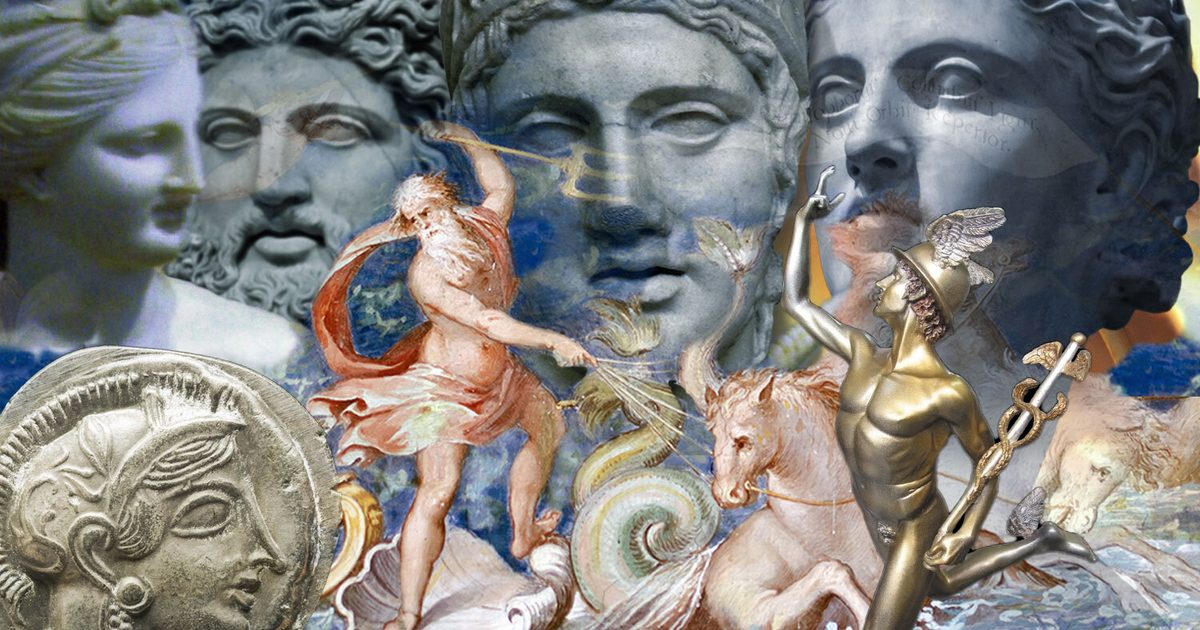
When people hear "ancient Greek religion," they often immediately think of Zeus, Athena, Poseidon, Hades, and the stories of Mount Olympus.
But ancient Greek religion was much more than mythology.
It was a system of rituals, sacrifices, festivals, sacred places, prayers, traditions, and relationships between humans and the divine.
Gods and Goddesses
Greek religion involved numerous deities.
The Olympian gods were among the most prominent, but local gods, heroes, spirits, and divine figures were also worshipped.
A community might have a particularly important local deity whose importance did not necessarily extend across the entire Greek world.
Ritual Was Essential
Ancient Greek religion was heavily focused on practice.
People prayed, made offerings, sacrificed animals, dedicated objects, visited sanctuaries, and participated in festivals.
Religious life was therefore something people did rather than simply something they believed.
Animal Sacrifice
Animal sacrifice was one of the best-known religious practices.
Animals such as cattle, sheep, goats, and pigs could be sacrificed during ceremonies.
The ritual could involve prayers, processions, offerings, and communal feasting.
The meat was often distributed among participants.
Religion and community life were therefore closely connected.
Temples
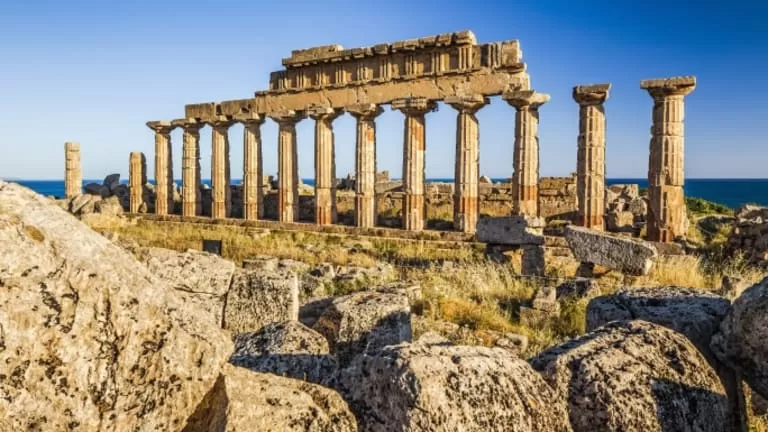
Greek temples were sacred buildings associated with particular deities.
The famous Parthenon, for example, was dedicated to Athena.
However, the temple was not simply a place where ordinary worshippers gathered every week in the modern sense.
The surrounding sanctuary and outdoor ritual spaces were also important.
Oracles
Greeks sometimes sought divine guidance through oracles.
The most famous was Delphi, where Apollo was believed to communicate through the Pythia.
Individuals and states could seek answers concerning war, politics, travel, colonization, and other major decisions.
Festivals
Religious festivals were major public events.
They could include athletic competitions, theatrical performances, processions, sacrifices, music, and feasting.
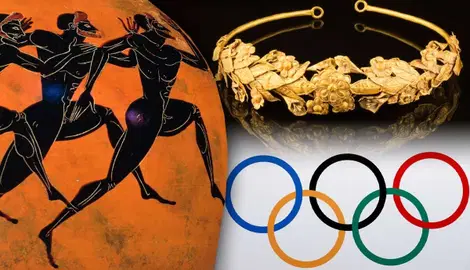
The Panathenaic Festival in Athens honored Athena, while the Olympic Games were associated with the worship of Zeus at Olympia.
Religion and Politics
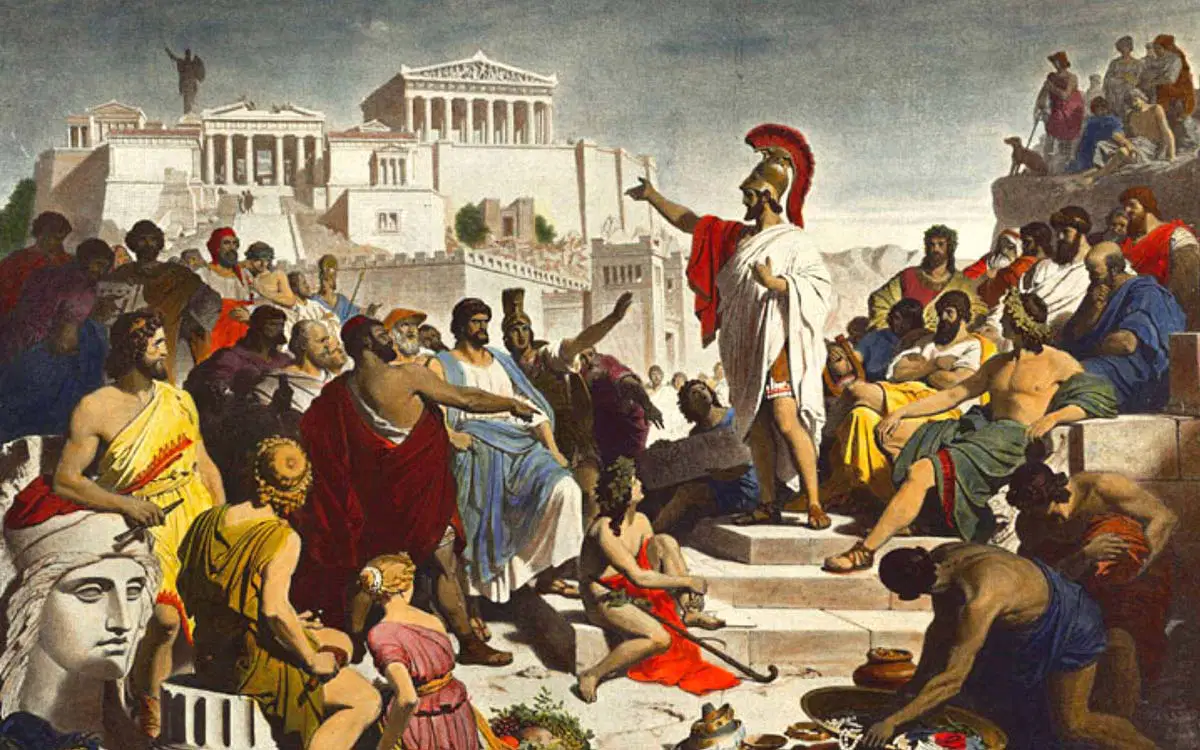
Religion and politics were deeply intertwined.
City-states sponsored temples, festivals, and religious ceremonies.
Political leaders participated in rituals.
Military campaigns could involve sacrifices and consultation of divine signs.
Religion therefore helped reinforce community identity.
Death and the Afterlife
Greeks had varied beliefs about death.
The underworld was generally associated with Hades, but ancient ideas about the afterlife were not uniform.
Different traditions described different possibilities, including the Elysian fields and regions of punishment.
Funeral rituals were considered extremely important.
Conclusion
Ancient Greek religion cannot be reduced to a collection of colorful myths.
Myths were part of a much larger religious world involving rituals, sacred landscapes, political institutions, family traditions, and community celebrations.
For ordinary Greeks, religion was woven into everyday existence.
It influenced how people understood nature, illness, war, family, death, and their relationship with the gods.