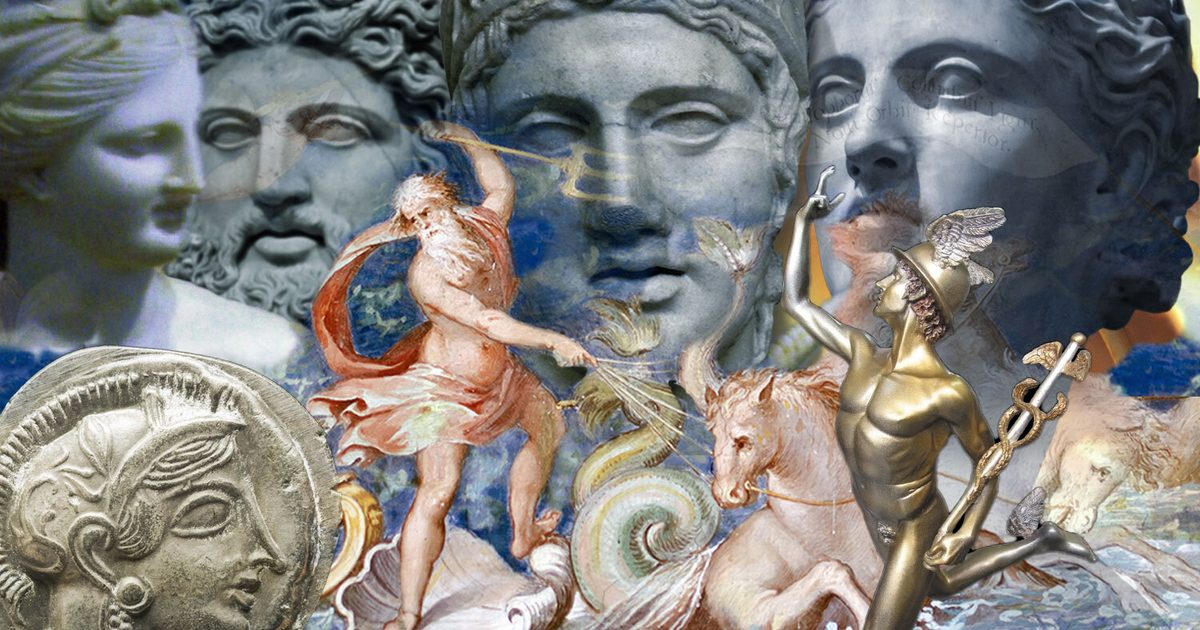
Ancient Greek mythology is filled with powerful women.
Athena is a goddess of wisdom and warfare. Artemis is a formidable huntress. Hera commands respect as queen of the gods. Medea, Helen, Clytemnestra, and Antigone appear in some of the most memorable stories of Greek literature.
But mythology should not be mistaken for an accurate picture of everyday women's lives.
The reality was considerably more complicated.
Women in Different Greek Communities
There was no single Greek experience.
A woman living in classical Athens could have a very different life from a woman in Sparta, Crete, or another Greek community.
This is particularly important because modern discussions often treat "Greek women" as though they belonged to one uniform society.
They did not.
Athenian Women
In classical Athens, respectable citizen women were generally expected to focus heavily on the household.
Marriage was an important institution, and women were responsible for many domestic responsibilities, including managing household activities, producing textiles, and raising children.
Women generally had limited formal political rights.
They did not participate in the Assembly in the same way male citizens did.
Yet this does not mean Athenian women were completely powerless.
Household management was economically important, and wealthy women could control property under certain circumstances.
Women also participated in religious ceremonies and festivals, sometimes holding important religious roles.
Spartan Women
Spartan women were different.
Spartan society emphasized military readiness, and women were expected to contribute to the strength of the community in different ways.
They received physical training and could participate in athletic activities.
Spartan women could also possess and manage property to a greater degree than women in classical Athens.
This gave them an unusual economic position within the Greek world.
Ancient writers sometimes portrayed Spartan women as exceptionally outspoken.
Whether every story is accurate is another question, because many surviving descriptions were written by outsiders who were fascinated by Sparta's unusual customs.
Marriage
Marriage was primarily a family and social institution.
For many women, marriage involved leaving the household of their birth and becoming part of their husband's household.
Children were extremely important because they continued the family line.
Marriage could therefore involve economic and political considerations, particularly among wealthy families.
Religion
Religion created opportunities for women to occupy public roles.
Women participated in festivals, rituals, funerals, and religious ceremonies.
Priestesses could hold respected positions.
Some religious offices were prestigious and could provide women with forms of public authority unavailable in other areas of life.
Mythology Versus Reality
The powerful women of Greek mythology do not necessarily represent the social position of ordinary Greek women.
Athena's independence cannot be used as evidence that Athenian women enjoyed political equality.
Similarly, stories about Amazon warriors reflect Greek ideas about gender, outsiders, and social order rather than straightforward historical descriptions.
Greek mythology frequently explored fears and expectations surrounding women.
Conclusion
Women in ancient Greece lived within strongly patriarchal societies, but their experiences were not identical.
Their lives differed according to city, wealth, family position, occupation, and historical period.
Women were excluded from many formal political institutions, particularly in Athens, but they played essential roles in families, economies, religion, and communities.
The reality therefore lies somewhere between two extremes.
Ancient Greek women were neither completely powerless nor socially equal to men.
Their history is much more complicated—and much more interesting—than mythology alone suggests.