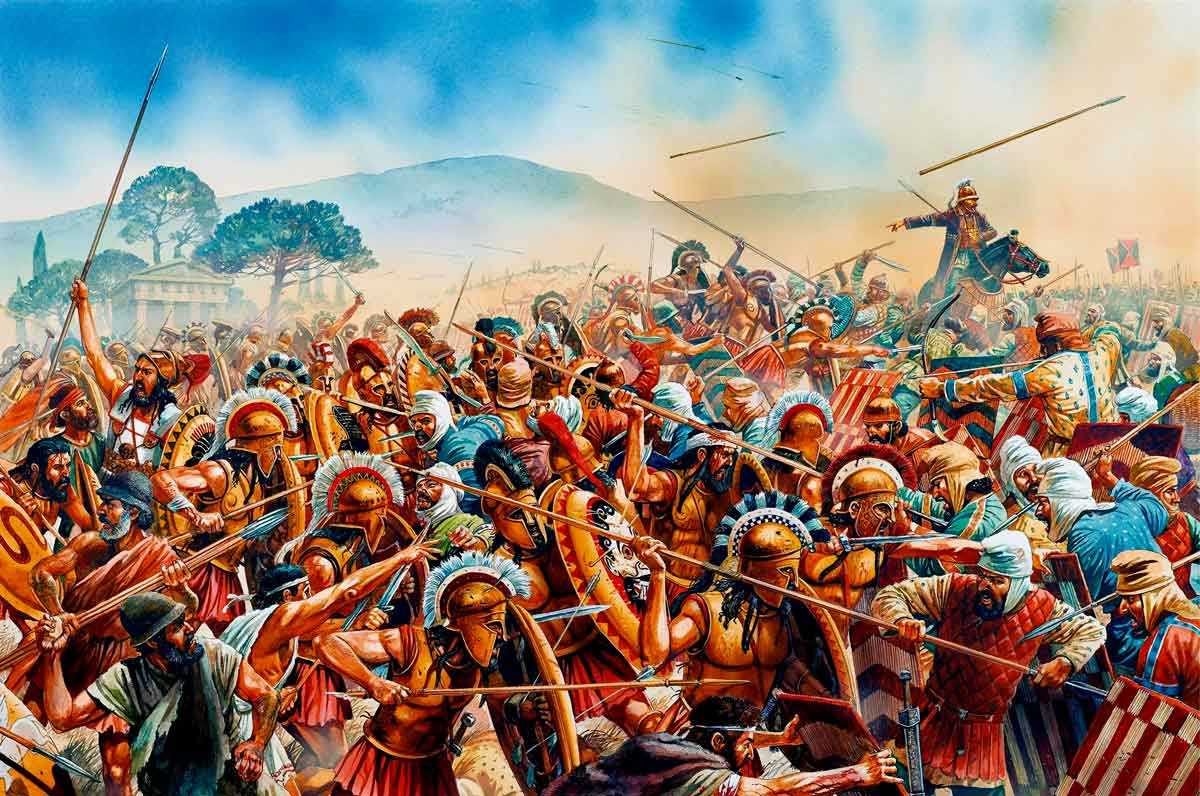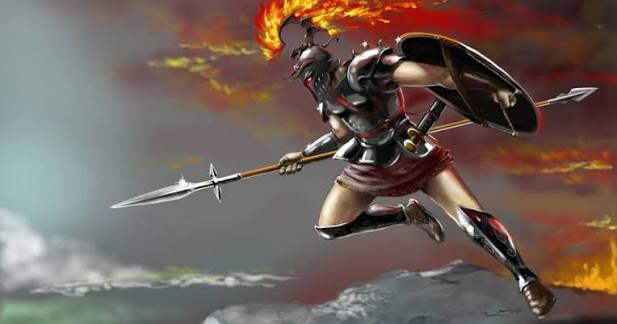
Ares was the Greek god most directly associated with the violent and destructive aspects of warfare.
He represented bloodshed, rage, chaos, and the physical brutality of battle.
Yet Ares was not necessarily the most respected war deity in Greek religion.
Athena also represented warfare, but she embodied strategy, discipline, and intelligent planning.
The contrast between Ares and Athena reveals that the Greeks understood warfare as more than one thing.
Son of Zeus and Hera
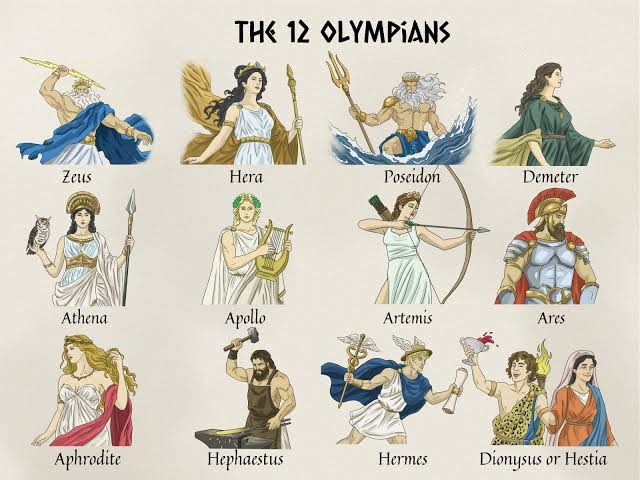
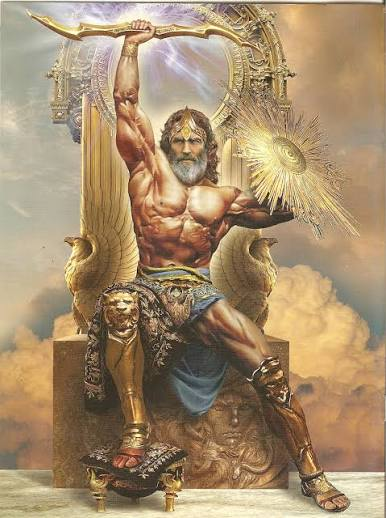
Ares was traditionally the son of Zeus and Hera.
He belonged to the Olympian generation.
However, mythology often portrays him as impulsive and aggressive.
Even his fellow gods sometimes regarded him with suspicion.
Ares and the Battlefield
Ares represented the experience of violent combat.
His mythology emphasizes:
bloodshed;
rage;
courage;
panic;
physical violence;
destruction.
He was not simply the god who "liked war."
He represented what war could become when discipline disappeared.
Ares and Athena
The relationship between Ares and Athena is especially significant.
Both were connected to warfare, but their approaches differed.
Athena represented tactical intelligence and organized military strategy.
Ares represented uncontrolled aggression and violence.
This distinction allowed Greek mythology to explore two different sides of combat.
Ares and Aphrodite
Ares had a famous affair with Aphrodite.
Their relationship produced several mythological children.
The pairing of love and war became one of the most memorable relationships among the Olympian gods.
The Trap of Hephaestus
In one famous story, Hephaestus discovers Aphrodite and Ares together.
He creates an invisible metal net and traps them.
The other gods are invited to witness the embarrassing scene.
The story shows that even powerful gods could become victims of jealousy, desire, and humiliation.
Ares in the Trojan War
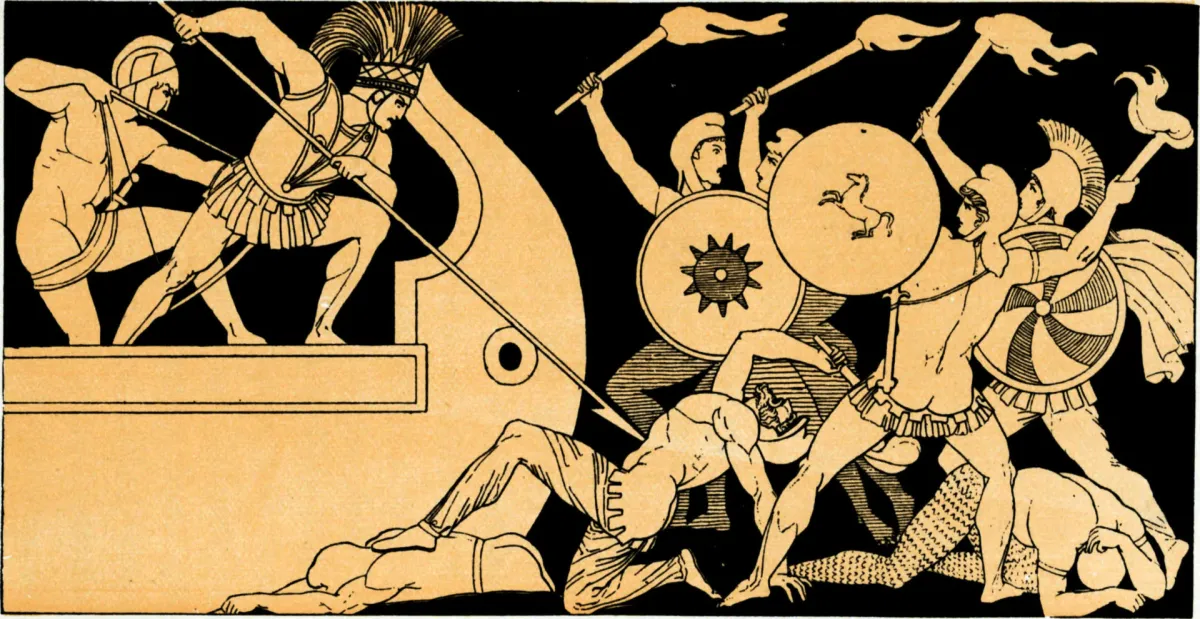
Ares participates in the Trojan War.
He supports the Trojans in many versions.
However, he is not portrayed as unstoppable.
Athena defeats or outmaneuvers him in several mythological episodes.
This reinforces the idea that brute force does not always overcome strategy.
Ares and the Greeks
Ares had a complicated relationship with Greek communities.
Sparta, famous for its military culture, honored him, but Athena remained important to Greek warfare more broadly.
The Romans later identified Ares with Mars, who became one of the most important gods of Roman state religion.
Ares and the Areopagus
A famous Athenian tradition connects Ares with the Areopagus.
According to myth, Ares was tried there after killing a son of Poseidon.
The story connected the divine figure of Ares with an important Athenian legal institution.
Conclusion
Ares represented warfare at its most violent.
His mythology does not necessarily celebrate violence.
Instead, his stories often reveal its destructive nature.
Placed beside Athena, he demonstrates the Greek distinction between uncontrolled aggression and strategic warfare.
Ares therefore became an important reminder that war involved not only planning and heroism but also fear, bloodshed, anger, and destruction.